How to Prune Narrowleaf bedstraw?
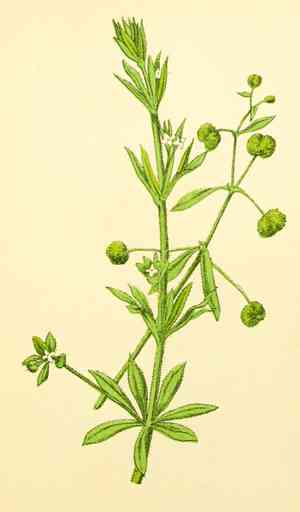
Recognized for its delicate foliage and tiny white blossoms, narrowleaf bedstraw thrives with trimming from late winter to early spring. This period coincides with the plant's developmental phase, fostering robust new shoots and averting excessive density. Concentrate on excising lifeless or ailing stalks and shortening any sprawling sections to preserve a neat look. Consistent trimming enhances air movement around the leaves, diminishing the likelihood of fungal infections. Always employ sharp, sanitized implements for accurate incisions.
What Are the Benefits of Pruning Narrowleaf Bedstraw?
What Are the Benefits of Pruning Narrowleaf Bedstraw?
Trimming narrowleaf bedstraw encourages robust development and helps keep its form. By eliminating dead or overgrown stems, the plant directs energy into producing healthy new shoots, improving its look and durability.
What Is the Best Time for Pruning Narrowleaf Bedstraw?
What Is the Best Time for Pruning Narrowleaf Bedstraw?
Pruning narrowleaf bedstraw in early spring or late winter is ideal due to its growth cycle. As narrowleaf bedstraw prepares for the growing season, trimming during these periods promotes vigorous growth and aids in maintaining the plant's health. Additionally, pruning before new growth begins ensures minimal impact on its flowering, allowing for a full display of blooms.
What Tools Do I Need to Prune Narrowleaf Bedstraw?
Bypass Pruners
These are perfect for narrowleaf bedstraw as they deliver clean cuts without crushing stems, which is crucial for its delicate growth.
Precision Pruners
Utilize for detailed trimming and shaping, especially for deadheading or removing small, fragile growths.
Pruning Shears
Excellent for cutting through thicker stems if narrowleaf bedstraw grows in a denser cluster, ensuring quick and neat cuts.
Hand Pruners
Useful for general upkeep pruning, allowing greater control and accuracy.
Hedge Shears
If narrowleaf bedstraw is growing as a ground cover, these are beneficial for cutting back larger sections uniformly and effectively.
How to Prune Narrowleaf Bedstraw
Identify
Carefully inspect narrowleaf bedstraw to locate any diseased or withered leaves. These areas typically appear discolored, limp, or damaged.
Prep tools
Sanitize your pruning shears or scissors with rubbing alcohol to prevent the spread of disease during the trimming process.
Remove diseased leaves
Cut off diseased leaves at their base, close to the main stem, ensuring you do not harm any healthy parts. Dispose of these leaves properly to prevent contamination.
Remove withered leaves
Gently prune away any withered leaves, making clean cuts near the stem. Avoid tearing or damaging other parts of narrowleaf bedstrawâs foliage.
Dispose
Collect all pruned leaves and dispose of them in a way that ensures they do not come into contact with healthy plants, reducing the risk of disease spread.
Common Pruning Mistakes with Narrowleaf Bedstraw
Over-pruning
Removing too much foliage can stress narrowleaf bedstraw, reducing its ability to photosynthesize and hindering growth.
Incorrect cutting technique
Making jagged or uneven cuts can damage plant tissue, increasing the risk of disease and poor regrowth.
Pruning at the wrong nodes
Cutting too high above a node or too close can impede new growth or cause dieback, affecting the plant's overall health.
Ignoring dead or diseased parts
Failing to remove dead, dying, or diseased parts can allow the problem to spread, compromising the plant's vitality.
Using dull or dirty tools
Using blunt or unclean pruning tools can cause ragged cuts and introduce pathogens that harm narrowleaf bedstraw.
Common Pruning Tips for Narrowleaf Bedstraw
Use sharp, clean tools
Always use sharp and sterilized pruning shears or scissors to make clean cuts and reduce the risk of infection.
Target dead or damaged stems
First, remove any dead, damaged, or diseased stems to maintain the plantâs health and encourage better growth.
Prune back to a healthy node
Make cuts just above a healthy node or set of leaves to encourage new, vigorous growth from that point.
Thin out crowded areas
Remove some of the older and weaker stems in crowded areas to improve air circulation and light penetration, which helps reduce disease risk.
Maintain a natural shape
Follow the natural growth habit of narrowleaf bedstraw when pruning to maintain its aesthetic appeal and avoid stressing the plant.



