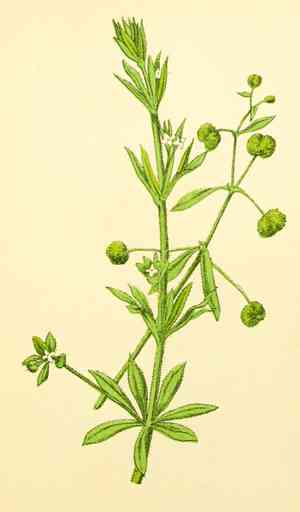
Narrowleaf bedstraw (Galium angustifolium)
Also known as: Onyx peak bedstraw, Slender bedstraw, Narrow-leaved bedstraw
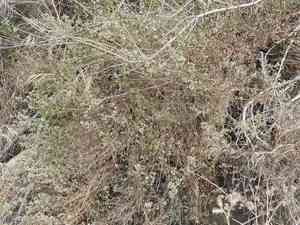
Galium angustifolium is a perennial herb or small shrub with a sturdy, woody base. It features sprawling stems that can range from just a few centimeters to almost a meter long. The leaves are organized in whorls of four around the stem, and branching often occurs at these leaf whorls.
In This Article
Attributes of Narrowleaf bedstraw
Lifespan
Perennial
Plant Type
Herb
Plant Height
Up to 50 cm
Spread
Typically not applicable for herbaceous plants
Leaf Color
Green
Flower Size
Approximately 0.3 cm
Flower Color
White
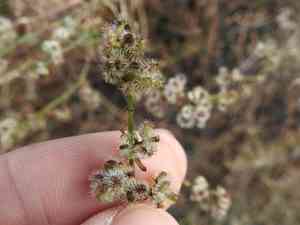
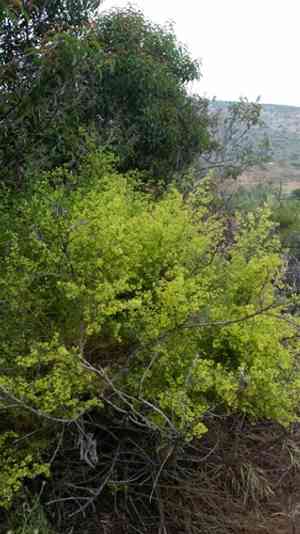
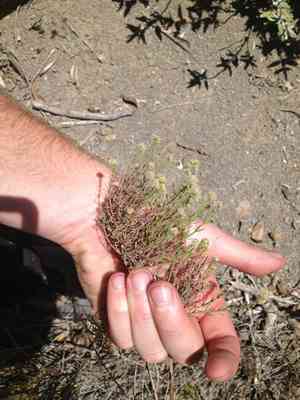
Images of Narrowleaf bedstraw
Quickly Identify Narrowleaf bedstraw
1
Galium angustifolium can be identified by its narrow leaves arranged in whorls and clusters of small, white flowers that bloom during the summer.
Scientific Classification of Narrowleaf bedstraw
Phylum
Vascular plants
Class
Dicotyledons
Order
Gentianales
Family
Madder
Genus
Bedstraws
Species
Narrowleaf bedstraw
Planting and Growing of Narrowleaf bedstraw
Care Difficulty
Easy
Watering Schedule
Every 4 days
Sunlight Requirements
Full sun
Sunshine Duration
6-10 hours
Ideal Temperature
60-75℉
Soil Type
Potting Mix, Peat Mix
Soil pH
6.5-7.5
Fertilizer Type
Balanced
Pruning Season
Spring, Summer
Pruning Area
Branches, Leaves
Pruning Frequency
2 times a year
Repotting Season
Spring
Pot Type
Plastic, Ceramic
 How to Water Narrowleaf bedstraw?
Galium angustifolium thrives with a watering approach guided by the principle of deep but infrequent watering. Ensure the soil is moist but never waterlogged by allowing approximately 150 ml of water per session. Water until the top couple of inches of soil feel sufficiently moist.
What are the symptoms of an underwatered Narrowleaf bedstraw?
›
What should I do if my Narrowleaf bedstraw is not getting enough water?
›
What are the symptoms of an overwatered Narrowleaf bedstraw?
›
How to save an overwatered Narrowleaf bedstraw?
›
 What Are the Sunlight Requirements for Narrowleaf bedstraw?
Galium angustifolium thrives between full sun and partial sun, benefiting from at least 6 to 8 hours of light daily. Ideal lighting supports its photosynthetic processes, enhancing its growth, flowering potential, and resistance to environmental stressors associated with light deficiencies.
What is the best lighting condition for Galium angustifolium?
›
How can you achieve optimal sunlight for Galium angustifolium?
›
What are the benefits of ideal lighting for Galium angustifolium?
›
 What Is the Ideal Temperature Range for Narrowleaf bedstraw?
For optimal growth, Galium angustifolium thrives in a temperature range between 60°F and 75°F. At these temperatures, the plant can effectively undergo photosynthesis and maintain metabolic processes, which are crucial for healthy growth and development. Maintaining this temperature range ensures that the plant experiences minimal stress and is able to achieve its full growth potential.
 What Soil is Best for Narrowleaf bedstraw?
Galium angustifolium thrives in well-draining soils that allow water to filter away quickly to prevent root rot. This type of soil helps the plant maintain healthy roots by avoiding waterlogged conditions, which can lead to fungal diseases. This plant benefits from soils rich in organic matter. Loamy soils with a balanced supply of nutrients ensure robust growth and vibrant foliage, helping the plant sustain its natural health without excessive fertilization. Galium angustifolium is well-suited to soils with a slightly alkaline pH, favoring a pH range between 6.5 and 7.5. This pH range fosters optimal nutrient absorption and microbial activity, essential for the plant's growth.
 How to Fertilize Narrowleaf bedstraw?
For Galium angustifolium, it's crucial to follow a balanced approach when it comes to fertilizers. When using liquid fertilizers, a dilution rate of 1/4 strength from the recommended dosage is advisable. This ensures that the plant receives adequate nutrients without the risk of over-fertilization, which can be detrimental.
 How to Prune Narrowleaf bedstraw?
Begin by assessing the overall shape and condition of your Galium angustifolium. Identify any dead, damaged, or diseased stems that need to be removed to improve airflow and encourage healthy growth. Use sharp pruning shears to make clean cuts just above a leaf node. Focus on removing one-third of the plant's growth to maintain its natural structure while allowing light to penetrate the inner foliage. After pruning, clean up any debris around the base of the plant to prevent potential disease. This is also an excellent time to inspect the plant for signs of pests or nutrient deficiencies.
More About Pruning Techniques→
 How to Propagate Narrowleaf bedstraw plant?
1
Before sowing, Galium angustifolium seeds should be stratified, which means exposing them to cold temperatures to mimic winter conditions. This process enhances germination rates. Place seeds in a moist medium and refrigerate for 3-4 weeks.
2
Once stratification is complete, sow the seeds in a tray filled with a light potting mix. Cover the seeds lightly with soil, and keep the tray in a warm location with indirect sun. Mist the soil regularly to keep it moist but not waterlogged.
3
Select a healthy, non-flowering stem for cuttings. Cut a 4-6 inch piece just below a node. Strip the lower leaves and dip the cut end into rooting hormone to enhance root growth. Plant the cutting in a pot filled with moist substrate.
 How to Repot Narrowleaf bedstraw plant?
1
Galium angustifolium shows signs of needing repotting when its roots start emerging through the drainage holes. Another signal is when water runs straight through the pot without soaking the soil, indicating root tangling. Repot in early spring or autumn for best results, when the plant's growth is most active.
2
Opt for a pot slightly larger than the current one. Ensure it has ample drainage holes. A larger pot prevents root bound issues but overly large pots can lead to waterlogging. The right size pot promotes healthy root growth and better moisture retention and aeration.
3
Use loamy, well-drained soil to facilitate proper drainage and aeration, crucial for Galium angustifolium’s health. The soil should retain some moisture but still dry out between waterings, preventing root rot and encouraging resilient, vigorous growth.



