How to Prune Downy milkpea?
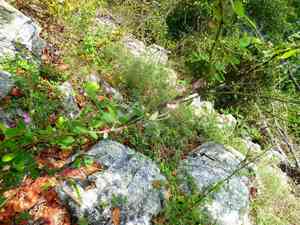
This enduring climbing plant is recognized for its fine, velvety leaves and tiny, pea-shaped blossoms. Appropriate trimming for downy milkpea entails shortening elongated stalks and spent blooms to foster robust development and a neat look. The ideal periods for pruning are during spring and summer when downy milkpea is vigorously expanding. Trimming at these times stimulates branching, resulting in a denser specimen. Refrain from severe cutting to avert plant stress. Pruning additionally assists in averting ailments by enhancing air movement among the leaves.
What Are the Benefits of Pruning Downy Milkpea?
What Are the Benefits of Pruning Downy Milkpea?
Trimming downy milkpea promotes more vigorous development by reallocating energy to fresh growth and assists in maintaining its desired form, fostering a tidy look.
What Is the Best Time for Pruning Downy Milkpea?
What Is the Best Time for Pruning Downy Milkpea?
Pruning in Late Spring aligns with downy milkpea's post-dormancy energy surge, enabling rapid recovery and new growth. Early Summer trimming is advantageous as it helps shape the plant during active growth, encouraging a denser appearance and removing any weak or damaged growth from spring rains and winds. This timing avoids disrupting the late summer and fall flowering period, ensuring downy milkpea's capacity to attract pollinators and produce seeds for reproduction, crucial aspects of its life cycle.
What Tools Do I Need to Prune Downy Milkpea?
Bypass Pruners
Perfect for making precise cuts on downy milkpea, bypass pruners will inflict minimal harm to the stems, which is essential for preserving the vitality of downy milkpea.
Gardening Gloves
Protecting hands while trimming downy milkpea is important due to its fuzzy texture, and gardening gloves will offer the necessary protection.
Pruning Saw
For older or woodier sections of downy milkpea that might be too thick for pruners, a pruning saw is the appropriate implement for making clean cuts without harming the plant.
Loppers
When dealing with thicker, out-of-reach stems, long-handled loppers will provide the extra leverage needed for pruning downy milkpea without straining the gardener.
How to Prune Downy Milkpea
Disinfect tools
Before trimming downy milkpea, clean and sanitize all pruning implements to prevent disease spread. Use a solution of one part bleach to nine parts water or rubbing alcohol to wipe down blades.
Remove diseased leaves
Inspect downy milkpea for diseased foliage. Carefully snip off any leaves showing signs of illness, cutting at the base of the leaf stem to avoid damaging healthy tissue.
Prune withered leaves
Identify withered or dead leaves on downy milkpea. Use pruning shears to trim these leaves at their junction with the stem. Make clean cuts to promote quick healing.
Cut diseased stems
Locate any diseased stems on downy milkpea. Cut the stem back to healthy tissue, ensuring the cut is just above a leaf node or bud to encourage new growth. If the entire stem is affected, remove it at the base.
Cleanup
After pruning downy milkpea, tidy the area around the plant. Properly dispose of all diseased and withered plant material to prevent reinfection or pest infestation.
Common Pruning Mistakes with Downy Milkpea
Overpruning
Removing excessive foliage can stress downy milkpea, leading to poor growth and reduced flowering potential.
Underestimating regrowth
Failing to account for the plant's rapid regrowth can result in less frequent pruning than is ideal for downy milkpea, impacting its shape and size management.
Improper tool use
Using dull or dirty pruning tools can harm the stems of downy milkpea, creating entry points for disease.
Inadequate sterilization
Not sterilizing pruning tools between uses can spread diseases to and from downy milkpea.
Neglecting deadheading
Forgetting to remove spent flowers can prevent downy milkpea from producing new blooms and can drain energy from the plant.
Ignoring plant structure
Cutting without understanding the natural form of downy milkpea can lead to an unattractive appearance and potentially harm the plant's health.
Common Pruning Tips for Downy Milkpea
Selective thinning
Target overcrowded areas to thin out downy milkpea for improved air circulation and light penetration, which are crucial for plant health.
Sharp tools
Always use sharp, clean pruning shears for a clean cut that will heal quickly and minimize damage.
Cut at node
Make pruning cuts just above a leaf node to encourage new growth in downy milkpea.
Tool sterilization
Sterilize pruning tools before and after use to prevent the spread of disease in downy milkpea.
Regular deadheading
Deadhead spent blooms regularly to encourage more flowering in downy milkpea.
Watch for new growth
Monitor new growth after pruning to ensure that downy milkpea is responding well and adjust practices as necessary.



