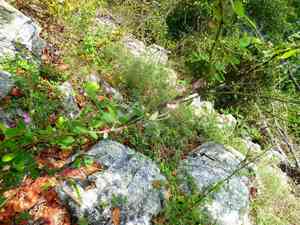
Downy milkpea (Galactia regularis)
Also known as: Florida milkpea
Clematis is a perennial flowering plant known for its vibrant blooms in various colors. The stems are climbing and often have a hairy texture. This plant is native to the Northern Hemisphere, particularly thriving in Asia, Europe, and North America. It requires minimal maintenance and grows well in well-drained soil with full sun to partial shade.
In This Article
Attributes of Downy milkpea
Lifespan
Perennial, Annual
Plant Type
Herb, Vine
Plant Height
10 cm to 15 cm
Spread
60 cm to 1.5 m
Leaf Color
Green
Flower Size
2.5 cm
Flower Color
Pink Purple
Images of Downy milkpea
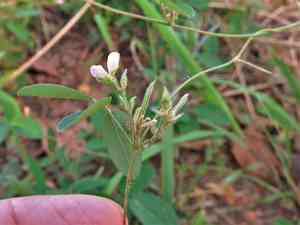
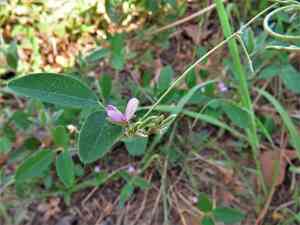

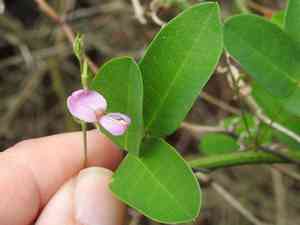
Quickly Identify Downy milkpea
1
Slender green stems up to 4 feet (1.2 meters), climbing or sprawling.
2
Compound trifoliolate leaves with 1-1.5 inch (2.5-3.8 cm) elliptical leaflets.
3
Petite pea-like flowers in clusters, pastel pink to purplish, papilionaceous arrangement.
4
Smooth, somewhat glossy leaflets with entire edges, pinnate vein patterns.
5
Delicate, flexible stems, green to light brown, 0.1-0.2 inches (2.5-5 mm) thick.
Scientific Classification of Downy milkpea
Phylum
Vascular plants
Class
Dicotyledons
Order
Fabales
Family
Legume
Genus
Milk pea
Species
Downy milkpea
Planting and Growing of Downy milkpea
Care Difficulty
Easy
Watering Schedule
Every 3 days
Sunlight Requirements
Full sun
Sunshine Duration
6-10 hours
Ideal Temperature
68-77℉
Soil Type
Potting Mix, Peat Mix
Soil pH
6.5-7.5
Fertilizer Type
Balanced
Pruning Season
Spring, Summer
Pruning Area
Branches, Leaves
Pruning Frequency
2 times a year
Repotting Season
Spring
Pot Type
Plastic, Ceramic
 How to Water Downy milkpea?
For Galactia regularis, the watering amount should satisfy the root zone without flooding it. The soil should be consistently moist, but well-drained to prevent waterlogging. Typically, 500 ml of water is sufficient to reach this balance, allowing the plant to thrive in its growing season.
What are the symptoms of an underwatered Downy milkpea?
›
What should I do if my Downy milkpea is not getting enough water?
›
What are the symptoms of an overwatered Downy milkpea?
›
How to save an overwatered Downy milkpea?
›
 What Are the Sunlight Requirements for Downy milkpea?
Galactia regularis thrives in full or partial sun exposure. Providing a matured sun environment means improved photosynthetic rates which aide in robust growth and healthy flowering cycles.
More About Sunlight Requirements Techniques→
What is the best way to achieve ideal lighting?
›
How to ensure proper light exposure?
›
What benefits can ideal lighting conditions provide?
›
 What Is the Ideal Temperature Range for Downy milkpea?
The ideal temperature range for Galactia regularis is between 68°F to 77°F. This temperature range helps ensure optimal growth and development. In these conditions, the plant can efficiently manage its metabolic processes and maintain its structural integrity, leading to robust health and flowering. Maintaining a constant temperature within this range also minimizes stress, which can lead to growth abnormalities.
 What Soil is Best for Downy milkpea?
Galactia regularis thrives in well-drained soil which prevents waterlogging. This helps avoid root rot and promotes healthy root development, ensuring that the plant can absorb the necessary nutrients efficiently. The plant prefers soil with moderate fertility. This means nutrients are sufficient to support growth without causing excessive vegetative growth. It results in a well-balanced plant structure and healthy foliage. While well-drained, the soil should also retain enough moisture. This balance ensures that the plant remains hydrated but not overly wet, promoting healthy growth during dry spells.
 How to Fertilize Downy milkpea?
Galactia regularis thrives with a moderate amount of fertilizer. Using a balanced 10-10-10 NPK fertilizer is ideal. For liquid fertilizer, dilute it to half strength and apply it to the soil during the growing season. For solid fertilizers, use about 1-1.5 pounds per 100 square feet of soil.
 How to Prune Downy milkpea?
Galactia regularis grows vine-like; hence, understanding its growth habit is crucial. Prune back stems that are overly vigorous to maintain the desired size and to promote bushy growth. When dealing with younger specimens, be careful not to over-prune. Young plants are still establishing their root systems, so they need a good amount of foliage for photosynthesis.
More About Pruning Techniques→
 How to Propagate Downy milkpea plant?
1
To propagate Galactia regularis using seeds, begin by collecting mature seeds from the plant. It's important to choose fully dried seed pods to ensure seeds are viable.
2
When propagating through cuttings, select healthy, non-flowering stem sections. Cut these sections at an angle and ensure they are about 10 cm in length.
3
Insert the cuttings into a well-draining potting mix, keeping them moist but not waterlogged. Covering with a plastic bag can help retain humidity necessary for rooting.
 How to Repot Downy milkpea plant?
1
Repotting for Galactia regularis is ideally done when the roots start puncturing through the drainage holes or if it's visibly root-bound. These signs commonly occur every 1-2 years. Taking care of these signs ensures the plant has room to grow and access nutrients.
2
Selecting a proper pot is crucial; aim for one that provides an inch or two extra space from the current root ball. A pot with drainage holes and made of breathable materials like terracotta helps prevent overwatering. It ensures adequate air circulation and prevents root rot.
3
For Galactia regularis, a well-draining, sandy-loam mix is ideal. This type of soil allows optimal drainage, preventing waterlogging while offering enough structure to support plant growth. It mimics the plant's natural habitat, promoting healthy roots.
Learn More About Downy milkpea Diseases
Anthracnose
Bacterial Leaf Spot
Bacterial Wilt
Crown Gall
Cyst Nematode
Damping-off
Downy Mildew
Drought Stress
Fusarium Wilt
Gray Mold
Leaf Spot
Mosaic
Nutrient Deficiency
Nutrient Toxicity
Powdery Mildew
Root Rot
Root-knot Nematode
Rusts
Sooty Mold
Spider Mites
Temperature Stress
Thrips Damage
White Mold



