How to Prune Perfumeballs?
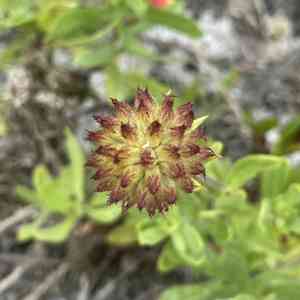
A perennial herbaceous plant, perfumeballs thrives with vivid, daisy-like blossoms and a delightful aroma. Appropriate trimming boosts bloom production and plant robustness. Consistently remove faded flowers to stimulate further blooming. During springtime, trim away any aged, lifeless growth to foster new, vigorous stalks. Late summer pruning aids in preserving its form and enhancing air movement. For perfumeballs specifically, pruning optimizes its visual charm and deters unwanted self-propagation. Employ sanitized, sharp cutting tools to prevent pathogen spread during trimming.
What Are the Benefits of Pruning Perfumeballs?
What Are the Benefits of Pruning Perfumeballs?
Trimming perfumeballs promotes robust development and helps preserve its structure. Strategic cutting eliminates faded blossoms, stimulates renewal, and ensures a neat look, vital for peak health and presentation.
What Is the Best Time for Pruning Perfumeballs?
What Is the Best Time for Pruning Perfumeballs?
Pruning or trimming perfumeballs in late spring or early summer is optimal as this aligns with the period after flowering, ensuring the plant's bloom display is not compromised. Late spring pruning allows for the removal of any winter damage and prepares perfumeballs for the new growth season. Early summer trimming can occur after the initial flush of flowers, encouraging a second blooming and promoting a bushier growth habit. This timing is also beneficial as it avoids the hottest part of the summer, reducing stress on perfumeballs and ensuring better healing of the pruned areas. Additionally, pruning during these seasons helps maintain the plant's size and shape and can invigorate weaker stems, contributing to the overall health and vigor of perfumeballs.
What Tools Do I Need to Prune Perfumeballs?
Hand Pruners
Perfect for making precise cuts on perfumeballs's slender stems, minimizing harm to plant tissues.
Pruning Shears
Suitable for shaping perfumeballs's overall form and managing the plant's dimensions.
Gloves
Crucial for safeguarding the gardener's hands from thorns and coarse plant material during perfumeballs pruning.
Pruning Saw
Required for cutting through thicker stems or branches of perfumeballs that standard pruners cannot manage.
How to Prune Perfumeballs
Clean Tools
Sanitize all pruning implements to prevent disease transmission to or from perfumeballs. Use a solution of one part bleach to nine parts water or rubbing alcohol to ensure tools are sterile before beginning the pruning process.
Remove Diseased Leaves
Identify and carefully detach any diseased leaves from perfumeballs. Make cuts near the base of the leaf's stem, ensuring not to harm healthy adjacent foliage or stems during the process.
Trim Withered Leaves
Locate withered or dead leaves on perfumeballs and prune them at the base of the leaf stem. Perform a clean cut to promote quicker healing and to maintain the plant's aesthetic appeal.
Cut Diseased Stems
Excise diseased stems from perfumeballs by making cuts at least several inches below the affected area, into healthy tissue. Ensure the cuts are angled to prevent water accumulation that can lead to further disease.
Shape Plant
After removing unhealthy parts, lightly shape perfumeballs to maintain its natural form. Remove any stems that disrupt the symmetry or desired form of perfumeballs, taking care not to overprune which can stress the plant.
Common Pruning Mistakes with Perfumeballs
Overpruning
Removing too much growth at once can stress perfumeballs, potentially leading to weakened plants that are more susceptible to diseases or pests.
Improper Cuts
Incorrect cutting techniques such as tearing or using blunt tools can create jagged wounds that are slow to heal and invite pathogens.
Pruning At Wrong Stage
Cutting back perfumeballs during its active blooming period can inadvertently reduce the number of flowers and interrupt pollinator activity.
Neglecting To Deadhead
Failing to remove spent flowers from perfumeballs can lead to a decrease in overall blooming as energy is diverted to seed production rather than new blooms.
Disregarding Plant Shape
Not considering the natural form of perfumeballs when pruning can result in an unnatural appearance or uneven growth patterns.
Common Pruning Tips for Perfumeballs
Use Sharp Tools
Ensure using clean, sharp pruning shears or scissors to make clean cuts which help perfumeballs heal faster and minimize damage.
Deadheading
Regularly remove dead or fading flowers from perfumeballs to encourage continuous blooming throughout the growing season.
Thinning
Thin out dense areas of growth to improve air circulation and light penetration, which can help prevent fungal diseases in perfumeballs.
Shape Maintenance
Prune perfumeballs to maintain its natural shape, encouraging a strong structure and an aesthetically pleasing form.
Health Checks
During pruning, inspect perfumeballs for signs of disease or pests, and remove any affected parts to keep the plant healthy.



