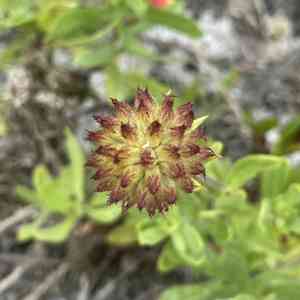
Perfumeballs (Gaillardia suavis)
Also known as: Sweet Gaillardia, Perfumed Blanketflower
Perfumeballs thrive in prairies and sandy soils. Known for their cushion-like blooms and gardenia-scented nectar, they attract a variety of butterflies. This appealing combination is making them a trendy choice for gardens.
In This Article
Attributes of Perfumeballs
Lifespan
Perennial
Plant Type
Herb
Plant Height
80 cm
Spread
30 cm
Leaf Color
Green
Flower Size
1 to 2 inches
Flower Color
Yellow Red Brown Orange
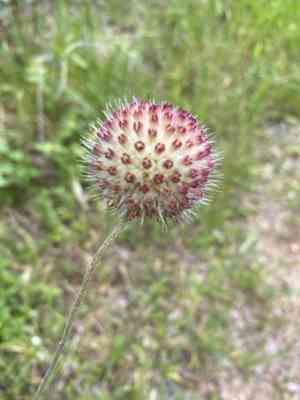
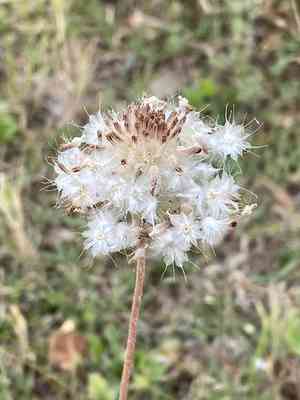
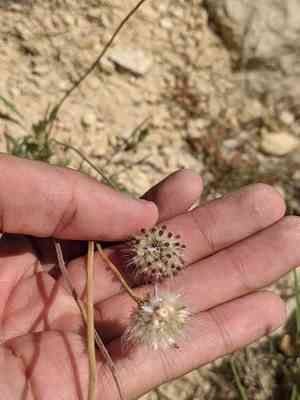
Images of Perfumeballs
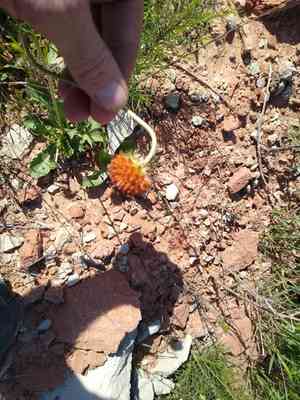
Quickly Identify Perfumeballs
1
Identify Gaillardia suavis by its tall stems, aromatic leaves, and daisy-like flowers with reddish, purplish, or yellow rays and a central disc. The leaves are lance-shaped and covered in fine hairs.
Scientific Classification of Perfumeballs
Phylum
Vascular plants
Class
Dicotyledons
Order
Asterales
Family
Daisy
Genus
Blanket flowers
Species
Perfumeballs
Planting and Growing of Perfumeballs
Care Difficulty
Easy
Watering Schedule
Every 3 days
Sunlight Requirements
Full sun
Sunshine Duration
4-8 hours
Ideal Temperature
68-77℉
Soil Type
Potting Mix, Peat Mix
Soil pH
6.5-7.5
Fertilizer Type
Balanced
Pruning Season
Spring, Summer
Pruning Area
Branches, Leaves
Pruning Frequency
2 times a year
Repotting Season
Spring
Pot Type
Plastic, Ceramic
 How to Water Perfumeballs?
Gaillardia suavis, known for its resilience, appreciates a moderate watering approach. Aim to provide approximately 200 ml of water per session, ensuring the soil is consistently moist but never waterlogged. The key is to balance the moisture level, so the plant remains healthy without drowning its roots.
What are the symptoms of an underwatered Perfumeballs?
›
What should I do if my Perfumeballs is not getting enough water?
›
What are the symptoms of an overwatered Perfumeballs?
›
How to save an overwatered Perfumeballs?
›
 What Are the Sunlight Requirements for Perfumeballs?
Gaillardia suavis prefers full sun to partial sun conditions, needing 6-8 hours of daily sunlight. This ideal light range supports vigorous growth, enhances photosynthesis, and maintains the plant's bright and attractive flowers.
More About Sunlight Requirements Techniques→
What is the ideal sun exposure for Gaillardia suavis?
›
How can you ensure Gaillardia suavis gets enough sunlight?
›
What benefits does Gaillardia suavis gain from ideal sunlight conditions?
›
 What Is the Ideal Temperature Range for Perfumeballs?
Gaillardia suavis thrives best in warm temperatures ranging from 68°F to 77°F. This temperature range supports optimal physiological functions, ensuring healthy growth and vibrant blooming. Maintaining this range will promote vigorous growth and an abundant floral display.
 What Soil is Best for Perfumeballs?
Gaillardia suavis thrives in well-draining soils because they prevent waterlogging and root rot, ensuring the plant's roots get enough oxygen and nutrients. This plant doesn't require overly fertile soil. Moderate nutrient levels help maintain its growth balance, avoiding excessive foliage at the expense of blooms. A soil pH between 6.5 and 7.5 helps Gaillardia suavis absorb essential nutrients effectively, promoting healthy growth and vibrant flowers.
 How to Fertilize Perfumeballs?
When fertilizing Gaillardia suavis, apply a balanced, all-purpose fertilizer at a rate of approximately 1 pound of fertilizer per 100 square feet of planting area. This ensures that each plant gets an adequate amount of nutrients without overwhelming them.
 How to Prune Perfumeballs?
Before you start pruning, ensure your scissors or pruning shears are clean and sharp. Clean tools help prevent the spread of diseases, and sharp blades make cleaner cuts that heal faster. Deadheading is essential to keep your Gaillardia suavis blooming. Snip off faded flowers just above the leaf nodes, which should prevent seed formation and encourage the plant to direct its energy to producing new blooms. Check for any overgrown or leggy stems. Cut these back to maintain the plant's shape and encourage a bushier growth habit. Aim to create a balanced, rounded form. Remove any dead or yellowing leaves at the base of the plant. This not only improves appearance but also reduces the risk of disease and pests establishing themselves.
More About Pruning Techniques→
 How to Propagate Perfumeballs plant?
1
Gather seeds from mature Gaillardia suavis flowers after the blooms have faded. Ensure the seeds are dry before storing them in a cool, dark place until you're ready to sow them.
2
Select healthy stems from the parent plant and cut them just below a node. Remove the lower leaves to prevent rot and place them in water or moist soil to encourage root growth.
3
In early spring, use a sharp spade to divide existing clumps of Gaillardia suavis. Ensure each division has ample roots for successful replanting.
 How to Repot Perfumeballs plant?
1
Gaillardia suavis requires repotting when roots begin to emerge from the drainage holes or growth visibly slows. Typically, this signals that the plant has outgrown its current home, and fresh soil and space are needed for continued health.
2
Select a pot that is one size larger and has plenty of drainage holes. This ensures room for growth and prevents root rot by allowing excess moisture to escape, creating a healthy environment for your plant.
3
Choose a sandy, well-draining soil mix to mimic the native environment of Gaillardia suavis. This ensures that water does not linger around the roots, reducing the risk of fungal diseases and encouraging robust growth.
Learn More About Perfumeballs Diseases
Anthracnose
Bacterial Leaf Spot
Bacterial Wilt
Chemical Injury
Crown Gall
Cyst Nematode
Damping-off
Downy Mildew
Drought Stress
Fusarium Wilt
Gray Mold
Leaf Spot
Mosaic
Nutrient Deficiency
Nutrient Toxicity
Powdery Mildew
Root Rot
Root-knot Nematode
Rusts
Sooty Mold
Spider Mites
Temperature Stress
Thrips Damage
White Mold



