How to Prune Wavy-leaf twinevine?
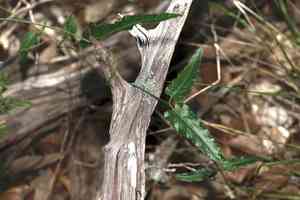
The wavy-leaf twinevine, recognized by its unique undulating foliage and climbing nature, thrives with trimming performed in late winter or early spring. Essential methods involve excising deceased or compromised stalks, reducing dense sections to enhance airflow, and shortening extended, untamed tendrils to stimulate robust development. Pruning during these periods corresponds with its developmental rhythm, fostering energetic new shoots. Consistent trimming aids in superior structural soundness and diminishes the likelihood of illness, rendering it a vital procedure for sustaining a flourishing specimen.
What Are the Benefits of Pruning Wavy-leaf Twinevine?
What Are the Benefits of Pruning Wavy-leaf Twinevine?
Wavy-leaf twinevine thrives with pruning, promoting robust growth and maintaining its form. This practice helps manage its climbing habit, prevents excessive growth, and fosters healthier development, improved flowering, and resistance to pests and diseases. Pruning ensures it remains an appealing and manageable garden feature.
What Is the Best Time for Pruning Wavy-leaf Twinevine?
What Is the Best Time for Pruning Wavy-leaf Twinevine?
For wavy-leaf twinevine, the optimal times for pruning or trimming are early spring and late winter. Pruning wavy-leaf twinevine during these periods leverages the plant's dormant state, reducing stress and minimizing disease risk. Cutting back plants before the active growth season ensures vigorous new growth and blooming. Delaying until later in the growing season can disrupt new shoots and potentially impact flowering.
What Tools Do I Need to Prune Wavy-leaf Twinevine?
Hand Pruners
Perfect for snipping small stems and branches, providing accuracy without harming the plant. Excellent for maintaining wavy-leaf twinevine's shape and removing dead or unwanted growth.
Loppers
Useful for reaching thicker stems or branches that hand pruners struggle with. They offer increased leverage and are suitable for pruning wavy-leaf twinevine when hand pruners are insufficient.
Pruning Saws
Essential for cutting through larger or tougher branches that hand pruners or loppers cannot manage. Great for more extensive pruning tasks to control the size and health of wavy-leaf twinevine.
Gloves
Protective gear to prevent skin irritation or injury when handling wavy-leaf twinevine, especially due to its climbing nature.
Lightweight Shears
Helpful for shaping and maintaining the vine's foliage without causing unnecessary damage to its delicate leaves and stems.
How to Prune Wavy-leaf Twinevine
Inspection
Examine wavy-leaf twinevine for any visible indications of diseased or withered leaves, ensuring a thorough check of both upper and lower leaf surfaces.
Tool preparation
Sanitize pruning shears with a solution of one part bleach to nine parts water to prevent the spread of disease.
Diseased leaf removal
Carefully remove any diseased leaves by cutting at least one inch below the affected area to prevent the spread of pathogens.
Withered leaf trimming
Trim withered leaves back to the base of their stem to improve overall plant health and appearance.
Clean up
Dispose of all removed plant material in a sealed bag to prevent the spread of disease back to wavy-leaf twinevine or to other plants in your garden.
Common Pruning Mistakes with Wavy-leaf Twinevine
Improper technique
Using dull or unsuitable tools which can damage stems and create entry points for disease.
Over-pruning
Removing too much foliage at once, which can stress the plant and reduce its overall vigor.
Incorrect cuts
Making cuts at the wrong angle or in the wrong spot, which can hinder healing and lead to unhealthy growth patterns.
Random pruning
Lacking a clear pruning strategy, resulting in an unbalanced or unattractive shape.
Common Pruning Tips for Wavy-leaf Twinevine
Use sharp tools
Always use sharp, clean pruning shears to make precise cuts and minimize damage to the plant.
Prune for shape
Focus on maintaining a natural shape by removing any tangled, crossing, or overly long stems.
Cut above bud
Make cuts just above a bud or leaf node to encourage new growth from that point.
Remove dead wood
Regularly remove any dead, damaged, or diseased wood to promote healthy growth.
Minimal pruning
Avoid excessive pruning; aim to remove no more than a third of the plant's growth at any one time to prevent shock.



