How to Prune Hairy umbrella-sedge?
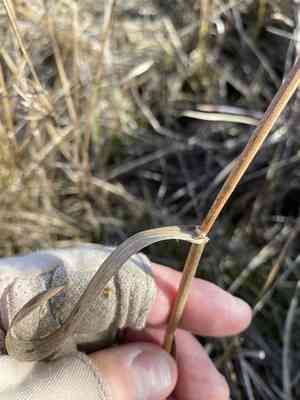
This plant, recognized by its fuzzy, clustered foliage and compact groupings, thrives with consistent trimming to preserve its form and foster vigorous development. Trimming is best performed in early spring and during winter while the plant is inactive. Eliminate any deceased or compromised stems to stimulate fresh growth and enhance air movement. Employ sharp, sanitized implements to prevent diseases. This routine guarantees a strong and visually appealing plant year-round.
Advantages of Trimming Hairy Umbrella-sedge
Advantages of Trimming Hairy Umbrella-sedge
Trimming hairy umbrella-sedge aids in maintaining its form and stimulates vigorous development. Regular trimming also helps manage its size, boosts resistance to pests and illnesses, and enhances its overall look. Effective trimming ensures the plant stays healthy and strong.
Optimal Period for Trimming Hairy Umbrella-sedge
Optimal Period for Trimming Hairy Umbrella-sedge
Trimming hairy umbrella-sedge during early spring and winter is highly recommended due to its growth cycle and dormant phase. Early spring trimming allows the plant to direct energy towards new growth during its active season, leading to healthier, more robust development. Winter trimming, conversely, is beneficial as hairy umbrella-sedge is dormant, making it less prone to stress and disease. This timing also helps maintain the plant's shape and size without disrupting its natural growth and flowering patterns. Early-spring cuts can also encourage more abundant blooms in the subsequent season by removing winter damage and stimulating new growth.
Tools Required for Trimming Hairy Umbrella-sedge
Hand Pruners
Perfect for precise cuts on small stems and branches. Ensures clean cuts to encourage healthy new growth.
Pruning Shears
Suitable for trimming and shaping the clustered growth. They are effective for larger-scale maintenance.
Gloves
Crucial for protecting hands from potential irritation caused by the hairy stems and foliage.
Disinfectant Solution
Necessary for cleaning tools before and after trimming to prevent the spread of diseases.
How to Trim Hairy Umbrella-sedge
Inspect
Carefully examine hairy umbrella-sedge to identify any diseased or withered leaves that need removal.
Tools
Use sterilized pruning shears or scissors to prevent the spread of pathogens while trimming hairy umbrella-sedge.
Remove
Cut diseased leaves at their base, near where they connect to the stem, to ensure complete removal of the infected part.
Withered
Trim withered leaves by cutting them just above the healthy section of the plant to encourage new growth.
Disposal
Properly dispose of the removed diseased and withered leaves away from the garden area to prevent potential disease spread.
Common Trimming Errors with Hairy Umbrella-sedge
Incorrect Method
Using dull or unsuitable tools can harm the plant. Always use sharp, clean shears or scissors.
Excessive Trimming
Removing too much foliage can weaken hairy umbrella-sedge, making it vulnerable to disease and stunted growth. Avoid cutting more than one-third of the plant at a time.
Timing Mistakes
Trimming at the wrong time can hinder growth; even if timing is season specific, avoid trimming new growth too early or too late, as it can shock the plant.
Neglecting Plant Health
Failing to sanitize tools between cuts can spread disease. Always clean tools to prevent infections.
General Trimming Advice for Hairy Umbrella-sedge
Utilize Sharp Tools
Ensure all tools are sharp and clean to make precise cuts without tearing the plant tissue.
Moderate Trimming
Focus on removing dead, diseased, or damaged stems. This promotes better air circulation and sunlight penetration, essential for healthy growth.
Cut Above Nodes
When cutting back stems, always cut just above a node or a leaf set. This encourages new growth from the cut point.
Sanitize Tools
Disinfect pruning tools with alcohol or a bleach solution to prevent the spread of disease. This is especially critical if hairy umbrella-sedge has shown signs of disease.



