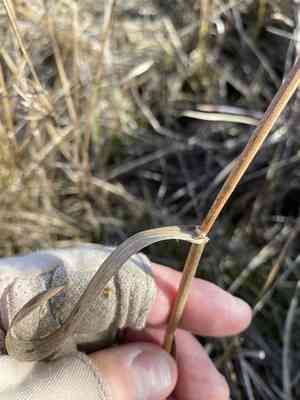
Hairy umbrella-sedge (Fuirena squarrosa)
Also known as: None
The hairy umbrella-sedge (Fuirena ciliaris) exhibits a tufted growth pattern with stiff, upright stems that can grow up to 1 meter tall. Its stems and leaves are covered in fine hairs, giving a rough texture, while the lance-shaped leaves encircle the stem at a swollen base, creating a somewhat scaly appearance. This sedge flourishes in wet, marshy areas, often found along the edges of ponds, streams, and wetlands. Its small, brownish spikelets form clusters that emerge above the water, aiding in seed dispersal and adding to its distinctive appearance in its natural aquatic habitat.
In This Article
Attributes of Hairy umbrella-sedge
Lifespan
Perennial
Plant Type
Grass
Plant Height
30 cm to 91 cm
Spread
N/A
Leaf Color
Green
Flower Size
Small, less than 1 cm
Flower Color
Green to brown
Images of Hairy umbrella-sedge
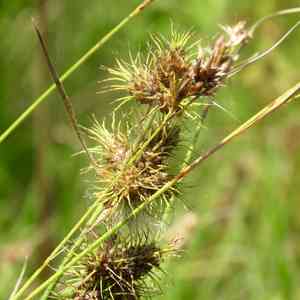
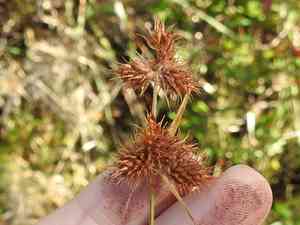
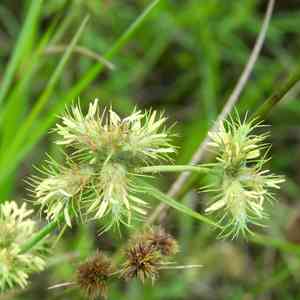
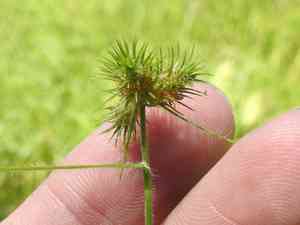
Quickly Identify Hairy umbrella-sedge
1
Identify Fuirena squarrosa by its hairy stems and leaves, and its unique, umbrella-shaped inflorescences with spikelets. The plant typically grows in wetland areas and has a robust, clumped growth form.
Scientific Classification of Hairy umbrella-sedge
Phylum
Vascular plants
Class
Monocotyledons
Order
Poales
Family
Sedge
Genus
Umbrella-sedge
Species
Hairy umbrella-sedge
Planting and Growing of Hairy umbrella-sedge
Care Difficulty
Easy
Watering Schedule
Every 3 days
Sunlight Requirements
Full sun
Sunshine Duration
6-12 hours
Ideal Temperature
68-77℉
Soil Type
Potting Mix, Peat Mix
Soil pH
6.5-7.5
Fertilizer Type
Balanced
Pruning Season
Spring, Summer
Pruning Area
Branches, Leaves
Pruning Frequency
2 times a year
Repotting Season
Spring
Pot Type
Plastic, Ceramic
 How to Water Hairy umbrella-sedge?
Fuirena squarrosa thrives best with moderate watering. Ensure that the topsoil is moist but not waterlogged. The plant's tolerance for varying moisture conditions is quite impressive, but consistent watering is beneficial. Pour approximately 200 milliliters of water until you notice the water is reaching the root zone without pooling at the surface.
What are the symptoms of an underwatered Hairy umbrella-sedge?
›
What should I do if my Hairy umbrella-sedge is not getting enough water?
›
What are the symptoms of an overwatered Hairy umbrella-sedge?
›
How to save an overwatered Hairy umbrella-sedge?
›
 What Are the Sunlight Requirements for Hairy umbrella-sedge?
Partial sun exposure allows Fuirena squarrosa to maintain optimal photosynthesis and growth rates. Proper balance ensures the plant reaches its full potential in terms of size, vibrancy, and ecological contribution within its habitat.
What are the ideal light conditions for Fuirena squarrosa?
›
How can I achieve ideal light conditions for this plant?
›
What benefits come from optimal lighting for Fuirena squarrosa?
›
 What Is the Ideal Temperature Range for Hairy umbrella-sedge?
For Fuirena squarrosa, the ideal temperature range is between 68°F and 77°F. In this range, the plant can perform photosynthesis effectively and maintain optimal growth rates. Temperatures within this zone support healthy cellular functions and nutrient uptake, ensuring the plant thrives.
 What Soil is Best for Hairy umbrella-sedge?
Fuirena squarrosa thrives in soil with excellent drainage properties. Adequate drainage prevents waterlogging, which can lead to root rot and other moisture-related issues. This environment supports healthy root development, allowing the plant to absorb essential nutrients efficiently. A nutrient-rich soil ensures Fuirena squarrosa gets all the essential minerals it needs for optimal growth. Providing the right balance of nutrients aids in robust foliage development and increases the plant's resilience against diseases and environmental stresses. Fuirena squarrosa prefers slightly acidic to neutral soils. This pH range ensures the availability of essential nutrients and promotes beneficial microbial activity in the soil. Maintaining moderate acidity helps in maximizing the plant's vigor and health.
 How to Fertilize Hairy umbrella-sedge?
For Fuirena squarrosa, the ideal fertilizer amount is crucial. Liquid fertilizers should be mixed at half the strength recommended by the manufacturer to avoid over-fertilization. Typically, apply about 1/4 teaspoon of balanced liquid fertilizer per gallon of water. For slow-release fertilizers, use approximately 1/2 tablespoon per square foot of soil surface. It's vital to follow these measurements to maintain plant health without risking nutrient burn.
 How to Prune Hairy umbrella-sedge?
Start by inspecting the plant for any dead or damaged leaves. Use sharp scissors or pruning shears to remove these parts carefully. Aim to make clean cuts to prevent tearing. Focus on areas where the foliage is dense to improve air circulation, which can prevent diseases. While pruning, take the opportunity to shape the plant. Consider the overall balance of the foliage and trim any excessively long stems that disrupt its natural form. This also helps the plant direct more energy into producing new, healthy growth. Collect all pruned material promptly and dispose of it properly. Leaving trimmed parts around the plant can attract pests or lead to fungal diseases. Compost healthy material, but discard any parts that appeared diseased or pest-ridden.
More About Pruning Techniques→
 How to Propagate Hairy umbrella-sedge plant?
1
Collect seeds from mature Fuirena squarrosa plants in autumn; ensure they are completely dry before storing them in a cool, dry place until spring planting.
2
In early spring, identify mature clumps for division. Using a sharp spade, carefully dig up the clump, ensuring minimal root disturbance, and divide into smaller sections with at least a few shoots each.
3
Plant seeds in prepared seed trays with a mix of soil and compost. For divisions, plant each section into well-prepared soil, ensuring it's firm and water is applied to eliminate air pockets.
 How to Repot Hairy umbrella-sedge plant?
1
Fuirena squarrosa should be repotted when roots begin circling the pot or emerging from drainage holes. Spring and summer months are ideal, allowing the plant to adjust during its active growing period.
2
Select a pot that is one size larger than the current one, with adequate drainage holes to prevent waterlogging. This helps accommodate root growth while ensuring proper moisture management for the plant.
3
Use loamy, well-draining soil to foster healthy root development and prevent water accumulation, which can lead to root rot. The soil should strike a balance between moisture retention and aeration.
Learn More About Hairy umbrella-sedge Diseases
Anthracnose
Bacterial Leaf Spot
Bacterial Soft Rot
Bacterial Wilt
Cyst Nematode
Damping-off
Downy Mildew
Drought Stress
Fusarium Wilt
Gray Mold
Leaf Spot
Mosaic
Nutrient Deficiency
Nutrient Toxicity
Powdery Mildew
Root Rot
Root-knot Nematode
Rusts
Sooty Mold
Spider Mites
Temperature Stress
Thrips Damage
White Mold



