How to Prune Western umbrella-sedge?
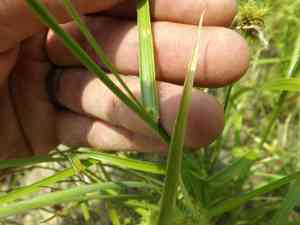
The Western umbrella-sedge exhibits delicate stalks and groupings of spikelets. Conduct pruning mainly in early spring and during winter to control its development and preserve its form. Cut away any deceased or injured stems to foster more vigorous growth and alleviate congestion. Consistent thinning of the plant aids in sustaining air movement, thereby lowering the likelihood of disease. Eliminating spent flower spikes encourages the emergence of fresh blossoms. This method contributes to a sturdy, aesthetically pleasing plant architecture, guaranteeing peak well-being and expansion.
Advantages of Trimming Western Umbrella-sedge
Advantages of Trimming Western Umbrella-sedge
Trimming western umbrella-sedge encourages robust development and helps maintain its form. Consistent cutting manages the plant's dimensions, fosters healthier foliage, and prevents congestion, which boosts overall plant vitality and lessens vulnerability to pests and illnesses.
Optimal Period for Trimming Western Umbrella-sedge
Optimal Period for Trimming Western Umbrella-sedge
Trimming or cutting western umbrella-sedge during early spring and winter is ideal due to its growth cycle. During these periods, the plant is either inactive or beginning its growth phase, making it less susceptible to stress. Pruning at these times helps avoid disrupting its blooming and fruiting cycles, ensuring improved health and more vigorous development. Early spring trimming stimulates new growth as the season advances, while winter trimming removes dead or damaged parts, fostering a healthier structure.
Necessary Tools for Trimming Western Umbrella-sedge
Hand Pruners
Hand pruners are perfect for western umbrella-sedge due to their compact size and accuracy. They enable you to snip off dead or damaged stems without harming healthy growth.
Shears
Shears are effective for cutting back large sections of western umbrella-sedge efficiently. They are useful for preserving the plant's shape and encouraging healthy development.
Gloves
Wearing gloves is crucial to safeguard your hands when trimming western umbrella-sedge, especially in damp conditions where the plant might be slick.
Sanitizing Solution
A sanitizing solution aids in cleaning your tools before and after trimming western umbrella-sedge to prevent the spread of diseases.
How to Trim Western Umbrella-sedge
Preparation
Ensure pruning implements like shears are disinfected to prevent disease transmission. Wear gloves to protect your hands.
Inspect
Carefully examine western umbrella-sedge for any diseased or withered leaves. Look for indicators such as discoloration, spots, or wilting.
Removal Diseased Leaves
Utilize sanitized shears to cut diseased leaves at the base, making clean cuts to completely remove affected areas. Dispose of these leaves away from healthy plants.
Removal Withered Leaves
Trim withered leaves in the same manner, cutting them off at the base to stimulate new growth and enhance plant health.
Clean Up
Gather all trimmed leaves and debris from around western umbrella-sedge to prevent potential harboring of pests or diseases. Dispose of them appropriately.
Common Trimming Errors with Western Umbrella-sedge
Over-pruning
A frequent error is removing too much foliage at once. This can stress western umbrella-sedge and hinder its growth and blooming.
Improper tools
Using dull or unclean pruning tools can harm the plant and elevate the risk of disease.
Wrong technique
Cutting too close to the base or employing a sawing motion can damage western umbrella-sedge rather than foster healthy growth.
Neglecting safety
Failing to wear gloves or protective eyewear can result in personal injury and impede effective trimming.
General Trimming Advice for Western Umbrella-sedge
Use sharp, clean tools
Always ensure your pruning shears or scissors are sharp and sterilized to make clean cuts and minimize the risk of disease.
Prune moderately
Remove only the dead, damaged, or diseased stems and foliage to maintain the plant's health without causing excessive stress.
Cut at the right angle
Make cuts at a 45-degree angle just above a leaf node to promote better healing and growth.
Monitor plant health
Regularly check western umbrella-sedge for signs of disease or pests and address issues promptly to keep the plant healthy.



