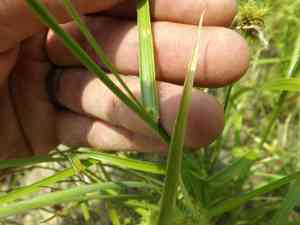
Western umbrella-sedge (Fuirena simplex)
Also known as: Umbrella Sedge, Low Umbrella Sedge
The Western umbrella-sedge (Fuirena simplex) is a perennial plant commonly found in wetland environments. It adapts well to waterlogged soils with its robust, fibrous root system. Characterized by upright, simple stems and slender, linear leaves, this sedge often produces small, dense flower clusters at the tops of its stems. These clusters feature subtle brownish flowers, which are important for identifying the species. The plant's success in marshy areas highlights its adaptation to its specific ecological niche.
In This Article
Attributes of Western umbrella-sedge
Lifespan
Perennial
Plant Type
Grass
Plant Height
0 mm to 30 cm
Spread
Not applicable
Leaf Color
Green
Flower Size
Small, 2-3 mm
Flower Color
Green, Brown
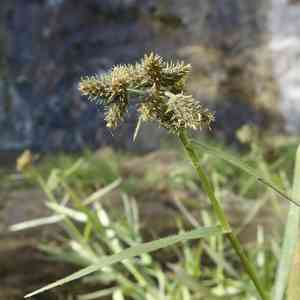
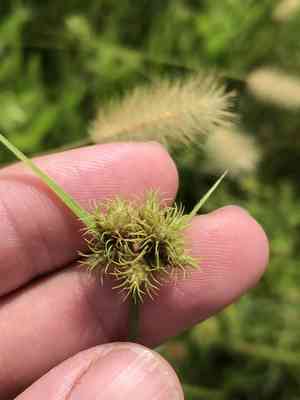
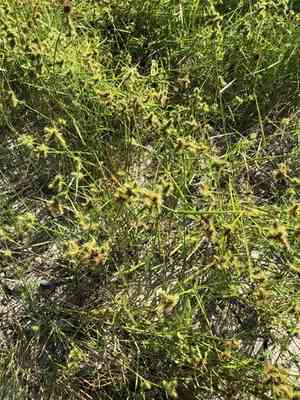
Images of Western umbrella-sedge
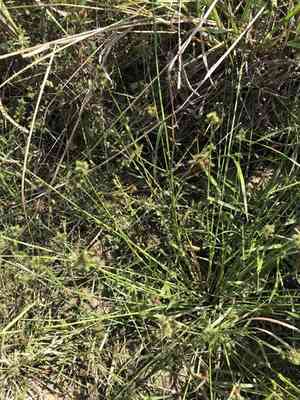
Quickly Identify Western umbrella-sedge
1
Fuirena simplex can be identified by its grass-like appearance, with narrow leaves and a central stem that supports an inflorescence shaped like an umbrella. The flowers are small and clustered, often giving a fluffy appearance.
Scientific Classification of Western umbrella-sedge
Phylum
Vascular plants
Class
Monocotyledons
Order
Poales
Family
Sedge
Genus
Umbrella-sedge
Species
Western umbrella-sedge
Planting and Growing of Western umbrella-sedge
Care Difficulty
Easy
Watering Schedule
Every 3 days
Sunlight Requirements
Partial sun
Sunshine Duration
4-6 hours
Ideal Temperature
68-77℉
Soil Type
Potting Mix, Peat Mix
Soil pH
5.5-7.5
Fertilizer Type
Balanced
Pruning Season
Spring, Summer
Pruning Area
Branches, Leaves
Pruning Frequency
2 times a year
Repotting Season
Spring
Pot Type
Plastic, Ceramic
 How to Water Western umbrella-sedge?
For Fuirena simplex, it is essential to maintain consistently moist soil without over-saturating. Aim for moist soil consistency similar to a wrung-out sponge. Water thoroughly until about 200 ml of water has permeated the soil, allowing excess to drain to prevent waterlogging.
What are the symptoms of an underwatered Western umbrella-sedge?
›
What should I do if my Western umbrella-sedge is not getting enough water?
›
What are the symptoms of an overwatered Western umbrella-sedge?
›
How to save an overwatered Western umbrella-sedge?
›
 What Are the Sunlight Requirements for Western umbrella-sedge?
Fuirena simplex thrives best in partial sun environments, where it can enjoy filtered light for approximately 2 to 4 hours. This setting ensures optimal moisture retention and prevents excessive stress from full sun exposure.
Why does Fuirena simplex thrive in partial sun?
›
How can you simulate ideal lighting conditions?
›
What are the benefits of ideal light exposure?
›
 What Is the Ideal Temperature Range for Western umbrella-sedge?
The ideal temperature range for cultivating Fuirena simplex is between 68°F and 77°F. Within this temperature window, the plant can achieve optimal growth and maintain healthy physiological functions. These conditions simulate its natural habitat, ensuring that the plant receives the warmth necessary for photosynthesis and nutrient assimilation without the stress of excessive heat or cold.
 What Soil is Best for Western umbrella-sedge?
Fuirena simplex thrives in well-drained soil, which prevents waterlogging and root rot, allowing the plant to access necessary oxygen. This enhances its ability to absorb nutrients efficiently and promotes robust growth. Although preferring well-drained conditions, Fuirena simplex benefits from soil that retains some moisture. This balance ensures the plant does not dry out during drier spells, maintaining its lush and healthy foliage. Rich, organic matter within the soil supports the growth of Fuirena simplex, providing essential nutrients that fortify its structure and encourage vibrant blooming. Compounded organic matter like compost can optimize its growing conditions.
 How to Fertilize Western umbrella-sedge?
The amount of fertilizer for Fuirena simplex should be moderate and balanced. Too much fertilizer can lead to rapid, weak growth, while too little may not support the plant's needs. Use approximately 1/4 to 1/2 strength of recommended dose for liquid fertilizers, ensuring the plant gets essential nutrients without risk of root burn.
 How to Prune Western umbrella-sedge?
Start by examining your Fuirena simplex for any dead or damaged stems. Use sharp, clean scissors or pruning shears to cut back these areas, making your cuts just above a node to encourage new growth. Aim to shape the plant so it maintains a balanced and natural appearance while also improving air flow around the base. Take this opportunity to shape your Fuirena simplex. If growth is becoming too wide or uneven, selectively trim back longer stems to create a more symmetrical appearance. Be mindful not to remove more than a third of the plant at any one time to avoid stress.
More About Pruning Techniques→
 How to Propagate Western umbrella-sedge plant?
1
Begin by filling a seed tray with a quality seed-starting mix. Sow the seeds evenly over the surface, gently pressing them into the soil. Mist the surface with water to ensure even and gentle watering.
2
For division propagation, carefully remove the plant from the pot. Gently separate the roots into smaller sections. Each section should have a good root system and some foliage.
3
Plant the divisions in individual pots filled with a well-draining potting mix. Water them thoroughly after planting to help settle the soil around the roots.
 How to Repot Western umbrella-sedge plant?
1
Fuirena simplex often signals a need for repotting when its growth becomes stunted or roots start emerging from the drainage holes. Observing the plant's vitality in the spring or summer is key, as this is when the plant is most prepared to recover from the stress of repotting.
2
Select a pot that is one size larger than the current one, with ample drainage holes to prevent waterlogging. Using a slightly larger pot allows Fuirena simplex to expand its roots comfortably, reducing the risk of root-bound issues and enhancing nutrient uptake for healthy growth.
3
Opt for a moist, well-draining soil, ideally a mix of peat, perlite, and potting soil. Such a blend retains sufficient moisture for Fuirena simplex's needs while preventing water accumulation at the roots, which reduces the risk of root rot significantly.
Learn More About Western umbrella-sedge Diseases
Anthracnose
Bacterial Leaf Spot
Bacterial Soft Rot
Bacterial Wilt
Chemical Injury
Cyst Nematode
Damping-off
Downy Mildew
Drought Stress
Fusarium Wilt
Gray Mold
Leaf Spot
Mosaic
Nutrient Deficiency
Nutrient Toxicity
Powdery Mildew
Root Rot
Root-knot Nematode
Rusts
Sooty Mold
Spider Mites
Temperature Stress
Thrips Damage
White Mold



