How to Prune Dwarf umbrella-sedge?
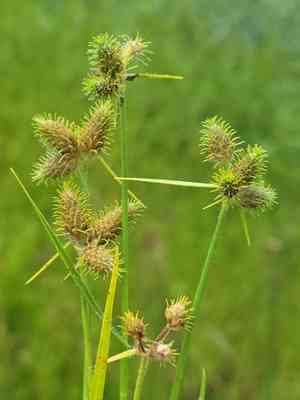
Distinguished by its compact size, dwarf umbrella-sedge flourishes with consistent trimming to preserve its form and encourage more abundant development. Optimal periods for pruning are in spring, summer, and early autumn, coinciding with its periods of active development. Trimming should concentrate on eliminating deceased or excessively long stems to improve air movement and lessen the chance of illness. Frequent cutting also stimulates more robust growth and blooming, rendering it crucial for the dwarf umbrella-sedge's well-being and visual attractiveness.
What Are the Benefits of Pruning Dwarf Umbrella-sedge?
What Are the Benefits of Pruning Dwarf Umbrella-sedge?
Trimming dwarf umbrella-sedge promotes robust development and helps maintain its compact shape. Regular cutting back prevents excessive growth and fosters a denser, more appealing look, crucial for preserving its decorative value.
What Is the Best Time for Pruning Dwarf Umbrella-sedge?
What Is the Best Time for Pruning Dwarf Umbrella-sedge?
Trimming dwarf umbrella-sedge during Spring, Summer, and Fall is optimal for several reasons. In Spring, pruning aids in removing any frost-damaged parts from the plant and encourages healthy new growth as the growing season commences. During Summer, selective trimming of dwarf umbrella-sedge can enhance air circulation and light penetration within the plant, which is vital for strong growth and reduces disease risk. Fall pruning is advantageous because it prepares dwarf umbrella-sedge for the dormant winter period, eliminating any dead or diseased foliage and maintaining the plant's form. This schedule aligns with the active growth phases of dwarf umbrella-sedge, ensuring peak health and vitality.
What Tools Do I Need to Prune Dwarf Umbrella-sedge?
Handheld Pruners
For dwarf umbrella-sedge, which typically displays a compact growth habit, handheld pruners are perfect for making precise cuts on thinner stems. Since dwarf umbrella-sedge possesses delicate structural traits, using these pruners will enable gardeners to carefully manage the plant's form without causing unnecessary harm.
Micro-Tip Snips
These are highly suitable for dwarf umbrella-sedge due to their sharp, fine tips, which allow for accurate cutting close to the plant's base. This is especially useful for maintaining the neat appearance of dwarf umbrella-sedge and facilitating healthy regrowth by targeting only necessary areas, reducing the risk of damaging the plant's smaller, more fragile components.
Shears
Given the potentially dense clustering of dwarf umbrella-sedge stems, shears can be effective for cutting back larger areas efficiently. This tool will help maintain the overall shape and health of the plant by allowing clean, straight cuts across multiple stems.
How to Prune Dwarf Umbrella-sedge
Identify
Locate and mark all withered or dead leaves on dwarf umbrella-sedge. This involves carefully inspecting the plant to ensure that only the appropriate sections are chosen for trimming, without impacting healthy growth.
Prepare
Get the necessary tools ready. Use sharp and clean scissors or shears for pruning. This will help prevent damage and potential disease spread to dwarf umbrella-sedge during the pruning process.
Trim
Carefully cut off the withered leaves at their base, close to the stem. Make clean cuts to ensure quick recovery and minimize stress to dwarf umbrella-sedge.
Dispose
Properly discard the removed leaves. Do not leave them near dwarf umbrella-sedge, as they can attract pests or harbor diseases which could be harmful to the plant.
Monitor
After pruning, observe dwarf umbrella-sedge over the next few days to ensure it responds well to the trimming and shows no signs of distress or further decline.
Common Pruning Mistakes with Dwarf Umbrella-sedge
Overpruning
Excessive pruning of dwarf umbrella-sedge can lead to reduced vigor and fewer blooms. It's crucial to trim no more than one-third of the plant at a time to avoid stressing it.
Incorrect technique
Using dull or unclean pruning tools can harm the delicate stems of dwarf umbrella-sedge, potentially allowing disease entry. Always use sharp, clean shears.
Neglecting dead material
Failing to remove dead or dying foliage can impede the growth of dwarf umbrella-sedge by preventing new shoots from flourishing and increasing the likelihood of disease.
Common Pruning Tips for Dwarf Umbrella-sedge
Timing
It's vital to prune dwarf umbrella-sedge when it is most likely to encourage healthy growth and flowering. Removing spent flowers or dead foliage periodically can stimulate new growth.
Technique
Make clean cuts at a 45-degree angle just above a leaf node or blooming head. This encourages dwarf umbrella-sedge to branch more and can lead to denser foliage.
Cleanliness
Ensure tools are sterilized before and after use on dwarf umbrella-sedge to prevent the spread of any diseases. This is crucial in maintaining the plant's health and vibrancy.



