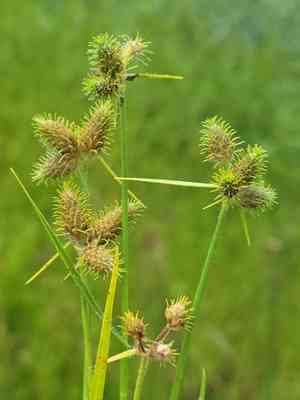
Dwarf umbrella-sedge (Fuirena pumila)
Also known as: None
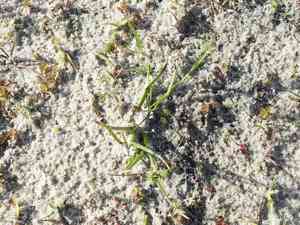
**Dwarf Umbrella Sedge (Fuirena pumila)** is a small wetland plant that thrives in marshy environments. It features slender stems adorned with small, clustered spikelets and bristly bracts that resemble tiny light green stars. This sedge is well-adapted to saturated soils, with a root system that secures it firmly in its watery habitat.
In This Article
Attributes of Dwarf umbrella-sedge
Lifespan
Annual
Plant Type
Grass
Plant Height
10-60 cm
Spread
Not applicable
Leaf Color
Green
Flower Size
Small, less than 1 cm
Flower Color
Yellow Green Brown
Images of Dwarf umbrella-sedge
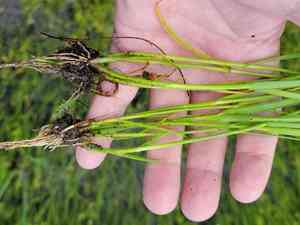
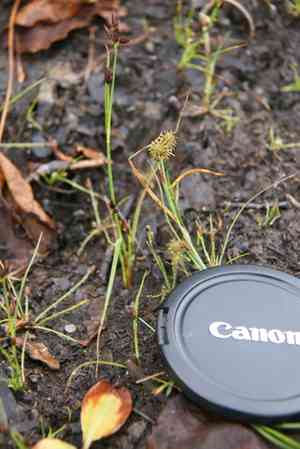
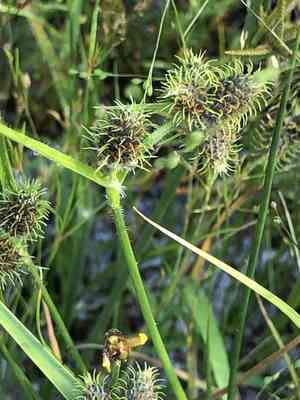
Quickly Identify Dwarf umbrella-sedge
1
Fuirena pumila can be identified by its small stature, dense clumping growth habit, and narrow, grass-like leaves. It produces inconspicuous flowers clustered at the tips of its stems.
Scientific Classification of Dwarf umbrella-sedge
Phylum
Vascular plants
Class
Monocotyledons
Order
Poales
Family
Sedge
Genus
Umbrella-sedge
Species
Dwarf umbrella-sedge
Planting and Growing of Dwarf umbrella-sedge
Care Difficulty
Easy
Watering Schedule
Every 4 days
Sunlight Requirements
Partial sun
Sunshine Duration
4-8 hours
Ideal Temperature
70-85℉
Soil Type
Potting Mix, Peat Mix
Soil pH
5.5-7.5
Fertilizer Type
Balanced
Pruning Season
Spring, Summer
Pruning Area
Branches, Leaves
Pruning Frequency
2 times a year
Repotting Season
Spring
Pot Type
Plastic, Ceramic
 How to Water Dwarf umbrella-sedge?
When watering Fuirena pumila, aim for about 200 ml of water per session. The goal is to moisten the soil thoroughly but avoid causing it to become waterlogged. Always check the top inch of soil for dryness before watering to ensure optimal soil moisture levels are maintained.
What are the symptoms of an underwatered Dwarf umbrella-sedge?
›
What should I do if my Dwarf umbrella-sedge is not getting enough water?
›
What are the symptoms of an overwatered Dwarf umbrella-sedge?
›
How to save an overwatered Dwarf umbrella-sedge?
›
 What Are the Sunlight Requirements for Dwarf umbrella-sedge?
Fuirena pumila thrives in partial sun conditions, ideally with light exposure between 4 to 6 hours daily. This range provides sufficient energy for photosynthesis while preventing heat stress. Ensuring this balance supports vibrant growth and healthy foliage.
What type of sunlight is ideal?
›
What are the solutions to achieve ideal sunlight?
›
What are the benefits of achieving ideal sunlight?
›
 What Is the Ideal Temperature Range for Dwarf umbrella-sedge?
The ideal temperature range for Fuirena pumila is between 70°F and 85°F. Maintaining this temperature ensures optimal photosynthesis and overall plant health. It is important to provide a stable environment within these temperatures to facilitate robust growth.
 What Soil is Best for Dwarf umbrella-sedge?
Fuirena pumila thrives in soils that retain moisture effectively. Sandy and peat soils often offer excellent drainage while maintaining necessary moisture levels, ensuring that the roots do not become waterlogged but stay adequately hydrated, providing a constant supply of nutrients. The plant prefers soil that is rich in organic matter. Incorporating compost or natural fertilizers into the soil mix can significantly enhance the nutrient profile. This enrichment supports robust growth and vibrant foliage, which is essential for the plant's overall health. Soils with good aeration are vital for Fuirena pumila. Well-aerated soil allows roots to breathe and facilitates the exchange of gases, which is crucial for root health and prevents issues like root rot. Sandy soils naturally offer this quality, promoting a healthy root system.
 How to Fertilize Dwarf umbrella-sedge?
For Fuirena pumila, the fertilization amount should be modest. When using liquid fertilizer, apply a dilute solution at one quarter of the recommended strength to avoid over-fertilization. For slow-release granular fertilizer, use a small amount — around 1 to 2 tablespoons per application depending on pot size.
 How to Prune Dwarf umbrella-sedge?
When pruning Fuirena pumila, begin by inspecting the plant for any dead or diseased leaves or stems. Use sterilized, sharp scissors or pruners to make precise cuts. Trim back the plant to maintain an even and compact shape, taking care not to cut too close to the base. Always cut above a node to encourage new growth from that point. If the plant has become overgrown, don't be afraid to cut back the stems more severely. Cutting back by a third is permissible to rejuvenate the plant and encourage a more controlled growth pattern. This helps in keeping the plant manageable and prevents it from outgrowing its space.
More About Pruning Techniques→
 How to Propagate Dwarf umbrella-sedge plant?
1
Choose a well-draining soil mix and fill your seedling trays or pots. Ensure the soil is moist but not waterlogged. This helps seeds to germinate effectively, giving them the best start in life.
2
Scatter the seeds evenly across the soil surface. Cover them lightly with a thin layer of soil, approximately 1/4 inch deep. Do not bury too deeply to ensure light reaches them for germination.
3
Keep the soil consistently moist and avoid letting it dry out as seeds are germinating. Use a spray bottle for gentle watering to prevent disturbing the soil surface and the seeds.
 How to Repot Dwarf umbrella-sedge plant?
1
Repotting Fuirena pumila is best done when you notice roots poking out of the drainage holes or when the plant's growth slows dramatically. This typically indicates that the roots need more space to expand and thrive.
2
Opt for a pot that is one or two sizes larger than the current one and features drainage holes. A slightly larger pot allows roots to spread comfortably, while drainage holes prevent waterlogging, which can harm the roots.
3
Select a well-draining soil mix that encourages aeration and allows water to flow freely. This type of soil prevents root rot and supports healthy root development by reducing moisture retention.
Learn More About Dwarf umbrella-sedge Diseases
Anthracnose
Bacterial Leaf Spot
Bacterial Soft Rot
Bacterial Wilt
Chemical Injury
Cyst Nematode
Damping-off
Downy Mildew
Drought Stress
Fusarium Wilt
Gray Mold
Leaf Spot
Mosaic
Nutrient Deficiency
Nutrient Toxicity
Powdery Mildew
Root Rot
Root-knot Nematode
Rusts
Sooty Mold
Spider Mites
Temperature Stress
Thrips Damage
White Mold



