How to Prune Narrowleaf yellowtops?
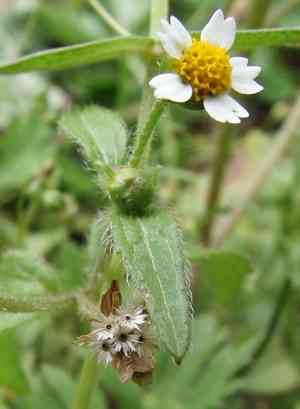
Celebrated for its slender, spear-like foliage and golden blossom groupings, narrowleaf yellowtops thrives with trimming in the latter part of winter or early spring. Essential methods involve shortening aged, elongated stalks to foster energetic fresh development and excising lifeless or ailing limbs to improve air movement. Performing pruning during these intervals corresponds with the plant's developmental rhythm, encouraging more prolific flowering. This routine not only preserves the plant's well-being and form but also stimulates thicker leafage.
What Are the Benefits of Pruning Narrowleaf Yellowtops?
What Are the Benefits of Pruning Narrowleaf Yellowtops?
Trimming narrowleaf yellowtops encourages robust development and maintains its form, ensuring visual appeal and a sound structure. This practice also reduces pest and disease risks, ultimately leading to a more resilient and attractive garden specimen.
What Is the Best Time for Pruning Narrowleaf Yellowtops?
What Is the Best Time for Pruning Narrowleaf Yellowtops?
Pruning narrowleaf yellowtops in early spring or late winter is optimal because this period aligns with the plant's dormant phase. During dormancy, narrowleaf yellowtops is less susceptible to stress and illness, allowing it to recover more efficiently from cuts. This timing also ensures that pruning does not interfere with narrowleaf yellowtops's active growth and flowering periods. By pruning before new growth begins, gardeners can shape the plant effectively without hindering its natural development cycle.
What Tools Do I Need to Prune Narrowleaf Yellowtops?
Bypass Pruners
Perfect for precise, clean cuts on smaller branches and stems due to their delicate nature.
Pruning Shears
Useful for removing dead or excess growth, maintaining plant shape, and focusing on areas needing more detailed work.
Long-Handled Loppers
Suitable for reaching and cutting thicker branches that may occur at higher levels, providing leverage and ease of use.
Pruning Saw
Recommended for removing any larger, older branches that may have become unhealthy, ensuring a clean cut to promote healthy regrowth.
Gloves
Important for protecting hands from any potential irritants or injuries while handling detailed and extensive pruning.
How to Prune Narrowleaf Yellowtops
Inspect
Carefully examine narrowleaf yellowtops to identify any diseased or withered leaves.
Sanitize
Sanitize your pruning tools with a solution of one part bleach to nine parts water to prevent the spread of disease.
Remove Diseased
Trim away any diseased leaves by cutting them off at the base where they attach to the stem. Ensure complete removal to prevent contamination.
Cut Withered
Snip off withered leaves at their point of attachment on the stem. This will stimulate growth and improve plant health.
Dispose
Properly dispose of all pruned materials by sealing them in a bag and discarding them. Do not compost diseased plant material to prevent the spread of pathogens.
Common Pruning Mistakes with Narrowleaf Yellowtops
Improper Technique
One common mistake is using dull or dirty pruning shears. This can damage the plant and create an entry point for diseases. Always ensure your tools are clean and sharp.
Over-Pruning
Removing too much of the plant at once can stress narrowleaf yellowtops and inhibit its growth and flowering. Be cautious not to cut more than 20-30% of the plant at any given time.
Wrong Cuts
Making cuts too close to a node or leaving too much of a stub can harm the plant. Proper technique involves cutting just above a leaf node without leaving an excessively long stub that could die back and invite disease.
Common Pruning Tips for Narrowleaf Yellowtops
Sanitize Tools
Always disinfect pruning tools before and after use to prevent the spread of disease. A simple solution of one part bleach to nine parts water works well.
Cut at an Angle
Make your cuts at a 45-degree angle. This helps to increase the surface area for healing and directs moisture away from the cut to prevent rot.
Moderate Pruning
Focus on removing dead, diseased, or crossing branches first. This helps to improve air circulation and sunlight penetration, promoting healthier growth and more abundant flowering in narrowleaf yellowtops.
Look for Nodes
When pruning, aim to cut just above a node where you want new growth to emerge. This encourages bushier and more vigorous growth from narrowleaf yellowtops.
Monitor Growth
Regularly check narrowleaf yellowtops for any signs of disease or pest infestation. Early intervention with pruning can help manage these issues before they become severe.


