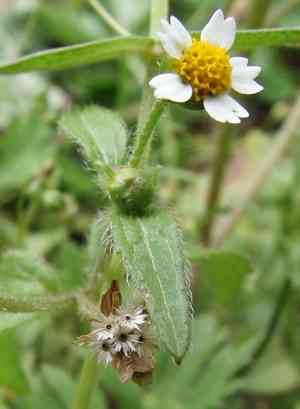
Narrowleaf yellowtops (Flaveria linearis)
Also known as: Yellowtop, Yellow eyes
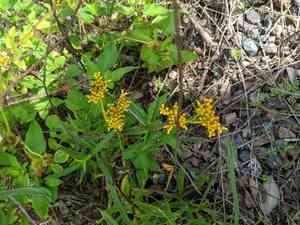
The narrowleaf yellowtops (Flaveria linearis) is a perennial herb notable for its thin, upright stems and narrow, linear leaves. It often features clusters of tiny, yellow flowers. This plant flourishes in sunny, open areas and has adapted to dry conditions, with its narrow leaves helping to conserve water. Known for its slender shape, narrowleaf yellowtops exemplifies resilience in harsh environments.
In This Article
Attributes of Narrowleaf yellowtops
Lifespan
Annual
Plant Type
Herb
Plant Height
30-100 cm
Spread
Not typically measured for herbaceous plants
Leaf Color
Green
Flower Size
1-2 cm
Flower Color
Yellow
Images of Narrowleaf yellowtops
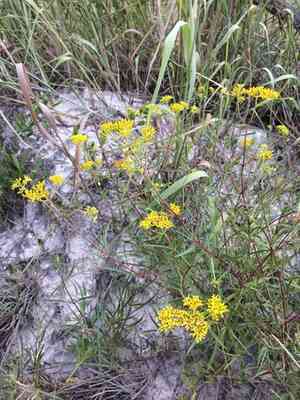
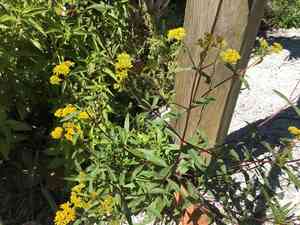
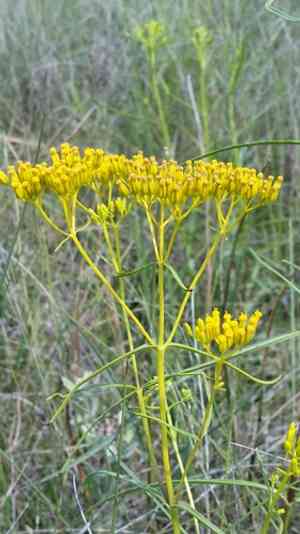
Quickly Identify Narrowleaf yellowtops
1
This plant can be identified by its narrow linear leaves and small yellow flowers that form flat-topped clusters.
Scientific Classification of Narrowleaf yellowtops
Phylum
Vascular plants
Class
Dicotyledons
Order
Asterales
Family
Daisy
Genus
Flaveria
Species
Narrowleaf yellowtops
Planting and Growing of Narrowleaf yellowtops
Care Difficulty
Moderate
Watering Schedule
Every 3 days
Sunlight Requirements
Full sun
Sunshine Duration
4-8 hours
Ideal Temperature
70-85℉
Soil Type
Potting Mix, Peat Mix
Soil pH
6.5-7.5
Fertilizer Type
Balanced
Pruning Season
Spring, Summer
Pruning Area
Branches, Leaves
Pruning Frequency
2 times a year
Repotting Season
Spring
Pot Type
Plastic, Terracotta
 How to Water Narrowleaf yellowtops?
Flaveria linearis prefers a moderate watering approach. Ensure that the soil is moist but not waterlogged by giving it about 200ml of water per session. The soil should feel slightly damp to touch but never soggy, to prevent root rot.
What are the symptoms of an underwatered Narrowleaf yellowtops?
›
What should I do if my Narrowleaf yellowtops is not getting enough water?
›
What are the symptoms of an overwatered Narrowleaf yellowtops?
›
How to save an overwatered Narrowleaf yellowtops?
›
 What Are the Sunlight Requirements for Narrowleaf yellowtops?
Flaveria linearis prospers best in full to partial sun environments, requiring about 6 to 8 hours of daily sunlight. This exposure ensures efficient photosynthesis, which results in vibrant growth and enhances the plant's ability to flourish and resist diseases.
What is the favorite lighting condition for Flaveria linearis?
›
How can I achieve ideal lighting for Flaveria linearis?
›
What benefits does ideal lighting offer to Flaveria linearis?
›
 What Is the Ideal Temperature Range for Narrowleaf yellowtops?
Flaveria linearis thrives best in temperatures ranging from 70°F to 85°F. This range provides the warmth necessary for proper metabolic activities and photosynthesis, ensuring vibrant growth and resilience to mild environmental fluctuations.
 What Soil is Best for Narrowleaf yellowtops?
Flaveria linearis thrives in well-drained soil to prevent root rot. This type of soil allows excess water to drain efficiently, ensuring the roots get enough oxygen and do not become waterlogged, which is essential for healthy growth and vibrant foliage. This plant prefers soil with moderate fertility, providing essential nutrients without overwhelming it. Too rich soil can lead to an overabundance of foliage with less flowering, compromising the plant's aesthetic and natural growth cycle. Aerated soil is crucial for Flaveria linearis as it facilitates the penetration of roots and proper gas exchange. Aeration enhances root health and nutrient uptake, promoting robust growth and resistance to environmental stressors.
 How to Fertilize Narrowleaf yellowtops?
For Flaveria linearis, it's essential not to over-fertilize. A diluted liquid fertilizer, such as 10-10-10, should be applied. Use about half a teaspoon per gallon of water during the growing season. Gradually increase the amount as the plant matures, but keep it light to avoid any nutrient burn which is common with over-fertilization.
 How to Prune Narrowleaf yellowtops?
Start by inspecting your Flaveria linearis for any signs of damaged, diseased, or old leaves. These are the first parts of the plant you will want to remove during pruning. After removing old foliage, focus on trimming back the plant to maintain a balanced shape. This will not only enhance its appearance but also improve air circulation within the plant, reducing the risk of disease. To stimulate new growth, make cuts just above a leaf node. This encourages the plant to produce new shoots and fuller growth, enhancing the overall aesthetic and health of your Flaveria linearis.
More About Pruning Techniques→
 How to Propagate Narrowleaf yellowtops plant?
1
Choose a well-draining soil mix to fill your seedling trays. The soil should be moist but not waterlogged to avoid seed rot and to provide a conducive environment for germination.
2
Select a healthy and mature stem from the Flaveria linearis plant. Use sharp pruners to cut a 4-6 inch stem, ensuring that it has at least two leaf nodes for optimal rooting.
3
Dip the cut end of the stem in a rooting hormone to facilitate faster root development. Plant the cuttings in a prepared tray filled with a suitable soilless mix, and water gently to settle the soil.
 How to Repot Narrowleaf yellowtops plant?
1
Keep an eye on root-bound signs like roots emerging from the pot's drainage hole or a reduction in growth. If the plant seems too large for its pot, spring and summer are ideal repotting seasons.
2
Select a pot one size larger than the current one to encourage growth without overwhelming the roots. Ensure it has adequate drainage holes to prevent waterlogging, a common killer of Flaveria linearis.
3
Opt for a well-draining potting mix tailored for desert plants. This mix ensures adequate aeration and drainage, preventing the roots from sitting in water, which can lead to root rot.


