How to Prune Arrow fimbristyle?
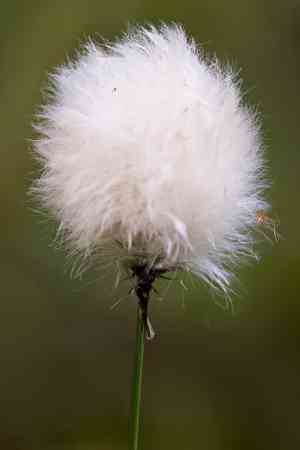
Perfect for marshy habitats, arrow fimbristyle is notable for its grass-like leaves. To preserve its robustness, cut back in early spring or during winter, prior to the emergence of new shoots. Cut back aged, discolored stalks to their base and eliminate any deceased matter to foster robust development. Trimming improves air movement, lowers the chance of illness, and encourages thicker foliage. This practice is especially advantageous for revitalizing mature clusters and preserving an appealing form.
What Are the Benefits of Pruning Arrow Fimbristyle?
What Are the Benefits of Pruning Arrow Fimbristyle?
Trimming arrow fimbristyle promotes robust development, encouraging dense foliage. Strategic cuts help maintain its form and structure, leading to an attractive appearance that signifies good health and vigor.
What Is the Best Time for Pruning Arrow Fimbristyle?
What Is the Best Time for Pruning Arrow Fimbristyle?
Pruning or trimming arrow fimbristyle is most advantageous during early spring and winter, as these periods coincide with the plant's dormant phase. Early spring pruning aids in stimulating new growth as the plant emerges from dormancy, resulting in a healthier and more vigorous plant during the active growing season. Winter pruning is also optimal because the plant's growth is naturally slowed, reducing stress and allowing the gardener to shape the plant without affecting its flowering or fruiting. Adhering to these timing guidelines helps preserve the structural integrity of arrow fimbristyle and enhances its overall health and aesthetic appeal. Pruning outside these recommended seasons might negatively impact blooming or the plant's growth cycle.
What Tools Do I Need to Prune Arrow Fimbristyle?
Hand Pruners
For precise trimming of arrow fimbristyle, hand pruners are ideal. They enable selective cutting of stems and removal of dead material without harming surrounding growth.
Shears
When arrow fimbristyle needs shaping or the removal of multiple stems simultaneously, shears provide a cleaner cut, which is crucial for maintaining plant health and aesthetics.
Gloves
While arrow fimbristyle is not particularly known for thorns or tough stems, wearing gloves can protect hands from moisture and potential skin irritants.
How to Prune Arrow Fimbristyle
Clean tools
Before beginning to prune arrow fimbristyle, clean and sterilize pruning tools to prevent disease transmission. Use a bleach and water solution or rubbing alcohol to wipe down the blades.
Identify target
Thoroughly inspect arrow fimbristyle to identify diseased and withered leaves, which are typically brown, yellow, or spotted, and differentiate them from healthy foliage.
Cut diseased
Using sterilized pruning shears, carefully trim off diseased leaves at their base where they connect to the stem, being careful not to damage adjacent healthy leaves.
Remove withered
Proceed to remove withered leaves from arrow fimbristyle by cutting them at their point of origin to promote better air circulation and light penetration for the remaining healthy parts.
Dispose trimmed
Collect and properly dispose of trimmed diseased and withered leaves, keeping them away from arrow fimbristyle to prevent any potential spread of disease to other plants.
Common Pruning Mistakes with Arrow Fimbristyle
Over-pruning
Removing too much foliage from arrow fimbristyle in a single pruning session can stress the plant, leading to reduced vigor or even death.
Improper cuts
Making jagged or torn cuts on arrow fimbristyle can introduce pathogens and pests. Clean, angled cuts are essential for the plant's health.
Pruning too early
Cutting back arrow fimbristyle before it has fully matured may hinder the development of its characteristic growth form.
Ignoring dead material
Failing to remove dead or diseased material from arrow fimbristyle can impede healthy growth and potentially spread disease.
Using unclean tools
Not sanitizing pruning tools before use on arrow fimbristyle risks spreading disease among plants.
Neglecting to shape
Without occasional shaping, arrow fimbristyle can grow unevenly, which might not be aesthetically pleasing in a garden setting.
Common Pruning Tips for Arrow Fimbristyle
Clean and sharp tools
Use sanitized, sharp pruning shears to make clean cuts that will heal quickly, minimizing stress on arrow fimbristyle.
Prune for health
Regularly remove dead, diseased, or damaged foliage to maintain the health and appearance of arrow fimbristyle, fostering robust growth.
Minimal pruning
Since arrow fimbristyle is a naturally compact plant, only light pruning is necessary to maintain shape and encourage bushiness.
Rejuvenation pruning
For older arrow fimbristyle plants, slightly harder pruning can be used to rejuvenate and stimulate new growth, but avoid cutting back more than one-third of the plant.
Post-flowering cuts
Prune arrow fimbristyle after it has flowered to tidy up the plant and potentially encourage a second bloom in some climates.
Observe before cutting
Assess the natural form of arrow fimbristyle before pruning to ensure that the plant's characteristic shape is maintained.



