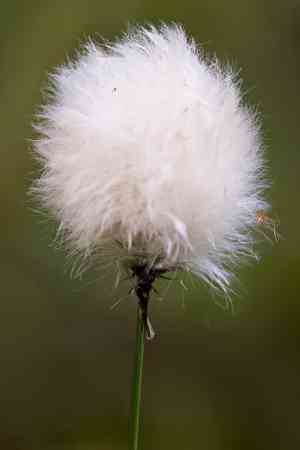
Arrow fimbristyle (Fimbristylis ovata)
Also known as: No known aliases
Arrow fimbristyle (Fimbristylis spp.) is a perennial sedge that resembles grass and features sleek, green leaves emanating from a rounded base. Thin, upright stems rise from the center, culminating in clusters of brownish spikelets. The plant's fibrous root system is instrumental in stabilizing wetland soils and enhancing water filtration. Its ability to flourish in various wetland conditions underscores its importance in supporting and maintaining healthy aquatic environments.
In This Article
Attributes of Arrow fimbristyle
Lifespan
Perennial
Plant Type
Grass
Plant Height
10 to 60 cm
Spread
N/A
Leaf Color
Green
Flower Size
Approximately 1 to 2 mm
Flower Color
Yellow Green
Images of Arrow fimbristyle
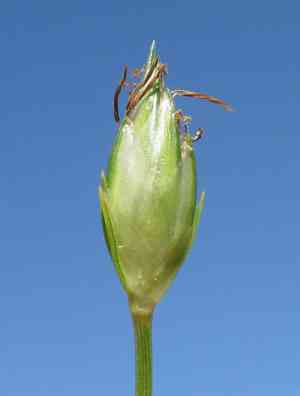
Quickly Identify Arrow fimbristyle
1
Fimbristylis ovata can be identified by its slender, tufted stems that are typically 10 to 60 cm tall. The leaves are basal, narrow, and grass-like with a rough texture. The inflorescence consists of a globose cluster of spikelets, each containing multiple tiny flowers.
Scientific Classification of Arrow fimbristyle
Phylum
Vascular plants
Class
Monocotyledons
Order
Poales
Family
Sedge
Genus
Fimbry
Species
Arrow fimbristyle
Planting and Growing of Arrow fimbristyle
Care Difficulty
Easy
Watering Schedule
Every 2 days
Sunlight Requirements
Partial sun
Sunshine Duration
4-8 hours
Ideal Temperature
68-77℉
Soil Type
Potting Mix, Peat Mix
Soil pH
6.5-7.5
Fertilizer Type
Balanced
Pruning Season
Spring, Summer
Pruning Area
Branches, Leaves
Pruning Frequency
2 times a year
Repotting Season
Spring
Pot Type
Terracotta, Plastic
 How to Water Arrow fimbristyle?
When watering Fimbristylis ovata, ensure the soil is moistened evenly to a depth of around 5cm. This allows the water to reach the root zone without oversaturating the soil. Stick to about 250ml per watering session for a typical pot size.
What are the symptoms of an underwatered Arrow fimbristyle?
›
What should I do if my Arrow fimbristyle is not getting enough water?
›
What are the symptoms of an overwatered Arrow fimbristyle?
›
How to save an overwatered Arrow fimbristyle?
›
 What Are the Sunlight Requirements for Arrow fimbristyle?
Fimbristylis ovata does well in partial sun, typically receiving around 3-6 hours of sunlight daily. This exposure supports healthy leaf color and growth while preventing sun damage.
How much sun does Fimbristylis ovata need?
›
How can I ensure ideal lighting conditions?
›
What are the benefits of ideal lighting?
›
 What Is the Ideal Temperature Range for Arrow fimbristyle?
The ideal temperature range for Fimbristylis ovata is between 68°F and 77°F. This range provides optimal conditions for growth, ensuring adequate metabolic and physiological functions, crucial for photosynthesis and nutrient uptake.
 What Soil is Best for Arrow fimbristyle?
Fimbristylis ovata thrives in well-drained soil, which ensures that the roots receive adequate oxygen and prevents root rot. Healthy roots support vigorous growth and enhance the plant's overall health. A nutrient-rich substrate is vital for Fimbristylis ovata to reach its full potential. Essential nutrients available in the soil lead to robust growth and resistance against diseases and pests. Maintaining moderate moisture levels in the soil helps Fimbristylis ovata sustain optimal growth. This balance avoids stress on the plant from either drought conditions or waterlogging.
 How to Fertilize Arrow fimbristyle?
The recommended amount of fertilizer for Fimbristylis ovata is modest. Liquid fertilizers should be applied at half the strength suggested for most house plants to avoid over-fertilization. For slow-release granules, a sparse sprinkle across the soil surface is sufficient, ensuring not to overwhelm the plant's root system.
 How to Prune Arrow fimbristyle?
Fimbristylis ovata is a robust and tufted sedge species that grows predominantly in wetlands. Regular pruning maintains the plant's neat appearance and prevents it from becoming invasive. Pruning stimulates new growth and helps the plant maintain its healthy, lush form. By encouraging denser foliage, pruning ensures that Fimbristylis ovata continues to thrive and enhance its natural environment. When left unchecked, the plant may become leggy or straggly, thus losing its aesthetic appeal and ecological function. To prune Fimbristylis ovata, first, assess the plant for any brown or dead leaves which should be removed immediately to improve appearance and health. Use sharp and clean pruning shears to trim back the foliage. Focus on cutting back any stems that are overly long or appear unhealthy. Trim the plant's edges for a tidy look, ensuring you do not cut more than one-third of the plant at a time to prevent stress. Always prune early in the day or late afternoon to avoid exposure of the fresh cuts to the harsh midday sun, as this can cause undue stress to the plant.
More About Pruning Techniques→
 How to Propagate Arrow fimbristyle plant?
1
Fill the seed tray with potting mix, ensuring it is even and lightly compacted. This will provide a stable base for your seeds to germinate and grow. Avoid over-packing, which can restrict root growth.
2
Sprinkle the Fimbristylis ovata seeds evenly over the surface of the prepared tray. Cover lightly with a thin layer of potting mix to protect them while allowing light penetration.
3
Gently water the seed tray, ensuring the soil is moist but not waterlogged. Place the tray in a warm, sunny location and maintain consistent moisture until germination occurs.
 How to Repot Arrow fimbristyle plant?
1
Fimbristylis ovata shows signs of needing repotting when its roots begin to circle the pot, or the plant seems outgrowing its current container. Proper timing is crucial; look for these signs in early spring or summer for best results.
2
Select a pot only slightly larger than the current one, with drainage holes at the bottom. This prevents waterlogging and provides sufficient space for root expansion, promoting healthy growth and preventing rot.
3
Opt for a well-draining, sandy soil mix to mimic its natural habitat. This type of soil reduces the risk of water retention, which can lead to root rot, and encourages aeration, fostering a healthier root system.



