How to Prune Fimbry?
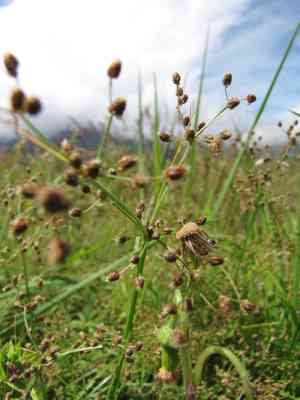
This enduring sedge flourishes in damp conditions, featuring grass-like leaves. For fimbry, trimming entails severing deceased or excessively grown foliage down to the soil level to stimulate more robust development. The most suitable periods for pruning extend from spring to autumn, aiming to manage expansion and preserve visual appeal. Pruning is essential for guaranteeing plant health, as it hinders self-propagation and limits dispersion. This task can be performed intermittently when the foliage looks disheveled or following blooming to enhance the plant's strength and look.
What Are the Benefits of Pruning Fimbry?
What Are the Benefits of Pruning Fimbry?
Trimming fimbry promotes robust development and maintains its desired form. Regular cutting back helps revitalize the plant, ensuring it remains healthy and visually appealing within its landscape setting.
What Is the Best Time for Pruning Fimbry?
What Is the Best Time for Pruning Fimbry?
Pruning and trimming fimbry during Spring is ideal as it's the onset of its growth cycle, allowing the plant to recover and produce new growth vigorously. Summer is also suitable because fimbry can continue to grow actively, and shaping can be done without stressing the plant. In addition, any dead or diseased foliage can be removed before potential summer diseases spread. Trimming fimbry in the Fall is beneficial as it helps prepare the plant for dormancy, reducing the energy expended on maintaining unnecessary foliage, and mitigates the risk of winter damage. However, late Fall pruning should be avoided to prevent new growth that could be damaged by cold weather. These seasons ensure the health and sustainability of fimbry while preventing the shock that winter pruning may cause, aligning with the natural growth cycle and seasonal adaptations of the plant.
What Tools Do I Need to Prune Fimbry?
Hand Pruners
Fimbry is a grass-like plant; therefore, sharp hand pruners are ideal for cutting through its slender stems without causing unnecessary damage to the plant.
Grass Shears
Since fimbry has characteristics similar to that of grass, grass shears are perfect for trimming edges and ensuring a neat, orderly appearance.
Pruning Gloves
When handling fimbry, it is advisable to wear pruning gloves to protect oneâs hands and ensure a good grip of the pruning tools.
How to Prune Fimbry
Clean tools
Before pruning fimbry, sterilize the pruning shears with alcohol to prevent the spread of disease.
Identify
Inspect fimbry for withered leaves, which are typically brown, dry, and may be curled or drooping.
Cut withered leaves
Using the sterilized shears, carefully snip the withered leaves at the base where they meet the stem or the soil, avoiding damage to healthy tissue.
Dispose
Collect and dispose of the trimmed withered leaves in a manner that prevents the spread of any potential pests or diseases.
Care post pruning
Monitor the health of fimbry post-pruning, ensuring proper watering and lighting conditions to stimulate healthy new growth.
Common Pruning Mistakes with Fimbry
Over-Pruning
Removal of too much foliage can stress fimbry, leading to poor growth or susceptibility to disease.
Wrong Technique
Using dull tools or making jagged cuts can damage stems and foliage, hindering fimbry's ability to heal and regrow.
Pruning Healthy Growth
Unnecessarily cutting away healthy stems can result in reduced vigor and stunted development for fimbry.
Ignoring Dead Foliage
Failing to remove dead or damaged foliage can invite pests and diseases, affecting the overall health of fimbry.
Common Pruning Tips for Fimbry
Sharp Tools
Always use sharp, clean pruning tools to make clean cuts that will heal rapidly, minimizing stress on fimbry.
Selective Pruning
Focus on removing only the dead or overgrown portions to maintain fimbry's natural shape and promote air circulation.
Conservativeness
Prune sparingly, ensuring not to remove more than one-third of fimbry's growth to avoid shock and stress.
Timing
While the best season is excluded, pruning should be done in response to the plant's lifecycle and visual cues rather than on a rigid schedule for fimbry.
Post-Pruning Care
After pruning, provide fimbry with adequate water and nutrients to support recovery and regrowth.



