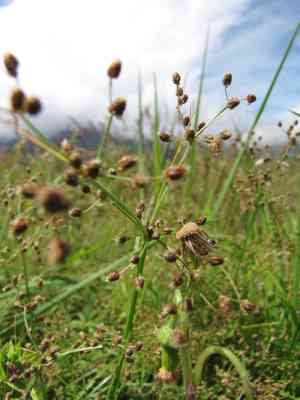
Fimbry (Fimbristylis littoralis)
Also known as: Littoral Fimbry
Barnyard grass (Echinochloa crus-galli) is a troublesome weed often found in rice paddies worldwide. Known for its dense growth and abundant seed production, it poses significant challenges to agriculture due to its invasive nature.
In This Article
Attributes of Fimbry
Lifespan
Annual
Plant Type
Grass
Plant Height
5 cm to 70 cm
Spread
N/A
Leaf Color
Green
Flower Size
6 cm to 10 cm
Flower Color
Yellow Green Purple Brown
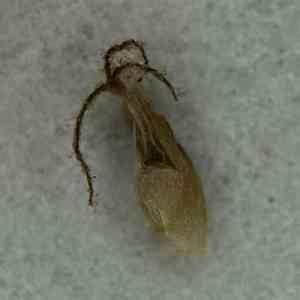
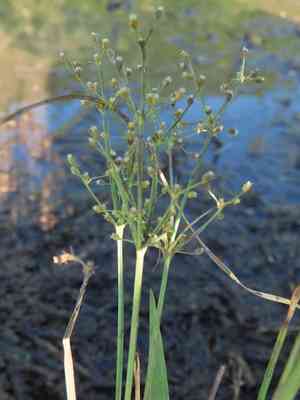
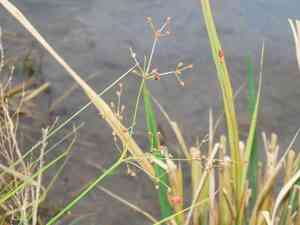
Images of Fimbry

Quickly Identify Fimbry
1
This plant can be identified by its grass-like appearance, slender stems, and spikelets that are clustered at the tips of the stems. The leaves are narrow and arranged at the base.
Scientific Classification of Fimbry
Phylum
Vascular plants
Class
Monocotyledons
Order
Poales
Family
Sedge
Genus
Fimbry
Species
Fimbry
Planting and Growing of Fimbry
Care Difficulty
Easy
Watering Schedule
Every 8 days
Sunlight Requirements
Full sun
Sunshine Duration
6-10 hours
Ideal Temperature
75-85℉
Soil Type
Potting Mix, Peat Mix
Soil pH
6-8
Fertilizer Type
Balanced
Pruning Season
Spring, Summer
Pruning Area
Branches, Leaves
Pruning Frequency
2 times a year
Repotting Season
Spring
Pot Type
Plastic, Ceramic
 How to Water Fimbry?
Fimbristylis littoralis enjoys consistently moist soil, typical of marsh plants. Water it thoroughly until the top layer of soil is visibly moist, and water begins to drain from the bottom of the container. Each session should provide around 300 milliliters; adjust accordingly to environmental conditions.
What are the symptoms of an underwatered Fimbry?
›
What should I do if my Fimbry is not getting enough water?
›
What are the symptoms of an overwatered Fimbry?
›
How to save an overwatered Fimbry?
›
 What Are the Sunlight Requirements for Fimbry?
Fimbristylis littoralis prefers morning light and tolerates partial sun. Optimal light exposure encourages robust growth, lush foliage, and an overall healthier plant structure.
What is the best type of light for Fimbristylis littoralis?
›
How can you ensure ideal lighting conditions?
›
What benefits does ideal sunlight provide?
›
 What Is the Ideal Temperature Range for Fimbry?
Fimbristylis littoralis thrives best in temperatures ranging between 75°F and 85°F. This range provides the warmth necessary for optimal metabolic and physiological processes, ensuring vigorous growth and robust plant health. Maintaining these temperatures helps in fostering a conducive environment for nutrient uptake and overall plant resilience.
 What Soil is Best for Fimbry?
Fimbristylis littoralis thrives in soil that retains moisture well. This helps the plant maintain its health and vitality, as consistent moisture is crucial for its growth. Rich, fertile soil is essential for optimal growth. Nutrient availability enhances the plant's ability to produce lush foliage and flowers, contributing to its overall vigor. Although the plant enjoys moisture, the soil must also have good drainage to prevent root rot. Well-draining soil ensures that water does not stagnate, promoting healthier root systems.
 How to Fertilize Fimbry?
For Fimbristylis littoralis, the amount of fertilizer should be mindful and balanced. Use a diluted liquid fertilizer at half the recommended strength, about 1 tablespoon per gallon of water, applied gently to avoid root burn. This ensures the plant gets adequate nutrients without overwhelming its systems.
 How to Prune Fimbry?
Fimbristylis littoralis grows in clumps. Before pruning, observe the plant's natural growth pattern to ensure you maintain its desired shape and encourage natural spreading without inhibiting new growth. When trimming, always cut just above a node or a set of leaves. This encourages new growth from the node, resulting in a fuller and more lush appearance. Avoid cutting too far down the stem, which can hinder growth. Pruning isn't just about removing dead material - it's also about shaping the plant. Aim to create a balanced, aesthetically pleasing form while cutting back any overly long or stray stems to bring harmony to its appearance.
More About Pruning Techniques→
 How to Propagate Fimbry plant?
1
Fill the seed tray with a sterile, well-draining potting mix. Moisten the soil lightly to provide an ideal environment for seed placement. Ensure the soil surface is even and free from large clumps.
2
Scatter the seeds evenly over the soil surface in the seed tray. Lightly press them into the soil without covering them completely, as Fimbristylis littoralis seeds require light for germination.
3
Regularly mist the seed tray to keep the soil moist, but not waterlogged. Cover the tray with a transparent lid or plastic wrap to retain humidity, ensuring the seeds stay hydrated during the germination process.
 How to Repot Fimbry plant?
1
Fimbristylis littoralis should be repotted when its roots start to circle the pot or emerge from the drainage holes. These signs indicate that the plant has outgrown its current pot, requiring more space for optimal growth. Additionally, if the soil becomes compacted or loses its drainage ability, it's time to consider repotting to promote healthy root development.
2
Select a pot slightly larger than the current one, ideally one size up, to allow room for growth. Ensure it has adequate drainage holes to prevent waterlogging, which can damage the roots. A terracotta pot is an excellent choice as it is breathable, helping to regulate moisture levels and preventing root rot while providing stability for the plant.
3
Opt for well-draining sandy loam soil to ensure excellent moisture regulation and aeration. This soil type mimics the plant's natural habitat, providing stability and essential nutrients for growth. Additionally, it reduces the risk of water retention, helping to prevent root rot and other water-related plant issues.



