How to Prune Slender fimbry?
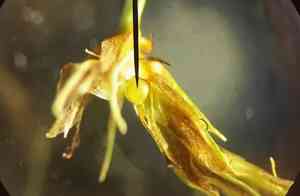
A perennial sedge, slender fimbry is primarily recognized for its clustered development and flourishes with infrequent trimming to preserve its form and stimulate fresh development. Optimal trimming should take place between spring and autumn, aligning with periods of vigorous growth. Cutting back withered or superfluous leaves improves air movement and the plant's well-being. This procedure ought to be uncomplicated, concentrating on eliminating only what is essential to avert excessive density, thus warding off ailments and fostering vigor. No specialized implements are needed beyond typical gardening shears.
What Are the Benefits of Pruning Slender Fimbry?
What Are the Benefits of Pruning Slender Fimbry?
Trimming slender fimbry promotes robust development and maintains its desired form. Regular cutting helps reallocate energy to healthier sections, fostering a denser and stronger structure.
What Is the Best Time for Pruning Slender Fimbry?
What Is the Best Time for Pruning Slender Fimbry?
Pruning slender fimbry during Spring, Summer, and Fall aligns with its active growth periods, facilitating healthier regrowth and ensuring the plant remains vigorous. Spring pruning helps invigorate slender fimbry after the dormant winter, setting the stage for robust growth. Summer trimming is ideal for shaping the plant and removing any weak or damaged parts that may have developed, enhancing light penetration and air circulation within the plant. Fall pruning prepares slender fimbry for winter by removing dead or excess foliage, which can reduce the risk of disease and pest infestations.
What Tools Do I Need to Prune Slender Fimbry?
Hand Pruners or Snips
Perfect for shaping and trimming slender fimbry due to their accuracy and ability to make clean cuts on small stems, which aids in promoting healthier growth and preventing harm.
Garden Shears
Appropriate for quickly and effectively cutting back larger sections of slender fimbry, especially during their dormant period, for a neat look and to encourage new growth in the spring.
How to Prune Slender Fimbry
Identify
Locate the withered or dead leaves on slender fimbry. These will typically appear brown and dry compared to the healthy, green parts.
Sanitize
Before beginning the pruning process, disinfect your pruning shears or scissors with alcohol to prevent the spread of diseases.
Cut
Carefully snip the withered leaves at their base, close to the stem. Ensure you do not pull or tug to avoid damaging the healthy parts of slender fimbry.
Dispose
Properly discard the removed leaves to prevent any potential disease from spreading in your garden area.
Inspect
After pruning, examine slender fimbry to ensure no damaged or diseased leaves remain, which could affect its growth and health.
Common Pruning Mistakes with Slender Fimbry
Overpruning
A common error is removing too much foliage from slender fimbry, which can stress the plant and lead to poor growth and reduced vigor. Slender fimbry benefits from a more conservative approach to ensure energy is not overly depleted.
Incorrect tool use
Using dull or unsuitable tools can harm the stems of slender fimbry, leading to jagged cuts that invite pests and diseases. Ensuring tools are sharp and appropriate for the size and structure of slender fimbry's foliage is crucial.
Disregarding plant health
Pruning slender fimbry when it is already stressed or diseased can further weaken it. It's essential to assess the overall health of slender fimbry before deciding to prune, to avoid exacerbating any existing issues.
Common Pruning Tips for Slender Fimbry
Timing sequences
For slender fimbry, sequential timing in pruning is key to maintaining shape and health. Light, regular trimming rather than infrequent severe cuts helps sustain ongoing vitality and appearance.
Cleanliness
Ensure all pruning equipment used on slender fimbry, such as shears or scissors, is clean and sterilized before and after use. This prevents the spread of disease between plants.
Specific cuts
Make cuts at a 45-degree angle just above a node or a forming bud to encourage slender fimbry to grow in a desired direction and to promote healthy, dense foliage. This technique also helps in efficient healing of the pruned areas.



