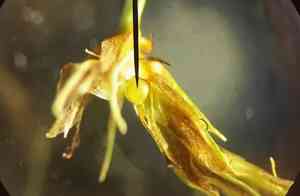
Slender fimbry (Fimbristylis autumnalis)
Also known as: Slender fimbristylis
Slender fimbry, a perennial sedge, thrives in wet, marshy environments like swamps, wetlands, and the edges of ponds and streams. It features slender, upright stems emerging from a fibrous root system, topped with small, brownish flower spikes. Its grass-like leaves and round seed capsules make it noticeable among the fading greenery of autumn, showing resilience to seasonal changes.
In This Article
Attributes of Slender fimbry
Lifespan
Annual
Plant Type
Grass
Plant Height
5 cm to 20 cm
Spread
Not applicable
Leaf Color
Green
Flower Size
Less than 2 mm
Flower Color
Yellow Red Brown
Images of Slender fimbry
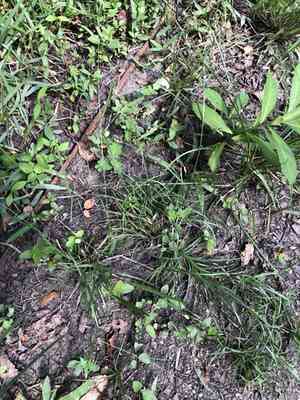
Quickly Identify Slender fimbry
1
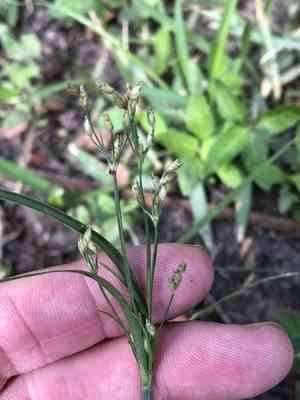
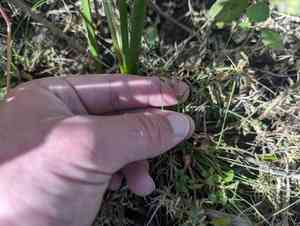
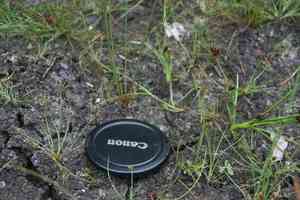
Fimbristylis autumnalis can be identified by its slender, erect stems that grow in clumps, narrow leaves, and small brownish spikelets that form dense clusters at the top of the stems.
Scientific Classification of Slender fimbry
Phylum
Vascular plants
Class
Monocotyledons
Order
Poales
Family
Sedge
Genus
Fimbry
Species
Slender fimbry
Planting and Growing of Slender fimbry
Care Difficulty
Easy
Watering Schedule
Every 2 days
Sunlight Requirements
Full sun
Sunshine Duration
6-10 hours
Ideal Temperature
70-85℉
Soil Type
Potting Mix, Peat Mix
Soil pH
6.5-7.5
Fertilizer Type
Balanced
Pruning Season
Spring, Summer
Pruning Area
Branches, Leaves
Pruning Frequency
2 times a year
Repotting Season
Spring
Pot Type
Ceramic, Plastic
 How to Water Slender fimbry?
Fimbristylis autumnalis, also known as autumn fimbry, thrives well with moderate watering. It is essential to water it such that the soil remains moist but not waterlogged. Ensure that the water reaches the root zone for optimal growth without creating puddles that could promote root rot.
What are the symptoms of an underwatered Slender fimbry?
›
What should I do if my Slender fimbry is not getting enough water?
›
What are the symptoms of an overwatered Slender fimbry?
›
How to save an overwatered Slender fimbry?
›
 What Are the Sunlight Requirements for Slender fimbry?
Fimbristylis autumnalis thrives in full sun to partial sun conditions. This sunlight exposure supports its growth by enhancing photosynthetic efficiency, resulting in lush, green foliage and a stronger, more resilient plant structure.
How much sunlight does Fimbristylis autumnalis need?
›
What are some solutions for obtaining ideal light?
›
What benefits does optimal lighting provide?
›
 What Is the Ideal Temperature Range for Slender fimbry?
For optimal growth, Fimbristylis autumnalis thrives best in temperatures ranging between 70°F and 85°F. This temperature range provides the necessary warmth for vital metabolic processes and healthy cellular function in the plant. Maintaining these temperatures ensures robust growth and resilience against diseases.
 What Soil is Best for Slender fimbry?
Fimbristylis autumnalis thrives in well-drained soils which prevent waterlogging. This is crucial as it allows roots to access oxygen, reducing the risk of root rot and promoting healthy plant growth. A moderately fertile soil ensures that the plant gets enough nutrients without overwhelming it. This balance supports steady growth and helps in producing healthy foliage. While the soil should drain well, retaining some moisture is important for Fimbristylis autumnalis. It helps in maintaining the plant's hydration, especially under harsh sunlight conditions.
 How to Fertilize Slender fimbry?
For Fimbristylis autumnalis, use a balanced liquid fertilizer diluted to half its recommended strength—typically about one tablespoon per gallon of water. For slow-release fertilizer, apply approximately 1 to 2 pounds per 100 square feet. This ensures the plant receives adequate nutrients without the risk of over-fertilization.
 How to Prune Slender fimbry?
Begin by identifying any dead or yellowed leaves, which should be clipped close to the stem using sharp pruning scissors. This prevents the spread of any potential diseases. Next, focus on thinning out any densely packed areas to improve air circulation. Trim away leaves that overlap heavily to prevent shadows that can stunt growth. Always cut at an angle to minimize damage to the plant's tissues and reduce water retention on the cut surface.
More About Pruning Techniques→
 How to Propagate Slender fimbry plant?
1
Fill the seed tray with a fine potting mix up to about 1 inch below the top edge. Lightly press the surface to create an even bed for the seeds. Ensure the mix is moist but not waterlogged to promote successful germination.
2
Scatter the seeds evenly over the prepared potting mix surface. Cover them with a thin layer of the same mix or vermiculite, so they are just barely covered, ensuring they receive enough light for germination.
3
Place the seed tray in a warm location with indirect sunlight. Maintain a temperature between 65-75°F. Keep the potting mix consistently moist using a fine mist spray bottle to avoid displacing seeds. Germination typically occurs within 1-2 weeks.
 How to Repot Slender fimbry plant?
1
Fimbristylis autumnalis needs repotting when you notice roots emerging from the drainage holes or the soil has become overly compacted. Ideally, repot during spring or summer to lower the stress on the plant and encourage quicker recovery in the warmer months.
2
Select a pot with ample drainage holes to ensure excess water can escape, preventing the roots from rotting. Clay or terracotta pots are preferable as they allow moisture and oxygen to move more freely, which is beneficial for this plant’s root health.
3
Opt for a well-draining loamy soil that retains sufficient moisture but also dries out relatively quickly. This characteristic mimics the plant's natural sandy or marshy habitats and supports healthy and robust growth by preventing waterlogged conditions.



