How to Prune Brown woolly fig?
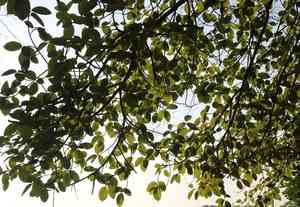
This evergreen tropical tree is recognized for its substantial, fuzzy foliage and palatable produce. Optimal trimming for brown woolly fig entails eliminating deceased or excessively dense limbs to enhance light exposure and airflow, preferably executed in winter when the plant exhibits reduced activity. This period facilitates vigorous growth in spring. Consistent pruning preserves its form and stimulates fruit yield, simultaneously deterring ailments by decreasing leaf density. Always sanitize implements to prevent contamination.
What Are the Benefits of Pruning Brown Woolly Fig?
What Are the Benefits of Pruning Brown Woolly Fig?
Trimming brown woolly fig promotes robust development and maintains its desired form. Regular trimming helps revitalize the plant, ensuring it stays healthy and visually appealing.
What Is the Best Time for Pruning Brown Woolly Fig?
What Is the Best Time for Pruning Brown Woolly Fig?
For brown woolly fig, winter is the ideal period for pruning activities for several reasons. Firstly, brown woolly fig often enters a dormant phase during colder months, slowing its metabolic and growth processes. This dormancy makes the plant less susceptible to pruning stress, allowing for healthier recovery and growth when spring arrives. Additionally, removing branches or stems in winter enables gardeners to better shape the plant, as foliage is typically less dense, offering clearer visibility and access. Winter pruning also helps prevent the spread of diseases, which are less active in cold conditions, thereby protecting brown woolly fig from potential infections.
What Tools Do I Need to Prune Brown Woolly Fig?
Bypass Pruners
Perfect for making precise cuts on smaller branches of brown woolly fig, minimizing harm to plant tissues.
Loppers
Effective for reaching higher branches and cutting through thicker stems that bypass pruners cannot manage, crucial for maintaining the shape and health of brown woolly fig.
Pruning Saw
Essential for cutting through the thickest branches of brown woolly fig, which can be vital during shaping or removing diseased limbs.
How to Prune Brown Woolly Fig
Identify
Inspect brown woolly fig closely to locate all dead and diseased branches. These are typically identified by a lack of leaves, dry or brittle texture, discoloration, or visible signs of fungal infection.
Sanitization
Before beginning the pruning process, disinfect your pruning tools. Clean them with a 10% bleach solution or use rubbing alcohol to prevent disease transmission between plants. This is especially important when removing diseased branches.
Cutting technique
Utilize sharp, clean pruning shears for precise cuts. Trim dead branches back to where they meet healthy wood. For diseased branches, cut at least a few inches into healthy wood beyond the visibly affected areas to ensure all diseased tissue is removed.
Disposal
Properly dispose of the removed branches. Do not compost them as this could allow diseases to spread. Instead, burn them or discard them according to local regulations to prevent reinfection or infestation.
Cleanup
After pruning, clear the area around brown woolly fig to remove any fallen debris or leaves, which could harbor pests or diseases. Finally, clean and oil the pruning tools to maintain them in good condition for future use.
Common Pruning Mistakes with Brown Woolly Fig
Over-pruning
Inexperienced gardeners might remove too much growth in one session, which can stress brown woolly fig, leading to poor development and susceptibility to diseases.
Improper cutting technique
Using dull or dirty pruning tools can harm the branches of brown woolly fig, resulting in jagged cuts that heal poorly and increase the likelihood of pest infestation.
Neglecting plant structure
Failing to consider the natural shape and growth habit of brown woolly fig can result in a visually unappealing and biologically unhealthy plant. This might occur if the gardener prunes without understanding the specific growth patterns of brown woolly fig.
Common Pruning Tips for Brown Woolly Fig
Use sharp, clean tools
Always prune brown woolly fig with sharp and sterilized pruning tools to make clean cuts that heal quickly, minimizing the risk of disease and pest infiltration.
Selective pruning
Focus on removing dead or diseased branches, as well as any that are crossing or growing inward towards the center of brown woolly fig. This opens up the structure, allowing better light penetration and air circulation.
Maintain natural form
When pruning brown woolly fig, aim to preserve its natural shape. This involves subtle thinning of the canopy rather than severe cutting back, which respects the plant's inherent growth pattern and enhances its aesthetic and health.



