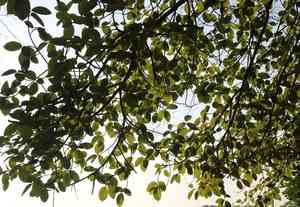
Brown woolly fig (Ficus drupacea)
Also known as: Cluster Fig, Goolar Fig, Indian Fig Tree
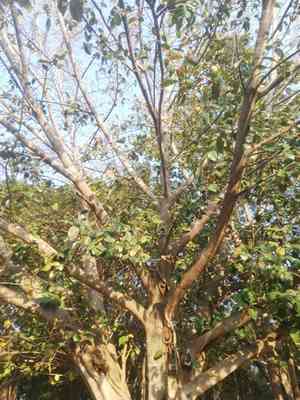
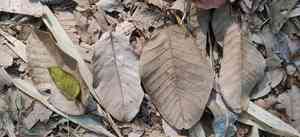
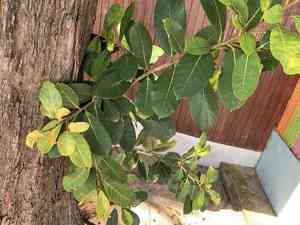
The brown woolly fig (Ficus drupacea) is a hardy evergreen tree native to Southeast Asia. It boasts dark green, leathery leaves with a woolly underside, adding a unique texture. This tree is well-suited to warm, humid climates with plentiful moisture and fertile soil. Its small, round, reddish-brown fruits, similar in appearance to olives, are a key identifying feature and attract a range of wildlife for seed dispersal. The tree's aerial roots and robust trunk highlight its adaptability and strength.
In This Article
Attributes of Brown woolly fig
Lifespan
Perennial
Plant Type
Tree
Plant Height
10-20 meters
Spread
10-30 meters
Leaf Color
Dark Green
Flower Size
No prominent flowers
Flower Color
Not applicable
Images of Brown woolly fig

Quickly Identify Brown woolly fig
1
Ficus drupacea can be identified by its large size, dense and spreading crown, as well as its distinctively large, leathery leaves and small, round figs that grow in clusters.
Scientific Classification of Brown woolly fig
Phylum
Vascular plants
Class
Dicotyledons
Order
Rosales
Family
Mulberry
Genus
Fig trees
Species
Brown woolly fig
Planting and Growing of Brown woolly fig
Care Difficulty
Easy
Watering Schedule
Every 3 days
Sunlight Requirements
Full sun
Sunshine Duration
6-10 hours
Ideal Temperature
65-80℉
Soil Type
Potting Mix, Peat Mix
Soil pH
6.5-7.5
Fertilizer Type
Balanced
Pruning Season
Spring, Summer
Pruning Area
Branches, Leaves
Pruning Frequency
2 times a year
Repotting Season
Spring
Pot Type
Plastic, Ceramic
 How to Water Brown woolly fig?
Ensure you water your Ficus drupacea with approximately 500 milliliters each time. The key is to achieve a balance between keeping the soil moist and not over-saturating the roots. Water thoroughly until water begins to drain from the bottom of the pot.
What are the symptoms of an underwatered Brown woolly fig?
›
What should I do if my Brown woolly fig is not getting enough water?
›
What are the symptoms of an overwatered Brown woolly fig?
›
How to save an overwatered Brown woolly fig?
›
 What Are the Sunlight Requirements for Brown woolly fig?
Ficus drupacea prefers partial to full sunlight exposure which encourages lush growth and vibrant leaf coloration under optimal conditions.
What is the best location for Ficus drupacea?
›
How can you improve light conditions indoors?
›
Benefits of Optimized Light Conditions
›
 What Is the Ideal Temperature Range for Brown woolly fig?
The ideal temperature range for Ficus drupacea lies between 65°F and 80°F. During this range, the plant can maintain optimal growth and metabolic functions. The conditions mimic the warm and humid climate of its native habitat, supporting healthy foliage and robust development.
 What Soil is Best for Brown woolly fig?
Ficus drupacea thrives in well-draining soil, which prevents waterlogging and root rot. This ensures robust root health, promoting overall vigor and growth of the plant. Though not overly demanding, Ficus drupacea benefits from moderate nutrient-rich soil, supporting its lush, green foliage and providing resilience against environmental stresses. Soil with good aeration allows roots to breathe, facilitating their efficient nutrient uptake. This condition supports healthy growth patterns and a strong, sturdy statue.
 How to Fertilize Brown woolly fig?
For Ficus drupacea, a moderate fertilization approach is recommended. Use liquid fertilizer diluted at a quarter to half strength to prevent over-fertilization. An appropriate amount is about 200 to 300 ml of diluted solution per plant every two weeks, ensuring the fertilizer is evenly distributed around the root zone without saturating the soil. Always adjust based on plant response and environmental conditions.
 How to Prune Brown woolly fig?
Begin by trimming back overgrown areas to the desired shape and size. Focus on maintaining a balanced structure, removing any branches that grow inwards or cross over others. This not only keeps the plant aesthetically pleasing but also allows sunlight to reach the inner parts, enhancing growth. Thinning out the canopy by selectively removing some branches can enhance sunlight penetration and air circulation. This helps in improving the overall health and vigor of the Ficus drupacea, making it more resilient to pests and diseases. While it's important to shape and maintain the plant, over-pruning can stress the Ficus drupacea. Remove no more than one-third of the foliage at a time to allow the plant to recover without undue stress.
More About Pruning Techniques→
 How to Propagate Brown woolly fig plant?
1
Choose robust and disease-free stems for cuttings. The selected stems should be semi-hardwood with a green and vibrant appearance, ensuring a higher success rate in root development.
2
Trim the selected stem into a cutting of 10-15 centimeters. Remove the leaves from the lower half, leaving only a few on the top half to reduce water loss and promote root growth.
3
Insert the prepared cuttings into a pot with a well-draining soil mix. The pot should be kept in a location with indirect sunlight, maintaining consistent moisture without being waterlogged.
 How to Repot Brown woolly fig plant?
1
For Ficus drupacea, the ideal time to repot is when you notice roots coming out of the drainage holes, indicative of being root-bound. Another signal is a noticeable slowdown in growth, implying it's time for more room to stretch the roots.
2
Select a pot that is 1-2 inches larger in diameter than the current one. This allows space for root growth without overwhelming the plant. Ensure it has drainage holes to prevent waterlogging, which can lead to root rot.
3
Opt for a well-draining loamy mix that retains some moisture while allowing excess water to escape. This soil type provides essential aeration and nutrients, supporting robust growth and health in Ficus drupacea.



