How to Prune Florida strangler fig?
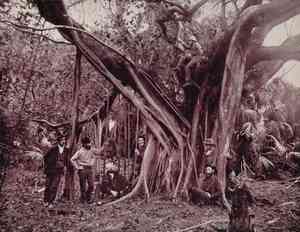
The Florida strangler fig, a robust species, is recognized for its broad crown and propensity to encircle other arboreal specimens. Essential pruning strategies involve judicious thinning to preserve its form and the elimination of any lifeless or ailing limbs. The most favorable period for pruning occurs in winter, a time of reduced plant activity, thereby minimizing strain. Pruning benefits the Florida strangler fig by averting excessive density, improving light access, and potentially boosting fruit yield, concurrently managing its vigorous expansion.
Advantages of Trimming Florida Strangler Fig
Advantages of Trimming Florida Strangler Fig
Trimming florida strangler fig promotes robust development and preserves its intended shape. This prevents excessive growth, ensuring the plant stays healthy and visually appealing within the landscape.
Optimal Period for Trimming Florida Strangler Fig
Optimal Period for Trimming Florida Strangler Fig
These periods are considered ideal because florida strangler fig typically experiences a slower growth phase during this time. Trimming in winter allows the plant to conserve energy and recover from any cuts before the vigorous growth surge anticipated in spring. This timing also minimizes the risk of pest infestation and disease, which are less active in colder weather. Furthermore, pruning after the fruiting cycle ensures the blooming period is not disrupted.
Necessary Tools for Trimming Florida Strangler Fig
Hand Pruners
Essential for making clean cuts on smaller branches of florida strangler fig, typically under 1 inch in diameter, which encourages healthy regrowth.
Lopping Shears
Perfect for cutting through thicker branches, up to 2 inches in diameter, that hand pruners cannot manage, offering leverage and reach.
Pruning Saw
Required for larger limbs of florida strangler fig exceeding 2 inches in diameter, providing the necessary blade length and tooth configuration for efficient cutting without harming the plant.
Pole Pruner
Useful for reaching higher branches of florida strangler fig, combining a saw and lopping shear mechanism, allowing ground-level pruning for safety.
Hedge Shears
Suitable for shaping and maintaining the dense foliage of florida strangler fig, enabling uniform trimming of larger areas with each cut.
Safety Equipment
Includes gloves, safety glasses, and potentially a hard hat, vital for protecting the gardener from injury while trimming florida strangler fig.
How to Trim Florida Strangler Fig
Step1: Evaluate Plant Health for Trimming
Evaluate the overall health and structure of florida strangler fig before commencing the trimming process. This will help determine the extent of trimming required and allow you to identify old roots, withered branches, and yellow leaves that need removal.
Step2: Trimming Tool Preparation
Prepare your trimming tools such as sharp, clean shears or saws. Sterilize the blades with alcohol to prevent disease transmission and wear gloves to protect your hands.
Step3: Trim Damaged or Diseased Roots
Identify old roots that appear damaged or diseased. Trim these roots to prevent potential health issues. Make clean cuts close to the main root mass using a sharp knife or root pruners. Avoid cutting healthy roots, as this could stress or harm florida strangler fig.
Step4: Remove Withered Branches for Growth
Look for withered branches that lack leaves or have a brittle appearance. Trim these branches at the point where they connect to a larger branch or the trunk. Make a diagonal cut just above a growth node or bud to encourage healthy new growth.
Step5: Eliminate Yellow Leaves
Remove yellow leaves, which can indicate overwatering, nutrient deficiencies, or pest problems. Gently trim yellow leaves at the base of their stems, ensuring not to damage adjacent healthy leaves or buds.
Step6: Shape Plant for Light and Air
After trimming the specified parts, shape florida strangler fig by selectively thinning out dense areas to improve light penetration and air circulation. This will help promote the health and vigor of florida strangler fig.
Step7: Clean Up Trimmed Plant Material
Clean up all trimmed material from around florida strangler fig to reduce the risk of pests and diseases. Dispose of the material properly, preferably by composting if the removed parts are disease-free.
Step8: Water and Fertilize After Trimming
Post-trimming, water florida strangler fig deeply and consider applying a balanced, slow-release fertilizer to support recovery and new growth. However, avoid over-fertilization, which can harm florida strangler fig.
Step9: Monitor Plant Post-Trimming
Monitor florida strangler fig after trimming for signs of stress or disease. Pay particular attention to newly cut areas for any unusual signs, such as discoloration or ooze, which could indicate an infection.
Step10: Annual or As-Needed Trimming
Repeat the trimming process annually, or as required, to maintain the health and desired shape of florida strangler fig. Remember, less frequent but thoughtful and strategic trimming is often more beneficial than frequent, heavy-handed cuts.
Post-Trimming Care for Florida Strangler Fig
Post-Trimming Care for Florida Strangler Fig
Immediately after trimming florida strangler fig, water the soil to encourage recovery. Maintain appropriate lightâindirect sunlight is optimal. The ambient humidity should be moderately high; mist florida strangler fig if in a dry environment. Keep temperatures between 60-75°F. Apply a balanced, slow-release fertilizer to support new growth. Monitor florida strangler fig for wilted leaves or oozing sap, indicating stress or infection. If symptoms persist, consult a plant pathologist to assess the need for further treatment.
Common Trimming Errors with Florida Strangler Fig
Avoid Excessive Trimming to Prevent Plant Stress
Excessive trimming can shock florida strangler fig, leading to stress and stunted growth. Removing more than 25-30% of the foliage at once is generally not advised.
Do Not Cut into Old Wood of Plant
Cutting into old wood. Florida strangler fig may not regenerate easily from old wood, so avoid heavy trimming into the woody trunk or main branches unless it is to remove dead or diseased growth.
Use Clean Cuts, Avoid Tearing Branches
Tearing or ripping the branches instead of making clean cuts. This can lead to unnecessary damage and may invite disease.
Sanitize Tools to Prevent Disease Spread
Neglecting to use sanitized tools, which can spread diseases between plants or infect the cuts on florida strangler fig.
Trim with a Purpose to Maintain Plant Health
Trimming without a clear purpose or plan, which can lead to an unbalanced canopy or shape and potentially harm the health of florida strangler fig.
Common Trimming Advice for Florida Strangler Fig
Use Sharp Tools for Precise Cuts on Plant
Use clean, sharp tools to make precise cuts on florida strangler fig. This ensures the cuts heal quickly and reduces the chance of disease.
Remove Dead Branches to Promote New Growth
Remove any dead or dying branches to help direct the plant's energy into producing healthy new growth.
Trim for Structure and Appearance Maintenance
Trim to maintain the structure and appearance of florida strangler fig, focusing on branches that are crossing, rubbing, or those that are out of proportion.
Disinfect Tools to Protect Plant Health
Disinfect trimming tools before and after use on florida strangler fig to prevent the spread of any pathogens.
Cut Above Node for Directed New Growth
Make cuts just above a leaf node or bud when shaping florida strangler fig, as this will encourage new growth in the desired direction.



