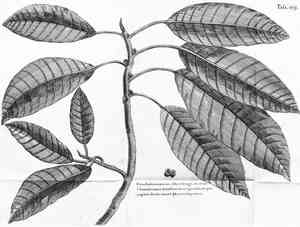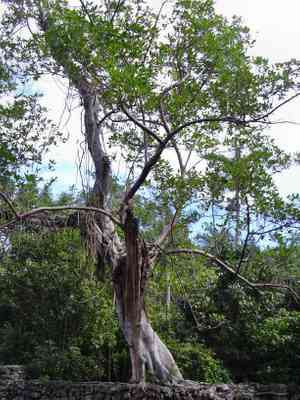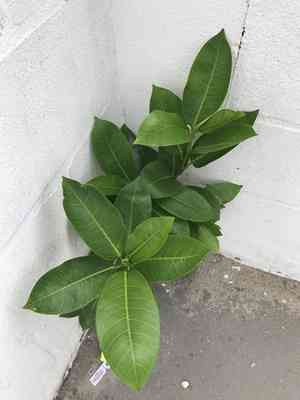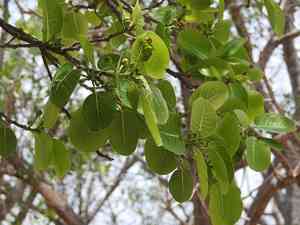
Florida strangler fig(Ficus aurea)

Florida strangler fig (Ficus aurea)

Also known as: Golden fig

The Florida strangler fig, scientifically known as Ficus aurea, is a unique native tree in Florida. Belonging to the mulberry family, it is well-known for its ability to envelop other trees. Among the ten strangler tree species in Florida, it stands out as the sole native one. Its yellow fruits have earned it the nickname "golden fig." Remarkably, this tree can survive for hundreds of years.

Attributes of Florida strangler fig

Lifespan
Perennial
Plant Type
Tree
Plant Height
30 m
Spread
15 m to 21 m
Leaf Color
Green Blue
Flower Size
N/A
Flower Color
White Red

ForwardPlant - Identify plants with a snap

Identify and diagnose plants, get toxicity alerts, and explore safety guides for all types of fungi.

Try for Free

Images of Florida strangler fig

Florida strangler fig(Ficus aurea)

Quickly Identify Florida strangler fig

1
To identify Ficus aurea, look for its distinctive prop roots that often form a network around the base of the tree. The leaves are oblong to elliptical, glossy on top, and lighter underneath. Fruits (figs) are usually small, round, and yellow when ripe.

Scientific Classification of Florida strangler fig

Phylum
Vascular plants
Class
Dicotyledons
Order
Rosales
Family
Mulberry
Genus
Fig trees
Species
Florida strangler fig

Planting and Growing of Florida strangler fig

Care Difficulty
Hard
Watering Schedule
Every 3 days
Sunlight Requirements
Full sun
Sunshine Duration
4-8 hours
Ideal Temperature
65-85℉
Soil Type
Potting Mix, Peat Mix
Soil pH
6.5-7.5
Fertilizer Type
Balanced
Pruning Season
Spring, Summer
Pruning Area
Branches, Leaves
Pruning Frequency
2 times a year
Repotting Season
Spring
Pot Type
Plastic, Ceramic

water icon How to Water Florida strangler fig?

For Ficus aurea, water thoroughly about 500 milliliters each time, ensuring the soil is well-moistened but not soggy. It's crucial that the soil allows excess water to drain to prevent waterlogging.
What are the symptoms of an underwatered Florida strangler fig?
What should I do if my Florida strangler fig is not getting enough water?
What are the symptoms of an overwatered Florida strangler fig?
How to save an overwatered Florida strangler fig?
More About Watering Techniques

sunlight icon What Are the Sunlight Requirements for Florida strangler fig?

Sunlight Requirements: Full sun, Partial sun
Duration of light: 6 to 8 hours daily
Ficus aurea thrives best in locations receiving full to partial sun, translating to 6 to 8 hours daily. Ideal lighting boosts photosynthesis, enhances leaf color, and encourages fruiting, contributing to a vigorous, healthy plant.
What is the ideal sunlight exposure for Ficus aurea?
How can I ensure my Ficus aurea receives the ideal lighting conditions?
What are the benefits of providing ideal lighting for Ficus aurea?
More About Sunlight Requirements Techniques

temperature icon What Is the Ideal Temperature Range for Florida strangler fig?

Ideal Temperature: 65 ~ 85℉
The ideal temperature range for growing Ficus aurea is between 65°F and 85°F. This range provides a suitable environment that mimics the plant's native tropical and subtropical conditions. Adequate warmth supports healthy foliage growth and ensures the plant's metabolic processes function smoothly.

soil icon What Soil is Best for Florida strangler fig?

Soil type: Sandy loam, Loam
Soil PH: 6.5 ~ 7.5
Ficus aurea thrives in well-drained soils that prevent water from accumulating around the roots. Proper drainage helps in oxygenating the root zone and prevents root rot. This results in healthier growth and robust plant structure. This plant benefits from a soil rich in organic matter, providing vital nutrients essential for its vigorous growth. Incorporating compost or mulch can enhance soil fertility, fostering lush foliage and promoting overall vitality. The soil should retain some moisture to support Ficus aurea's growth without becoming waterlogged. Sandy loam is ideal as it balances moisture retention and drainage, contributing to a stable growing environment. More About Soil

fertilize icon How to Fertilize Florida strangler fig?

Fertilizer type: Balanced
For Ficus aurea, ensure that the fertilization amount is adequate yet moderate. While over-fertilizing can lead to harmful build-up symptoms, under-fertilizing might stunt its growth. A typical guideline is to use roughly half the recommended amount stated on the fertilizer package for its size. More About Fertilizing Techniques

prune icon How to Prune Florida strangler fig?

Pruning Time: Spring, Summer, Autumn
Start by trimming the outer branches of the Ficus aurea to maintain its shape. Cut just above a node to encourage new growth that aligns with the plant's natural structure. Cut away any branches that cross over each other. Removing these prevents wounds from rubbing and allows light and air to penetrate through the canopy, which is beneficial for the plant's growth. Inside the plant, thin the canopy by removing some inner branches. This helps to increase air circulation and light penetration, reducing the risk of fungal diseases. More About Pruning Techniques

propagate icon How to Propagate Florida strangler fig plant?

Propagate Time: Early spring,Spring,Summer
1
Select a healthy, non-flowering stem and cut a section about 4-6 inches long. Trim off the lower leaves and dip the cut end into rooting hormone to enhance rooting.
2
Place the prepared cutting in a pot filled with well-draining, moist soil. Water sparingly to maintain humidity, being careful not to overwater, as this can lead to rot.
3
Cover the pot with plastic wrap or a plastic bag to retain moisture. Place the setup in a warm, bright location but away from direct sunlight which can scorch young plants.
More About Propagating Techniques

repot icon How to Repot Florida strangler fig plant?

Repotting frequency: Every 2-3 years
1
Ficus aurea needs repotting when you notice roots growing out of the drainage holes or the plant outgrowing its current pot. You might also see slower growth or reduced water absorption, indicating the soil might be too compacted.
2
Select a pot that’s 1-2 inches larger in diameter than the current one. Ensure it has sufficient drainage holes to prevent waterlogging. A slightly larger pot provides room for growth without overwhelming the plant or causing excessive moisture retention.
3
Opt for well-draining potting soil, ideally one with a mix of perlite and peat. This ensures enough drainage and aeration, reducing the risk of root rot while maintaining adequate moisture for the plant.

ForwardPlant - Identify plants with a snap

Find the best spots for them to optimize their health, simply using your phone.

Try for Free

Toxicity of Florida strangler fig

Is Florida strangler fig toxic to cat?

The Florida strangler fig is known to possess mild toxic properties for cats. Toxicity usually arises when substantial quantities of the plant are consumed. Importantly, the toxic aspect lies in the sap or juice, which can cause problems if ingested by felines. If a cat consumes this plant, it may display general signs of discomfort or distress. Therefore, it is crucial for cat owners to recognize the symptoms indicating potential poisoning and to promptly seek professional veterinary assistance if ingestion of the Florida strangler fig is suspected, thus ensuring optimal health outcomes for their pets.

Is Florida strangler fig toxic to dog?

The Florida strangler fig is regarded as possessing a mild toxicity level for dogs. Canines may be at risk of poisoning from this plant mainly if they ingest it in significant quantities. The sap and juice are the toxic components of the Florida strangler fig that may lead to harmful reactions when consumed. Symptoms of potential poisoning can manifest as gastrointestinal distress, including vomiting or diarrhea, as well as possible skin irritation upon contact with the sap. It is vital for dog owners to keep a close watch on their pets and deter them from consuming substantial amounts of Florida strangler fig. Should a dog ingest Florida strangler fig and show signs of poisoning, it is imperative to seek immediate veterinary assistance to safeguard the animal's health and well-being.

Identify toxic plants for your safety

Learn which plants are harmful to you and your pets, and make informed choices for a safer home!

Try for Free
WARNING
The judgment on toxicity and danger is for reference only. We DO NOT GUARANTEE any accuracy of such judgment. Therefore, you SHALL NOT rely on such judgment. It is IMPORTANT TO SEEK PROFESSIONAL ADVICE in advance when necessary.
More About Toxic Techniques