How to Prune Nodding fescue?
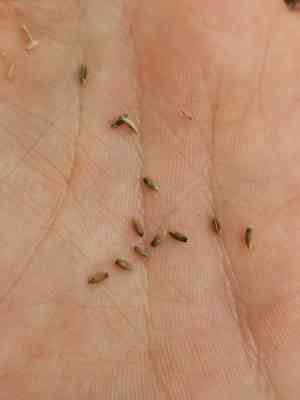
Recognized for its clustered development and delicate foliage, nodding fescue flourishes with infrequent trimming. The most effective time for pruning is in early spring or late winter to eliminate deceased leaves and preserve the plant's well-being. This schedule stimulates robust spring development and averts strain during inactive phases. Trimming improves air circulation and light exposure, which are vital for nodding fescue's general strength and visual appeal. Discard trimmed matter to lower the chance of illness.
Advantages of Trimming Nodding Fescue
Advantages of Trimming Nodding Fescue
Trimming nodding fescue promotes robust development and maintains its attractive shape. Regular cutting helps redirect energy to healthy shoots, boosting overall vigor and keeping its look neat and appealing.
Optimal Time for Trimming Nodding Fescue
Optimal Time for Trimming Nodding Fescue
Trimming nodding fescue in early spring is advised as it encourages strong growth by removing any dead or damaged foliage accumulated over winter. This timing allows the plant to direct its energy into producing healthy new growth as the growing season begins. Winter pruning is also ideal for nodding fescue, especially towards the end of the season, as it helps maintain the plant's form and health while dormant. This minimizes stress on nodding fescue, ensuring it is ready to flourish in the subsequent growing season.
Tools Required for Trimming Nodding Fescue
Hand Shears
Hand shears are perfect for shaping and trimming nodding fescue due to their accuracy and ease of use. They enable precise cuts and help maintain the plant's health by allowing clean cuts that heal quickly.
Scissors
Specialized garden scissors are suitable for removing dead or overgrown foliage from nodding fescue. This is particularly useful for detailed trimming and helps maintain the grass's neat appearance and health.
Pruning Saw
For larger, tougher sections of nodding fescue that may need removal, a pruning saw can be effective. Though not frequently needed, it's useful for cutting back more substantial or woody stems that hand shears cannot manage.
How to Trim Nodding Fescue
Identify
Locate and assess the diseased and withered leaves on nodding fescue. Carefully inspect each clump for any signs of discoloration, wilting, or damage.
Prepare
Gather the necessary tools for trimming. Use sharp, clean pruning shears. Sanitize the blades with rubbing alcohol or a bleach solution to prevent disease transmission.
Cut
Carefully snip off the diseased and withered leaves at their base, near the crown of nodding fescue. Ensure cuts are clean and avoid yanking leaves to prevent harm to healthy parts.
Dispose
Properly discard the removed leaves. Do not compost diseased material as it may harbor pathogens that can spread to other plants. Use a sealed bag or burn the debris if permitted.
Monitor
Regularly observe nodding fescue after trimming. Check for new growth and additional signs of disease or wilting. Consistent monitoring helps maintain the plant's health and appearance.
Common Trimming Errors with Nodding Fescue
Over-trimming
A common error when trimming nodding fescue involves removing too much foliage at once, which can stress the plant and hinder its growth. Aim to trim no more than one-third of the plant in a single session.
Incorrect cut placement
Cutting on the wrong part of the plant can lead to damage. For nodding fescue, cuts should be made just above the leaf nodes and at an angle, promoting better healing and regrowth.
Using dull tools
Employing unsharpened or rusty trimming tools can harm the plant tissues of nodding fescue, resulting in frayed cuts that heal poorly and increase susceptibility to diseases.
Neglecting plant health
Attempting to trim nodding fescue when it is unhealthy (e.g., suffering from pest infestation or disease) can further weaken the plant. Trimming should be postponed until the plant has recovered.
General Trimming Advice for Nodding Fescue
Timing
While specific seasons for trimming are not detailed here, ensure the trimming is timely, aligned with the plant's natural growth and dormancy cycles to encourage vigorous growth without seasonal specifics.
Precision
When trimming nodding fescue, make accurate cuts to remove only the essential parts of the plant. Focus on dead or weak stems, identifiable by their lack of growth or significant wear.
Cutting technique
Use sharp, clean pruning shears for nodding fescue. Make smooth cuts at a 45-degree angle about 1/4 inch above a bud facing the outside of the plant, which encourages outward growth and prevents crowding at the center.
Post-trimming care
Following trimming, adequate care is vital. Ensure nodding fescue is well-watered and consider applying a balanced, slow-release fertilizer to support recovery and robust growth. Avoid fertilizing immediately after trimming to prevent stressing the plant.



