How to Propagate Nodding fescue?
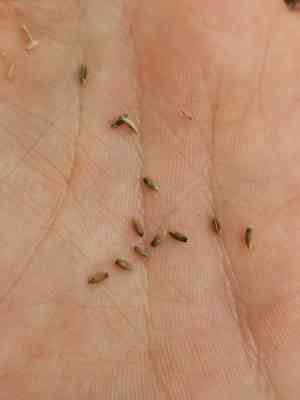
Nodding fescue thrives most effectively when reproduced via separation. Cultivators ought to meticulously divide the plant's root masses to foster successful integration into new locations. This technique facilitates swift and efficient dissemination, preserving the plant's well-being and robustness. It is essential to manage the roots delicately and confirm that each segment possesses sufficient roots to sustain development.
When Is the Optimal Time to Propagate Nodding Fescue?
Propagation Method
Division
Propagation Period
Spring,Autumn
What Tools Are Used for Nodding Fescue Propagation?
Spade or digging fork
These implements are crucial for carefully extracting nodding fescue from the ground with minimal harm to its root structure. The sharp, flat edge of a spade or the tines of a digging fork allow precise control when digging around the plant, ensuring roots are not severed more than necessary. Proper use of these tools helps maintain the integrity of root clumps, which is vital for successful Division, facilitating easier and more effective separation.
Garden shears or knife
Utilized for making clean cuts through the roots of nodding fescue during Division. A sharp knife or shears ensure that the cuts are neat and not ragged, which is essential for the plant's health. Clean cuts reduce the risk of infection and stress to the plant, promoting quicker recovery and growth after propagation.
Rooting hormone
While not always essential, applying a rooting hormone can boost the success rate of propagation by Division. A small amount of rooting hormone applied to the freshly cut roots of nodding fescue can stimulate faster root development and stronger initial growth. This is particularly advantageous when propagating smaller or more delicate divisions.
Watering can with a fine rose
Ensures that nodding fescue receives a gentle, even watering after Division, which is crucial for helping the newly planted divisions establish. A fine rose attachment on the watering can helps distribute water softly over the soil, preventing disturbance of the freshly planted sections and providing the necessary hydration to aid in their recovery and growth.
How to Propagate Nodding Fescue?
Propagation Type
Easy
How to Care for Your Newly Propagated Nodding Fescue?
How to Care for Your Newly Propagated Nodding Fescue?
Post Propagation Care: Continue to irrigate nodding fescue regularly to keep the soil moderately damp, especially during dry spells. Avoid excessive watering to prevent root rot. Place the plants in an area that receives full sun to partial shade. Fertilization isnât necessary immediately after propagation, but applying a balanced fertilizer in the subsequent growing season can promote healthier growth. Monitor for pests and diseases, treating as needed while avoiding chemical treatments that could harm young plants.
Common Mistakes to Avoid When Propagating Nodding Fescue
Overwatering
Excessive moisture can lead to root rot in nodding fescue, which is detrimental as the species requires well-drained soil to thrive.
Deep planting
Planting nodding fescue's seeds or divisions too deeply can hinder germination and root development, stressing the plant's growth.
Crowding
Overcrowding nodding fescue's seeds or young plants can impede their access to adequate light and air circulation, leading to weaker plants and increased susceptibility to disease.
Tips For Propagating Nodding Fescue
Soil preparation
Ensure that the soil is loose and well-draining. Adding organic matter can improve drainage and provide nutrients beneficial for nodding fescue's growth.
Proper planting depth
Sow seeds or place divisions of nodding fescue shallowly, as they require light for optimal germination and root establishment.
Adequate spacing
Maintain sufficient space between planted seeds or divisions of nodding fescue to ensure adequate light exposure and air circulation, which promotes healthier growth and reduces disease risk.



