How to Prune Perfume flower tree?
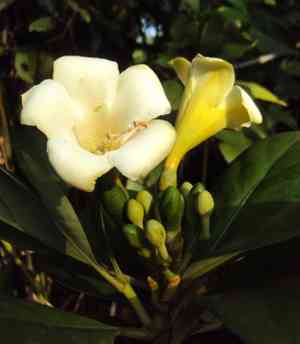
Originating in Asia, the perfume flower tree is a vibrant evergreen recognized for its aromatic white blooms. To ensure peak vitality and flowering, trimming ought to occur after the blooming period, usually in winter during its inactive phase. Remove any deceased or intersecting limbs to uphold its form and air circulation. Reducing older stalks fosters fresh development and more substantial flowers. Refrain from severe cutting to retain the inherent crown. Consistent light trimming aids the perfume flower tree by encouraging blossom generation and improving the plant's architecture.
Advantages of Trimming Perfume Flower Tree
Advantages of Trimming Perfume Flower Tree
Trimming perfume flower tree promotes robust development and maintains its desired form. Regular trimming allows sunlight and air to reach the inner foliage, improving overall plant vitality.
Optimal Time for Trimming Perfume Flower Tree
Optimal Time for Trimming Perfume Flower Tree
Trimming perfume flower tree in late winter, just before the spring growth cycle begins, is beneficial as the plant is still dormant. This timing offers better visibility of the structure without leaf obstruction, allowing for more precise cuts. It also minimizes stress to perfume flower tree since the plant isn't actively allocating resources to growth, bloom, or fruit production. Additionally, wounds heal faster with the surge of spring growth, reducing disease risk. By trimming before spring, gardeners can shape perfume flower tree's growth and encourage vigorous development during the subsequent favorable growing season.
Tools Required for Trimming Perfume Flower Tree
Hand Pruners
Perfect for cutting small branches and twigs of perfume flower tree due to their accuracy and ease of use.
Loppers
Suitable for reaching into the dense foliage of perfume flower tree and cutting through thicker branches that hand pruners cannot manage.
Pruning Saw
Essential for removing larger branches from perfume flower tree that are too thick for hand pruners and loppers.
Hedge Shears
Useful for shaping and trimming the foliage of perfume flower tree when a more manicured appearance is desired.
Pole Pruners
Allows the gardener to trim higher branches of perfume flower tree without needing a ladder, enhancing safety.
How to Trim Perfume Flower Tree
Clean Tools
Before trimming perfume flower tree, ensure all cutting implements are clean and sharp to prevent disease spread and make precise cuts.
Identify
Carefully examine perfume flower tree to locate dead or diseased branches. Look for branches showing signs of discoloration, decay, or damage.
Cut Diseased Branches
Using sterilized pruning shears or a saw, remove diseased branches by cutting them at their origin point or back to healthy tissue. Ensure cuts are angled to promote water runoff and prevent disease.
Remove Dead Branches
Trim away dead branches on perfume flower tree by cutting them back to their origin point or to the nearest living lateral branch without harming the collar.
Cleanup
Clear all removed material from around perfume flower tree to prevent the spread of pests and diseases and dispose of it properly.
Common Trimming Errors with Perfume Flower Tree
Excessive Trimming
Removing too much foliage can stress perfume flower tree, leading to poor growth and reduced flowering. It's crucial to trim no more than one-third of the plant at a time.
Incorrect Cutting Technique
Making imprecise cuts or tearing branches can damage perfume flower tree's bark and create open wounds susceptible to disease. Always use sharp, clean trimming tools.
Neglecting Tool Hygiene
Not sterilizing trimming tools before use can introduce pathogens to perfume flower tree, risking infections and disease spread. Tools should be cleaned and disinfected between cuts if possible, especially when trimming diseased material.
Trimming For Shape Only
Focusing solely on perfume flower tree's shape without considering the plant's health and structure can lead to a weakened framework and fewer flowers. Trimming should balance both aesthetic and health considerations.
Ignoring Dead Or Diseased Wood
Failing to regularly remove dead or diseased branches can hinder perfume flower tree's growth and allow disease to spread, impacting the plant's overall health.
General Trimming Advice for Perfume Flower Tree
Selective Thinning
Remove specific branches to increase light penetration and air circulation within perfume flower tree, which promotes healthy growth and reduces disease incidence.
Cutting Angle
Make clean cuts at a 45-degree angle, just above outward-facing buds or branches to direct new growth outward and prevent water from accumulating on the cut surface.
Deadheading
Regularly remove spent flowers of perfume flower tree to encourage more blooms and prevent the plant from investing energy into seed production.
Structural Trimming
Identify and cut away any crossing, rubbing, or inward-growing branches to maintain a strong, damage-resistant structure for perfume flower tree.
Rejuvenation
For older perfume flower tree, consider more extensive trimming to revitalize and invigorate growth, ensuring this is done over several seasons to avoid shock.



