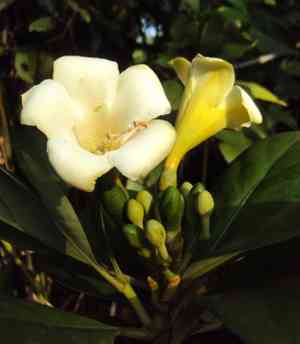
Perfume flower tree (Fagraea ceilanica)
Also known as: Ceylon boxwood
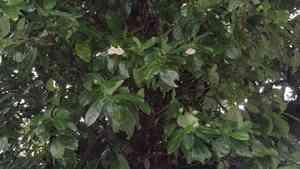
The perfume flower tree (Fagraea ceilanica) has glossy, leather-like leaves that are pleasing to the touch. Its flowers bloom at night, adding to its unique charm. Native to tropical forests in Australia and Asia, its fruits attract a variety of animals such as flying foxes, cassowaries, and civets.
In This Article
Attributes of Perfume flower tree
Lifespan
Perennial
Plant Type
Tree
Plant Height
10 m
Spread
40 cm to 70 cm
Leaf Color
Deep green
Flower Size
6 cm to 8 cm
Flower Color
White
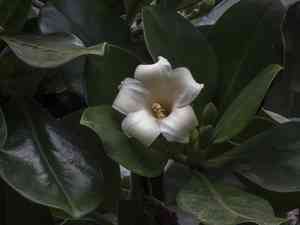
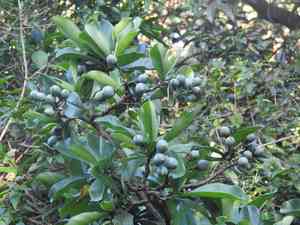
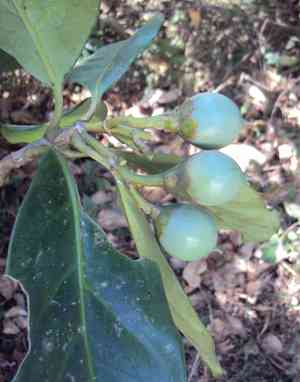
Images of Perfume flower tree
Quickly Identify Perfume flower tree
1
Fagraea ceilanica can be identified by its shiny, deep green leaves that are elliptical in shape. The flowers are typically white and fragrant, with a tubular structure. The fruit is a small, yellowish berry that turns dark when ripe.
Scientific Classification of Perfume flower tree
Phylum
Vascular plants
Class
Dicotyledons
Order
Gentians, dogbanes, madders, and allies
Family
Gentian
Genus
Fagraea
Species
Perfume flower tree
Planting and Growing of Perfume flower tree
Care Difficulty
Easy
Watering Schedule
Every 3 days
Sunlight Requirements
Partial sun
Sunshine Duration
6-10 hours
Ideal Temperature
70-85℉
Soil Type
Potting Mix, Peat Mix
Soil pH
6.5-7.5
Fertilizer Type
Balanced
Pruning Season
Spring, Summer
Pruning Area
Branches, Leaves
Pruning Frequency
2 times a year
Repotting Season
Spring
Pot Type
Plastic, Ceramic
 How to Water Perfume flower tree?
For Fagraea ceilanica, ensure the soil is evenly moist but not waterlogged. Water until moisture is visible at the soil surface. The plant prefers consistent moisture levels.
What are the symptoms of an underwatered Perfume flower tree?
›
What should I do if my Perfume flower tree is not getting enough water?
›
What are the symptoms of an overwatered Perfume flower tree?
›
How to save an overwatered Perfume flower tree?
›
 What Are the Sunlight Requirements for Perfume flower tree?
For optimal growth, provide partial sun—filtered or dappled light mimicking forest understory conditions. Ideal light ensures sufficient energy for growth and blossoming while preventing the stress from harsh, direct rays.
More About Sunlight Requirements Techniques→
What is the best light for Fagraea ceilanica?
›
How can you achieve ideal lighting for Fagraea ceilanica?
›
What benefits does Fagraea ceilanica gain from ideal lighting?
›
 What Is the Ideal Temperature Range for Perfume flower tree?
For Fagraea ceilanica, maintaining temperatures between 70°F and 85°F is crucial for optimal growth. This range supports adequate photosynthesis and nutrient uptake, facilitating healthy foliage and blooms.
 What Soil is Best for Perfume flower tree?
Fagraea ceilanica thrives in well-drained soil that prevents waterlogging, which can otherwise lead to root rot. Ensuring good drainage helps the roots breathe and maximizes nutrient uptake, promoting healthy growth. This plant benefits from soils rich in organic matter, which provide essential nutrients and enhance soil structure. A nutrient-rich soil environment supports robust plant health, encouraging vibrant blooms. The soil should retain a moderate level of moisture, crucial for consistent hydration without saturation. This balance is vital for maintaining sustained plant vitality and preventing stress during dry periods.
 How to Fertilize Perfume flower tree?
For Fagraea ceilanica, it is crucial to apply a balanced fertilizer to support its lush foliage and flowering potential. Each application should ideally provide enough nutrients to enhance growth but avoid over-fertilization. Typically, use about a quarter to half strength of a general-purpose fertilizer solution to mitigate risks of nutrient burnout.
 How to Prune Perfume flower tree?
While it's important to maintain shape, over-pruning can stress the plant, leading to reduced flowering and increased vulnerability to pests and diseases. Aim to remove only up to one-third of the plant's foliage at any one time. Prune just before new growth begins for best results. Early spring pruning helps control shape and size before the growing season, while late summer or early autumn pruning can avoid stimulating late growth that might not mature before winter.
More About Pruning Techniques→
 How to Propagate Perfume flower tree plant?
1
For both seed and cutting propagation, a well-draining soil or medium is critical. Mix equal parts of sand, peat moss, and perlite to create a suitable environment for root growth.
2
Scatter the seeds evenly on the prepared soil in the seed tray. Cover them lightly with soil, and mist with water to keep the surface moist but not waterlogged.
3
Select a healthy stem from the parent plant and cut a 4-6 inch section just below a node. Remove the lower leaves, leaving a couple of leaves at the top.
 How to Repot Perfume flower tree plant?
1
Fagraea ceilanica signals it needs repotting when roots emerge from the drainage holes or the growth seems stunted. Spring and autumn are ideal times because the plant is naturally more resilient and can adjust better to the new environment.
2
Select a pot that is only slightly larger than the current one to prevent excessive moisture retention which can lead to root rot. A pot with drainage holes is crucial as it helps excess water to escape, preventing over-watering.
3
Opt for a well-draining potting mix rich in organic matter. This aids in providing essential nutrients and maintaining adequate moisture without waterlogging, thus fostering healthy root development and growth.
Learn More About Perfume flower tree Diseases
Anthracnose
Bacterial Leaf Spot
Bacterial Soft Rot
Bacterial Wilt
Chemical Injury
Crown Gall
Cyst Nematode
Damping-off
Downy Mildew
Drought Stress
Fusarium Wilt
Gray Mold
Leaf Spot
Mosaic
Nutrient Deficiency
Nutrient Toxicity
Powdery Mildew
Root Rot
Root-knot Nematode
Sooty Mold
Spider Mites
Temperature Stress
Thrips Damage
White Mold



