How to Prune Agracejo rastrero?
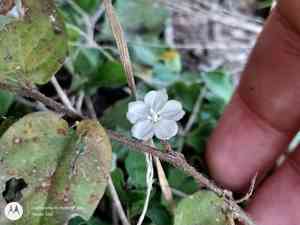
This ground-hugging perennial plant is recognized for its circular foliage and small blue blossoms. For agracejo rastrero, strategic trimming preserves its form and fosters robust, lush development. Cut back elongated stems in the spring, summer, or autumn, concentrating on withered or injured sections. Shearing after the blooming period encourages subsequent flowering. Refrain from severe cuts to avert strain. Pruning aids agracejo rastrero by increasing vitality, lowering susceptibility to illness, and improving its sprawling, mat-like leaf coverage.
Advantages of Trimming Agracejo Rastrero
Advantages of Trimming Agracejo Rastrero
Trimming agracejo rastrero encourages robust development and helps maintain its desired form. Consistent cutting fosters thicker foliage and a more compact structure, ensuring the plant stays appealing and thriving.
Optimal Period for Pruning Agracejo Rastrero
Optimal Period for Pruning Agracejo Rastrero
The ideal time for pruning or trimming agracejo rastrero is in the spring, just as the plant emerges from its dormant winter state and prior to its more vigorous growth phase. This timing allows agracejo rastrero to recover swiftly and utilize spring's growth momentum to heal and generate new shoots. Pruning in spring aligns with agracejo rastrero's active growth cycle, minimizing plant stress and promoting better healing of cut areas. It also aids in shaping the plant before it dedicates energy to extensive growth. Avoiding fall pruning is beneficial as it helps agracejo rastrero retain strength for the dormant winter season and prevents new growth that might not endure cold temperatures, potentially harming the plant's health.
Tools Required for Pruning Agracejo Rastrero
Bypass Pruners
Agracejo rastrero is a low-growing evergreen perennial with a trailing habit. Bypass pruners are perfect for making clean cuts on small stems, allowing precise removal of dead or unwanted foliage without unnecessary damage to the plant's delicate structure.
Hand Shears
For shaping and maintaining agracejo rastrero's dense, mat-like growth, hand shears can be used to trim and define the plant's edges. They offer a good balance between precision and the ability to cover a larger area quickly.
Gardening Gloves
While agracejo rastrero is not known for thorns or skin irritation, gloves are advised to shield the gardener's hands from dirt and minor scrapes during the pruning process.
How to Prune Agracejo Rastrero
Sanitize
Before starting the pruning process, clean and disinfect all pruning tools. This prevents the spread of disease to healthy parts of agracejo rastrero.
Inspect
Carefully examine agracejo rastrero, identifying diseased leaves, withered leaves, dead branches, and diseased branches that need removal.
Cut Diseased Leaves
Use sharp, clean shears to snip off diseased and withered leaves at their base where they meet the stem. Avoid tearing, as this can harm healthy tissue of agracejo rastrero.
Remove Dead Branches
Cut dead and diseased branches as close to the main stem as possible without damaging the healthy bark. Make a clean cut to promote quicker healing of agracejo rastrero.
Cleanup
Gather all trimmed parts and dispose of them away from healthy plants to prevent the spread of any disease that might affect agracejo rastrero.
Common Pruning Errors with Agracejo Rastrero
Excessive Pruning
Removing too much foliage from agracejo rastrero can stress the plant, leading to poor growth or reduced blooming. Prune sparingly, as agracejo rastrero naturally forms a low, dense mat that rarely needs extensive cutting back.
Incorrect Tool Usage
Using dull or dirty pruning tools can damage agracejo rastrero branches, leaving jagged cuts susceptible to disease and pests. Always use clean, sharp tools for precise cuts.
Pruning Into Old Wood
Cutting into old, woody stems of agracejo rastrero can prevent it from producing new shoots. This plant tends to flower on new growth, so focusing on old wood can diminish its flowering potential.
Ignoring Plant Shape
Random or uneven cuts without considering agracejo rastrero's natural shape can result in an unattractive appearance. Aim to maintain its rounded form for aesthetic purposes while encouraging healthy growth.
General Pruning Advice for Agracejo Rastrero
Selective Thinning
Remove only the necessary stems of agracejo rastrero to thin out dense areas. This promotes better air circulation, reduces disease risk, and encourages new growth without altering the plant's overall structure.
Timing Of Cuts
While the best season for pruning is not to be mentioned, ensuring that pruning is done with an understanding of agracejo rastrero's growth pattern during the active growing period is crucial for optimal flowering and plant health.
Focus On New Growth
When pruning agracejo rastrero, concentrate on shaping the new growth. This encourages more vigorous development and supports the continuous production of flowers throughout the growing season.
Deadheading
Regularly remove spent flowers of agracejo rastrero to promote further blooming. This process, known as deadheading, redirects the plant's energy into producing new flowers rather than seeding.



