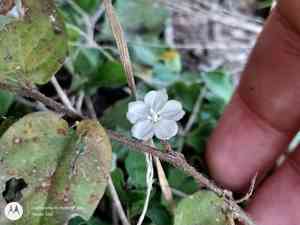
Agracejo rastrero (Evolvulus nummularius)
Also known as: Dwarf Morning Glory, Silver Bush
Agracejo rastrero (Evolvulus nummularius) is a low-lying perennial with small white blooms. In Sanskrit, its name translates to "resembling rat's ears," a nod to its rounded, lobed leaves that bear a resemblance to the shape of a rat's ears.
In This Article
Attributes of Agracejo rastrero
Lifespan
Perennial, Annual
Plant Type
Herb
Plant Height
20 cm to 40 cm
Spread
Up to 1 meter
Leaf Color
Green to silvery-green
Flower Size
7 mm to 8 mm
Flower Color
White Pink Purple
Images of Agracejo rastrero
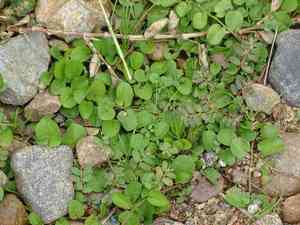
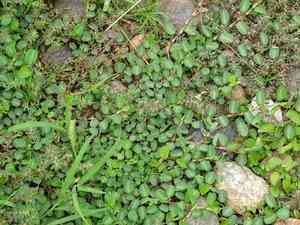
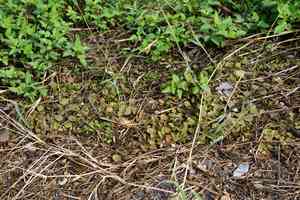
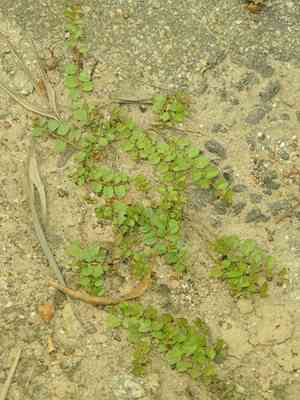
Quickly Identify Agracejo rastrero
1
Look for its small, ovate leaves and blue to violet funnel-shaped flowers; it typically forms a dense ground cover.
Scientific Classification of Agracejo rastrero
Phylum
Vascular plants
Class
Dicotyledons
Order
Solanales
Family
Morning-glory
Genus
Dwarf morning glories
Species
Agracejo rastrero
Planting and Growing of Agracejo rastrero
Care Difficulty
Easy
Watering Schedule
Every 4 days
Sunlight Requirements
Full sun
Sunshine Duration
4-6 hours
Ideal Temperature
68-77℉
Soil Type
Potting Mix, Peat Mix
Soil pH
6.5-7.5
Fertilizer Type
Balanced
Pruning Season
Spring, Summer
Pruning Area
Branches, Leaves
Pruning Frequency
2 times a year
Repotting Season
Spring
Pot Type
Plastic, Ceramic
 How to Water Agracejo rastrero?
Evolvulus nummularius enjoys moist soil but not soggy conditions. The amount of water should keep the soil consistently damp, allowing for good drainage. Typically, watering with about 250 milliliters will suffice, ensuring the water seeps down to the root level without waterlogging.
What are the symptoms of an underwatered Agracejo rastrero?
›
What should I do if my Agracejo rastrero is not getting enough water?
›
What are the symptoms of an overwatered Agracejo rastrero?
›
How to save an overwatered Agracejo rastrero?
›
 What Are the Sunlight Requirements for Agracejo rastrero?
Evolvulus nummularius benefits most from semi to full sun exposure. This light range supports healthy foliage and abundant flowering, maximizing growth potential and aesthetic appeal by providing vital energy for photosynthesis.
More About Sunlight Requirements Techniques→
What type of sunlight does Evolvulus nummularius thrive on?
›
How can you ensure ideal lighting conditions for Evolvulus nummularius?
›
What benefits come from optimal lighting for Evolvulus nummularius?
›
 What Is the Ideal Temperature Range for Agracejo rastrero?
Evolvulus nummularius thrives in temperatures between 68°F and 77°F. This range provides optimal conditions for photosynthesis and growth, ensuring the plant maintains healthy foliage and can properly flower. Outside this temperature range, the plant's growth rate may slow, and it might display signs of stress.
 What Soil is Best for Agracejo rastrero?
Evolvulus nummularius thrives in well-draining soils, allowing water to flow freely and preventing root rot. Good drainage ensures that roots can access necessary oxygen, promoting healthier growth and vibrant foliage. The plant prefers soils with moderate fertility. Too much fertility can lead to excessive foliage growth at the expense of blooms. Balanced nutrient levels support steady growth and a profusion of flowers. An aerated soil structure prevents compaction and allows roots to spread easily. It enhances nutrient uptake and helps the plant resist environmental stresses, leading to a robust and resilient growth habitat.
 How to Fertilize Agracejo rastrero?
When fertilizing Evolvulus nummularius, use a balanced, water-soluble fertilizer at half the recommended strength. This plant thrives with a gentle feeding approach as it is relatively low-maintenance in nutrient requirements.
 How to Prune Agracejo rastrero?
Start by inspecting the plant for any dead or damaged parts. These areas should be removed to improve the plant's overall health and appearance. Dead stems are usually dry and brittle, while damaged growth may be discolored or torn. Trim back any long, overgrown stems to encourage a more compact, rounded shape. This will help the plant maintain a tidy appearance and support even growth throughout its body. Cut just above a node to encourage new shoots. Pinch back the tips of shoots every month during the active growing seasons in spring and summer. This encourages lateral growth and helps the plant become bushier. Focus on areas that look sparse or uneven in order to balance the plant's growth.
More About Pruning Techniques→
 How to Propagate Agracejo rastrero plant?
1
Soak seeds in warm water for 24 hours to soften seed coats. Prepare a seed tray with well-draining soil and sow seeds about an inch deep, covering lightly with soil. Maintain humidity by covering the tray.
2
Select healthy, non-flowering stems, and cut 4-6 inch pieces. Remove lower leaves and dip the cut end in rooting hormone. Plant the cuttings in a pot with a moist mix of perlite and peat.
3
For division, gently dig up the plant and separate roots ensuring that each division has some roots attached. Replant the divisions promptly in a similar soil environment to prevent shock.
 How to Repot Agracejo rastrero plant?
1
Repot Evolvulus nummularius when you notice roots circling the pot, soil compactness, or stunted growth. These are clear signals indicating the plant requires more space to thrive. Spring and summer, when the plant is actively growing, are the best times to transition it to a new pot, providing the plant with the energy boost it needs for recovery and growth.
2
Select a pot slightly larger than the current one to encourage root expansion without overwhelming the plant. Ensure the pot has drainage holes to prevent waterlogging, which can lead to root rot. A properly sized pot promotes healthy growth and prevents the plant from becoming root-bound too quickly, allowing the Evolvulus nummularius to develop a robust root system.
3
Opt for a well-draining potting mix to ensure optimal growth conditions. A mix containing perlite, peat, or sand is ideal as it guarantees the right balance of aeration, moisture retention, and drainage. This composition helps prevent overwatering and enhances root oxygenation, crucial for thriving plant health.
Learn More About Agracejo rastrero Diseases
Anthracnose
Bacterial Leaf Spot
Bacterial Wilt
Damping-off
Downy Mildew
Drought Stress
Fusarium Wilt
Gray Mold
Leaf Curl
Leaf Spot
Mosaic
Nutrient Deficiency
Nutrient Toxicity
Powdery Mildew
Root Rot
Root-knot Nematode
Rusts
Sooty Mold
Spider Mites
Temperature Stress
Thrips Damage
White Mold
Chemical Injury



