How to Prune Slender golden-top?
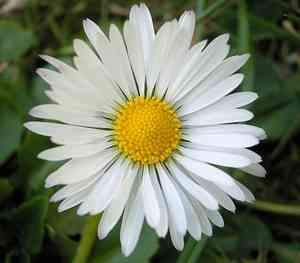
Recognized for its bunches of tiny yellow blossoms and delicate stalks, slender golden-top flourishes with consistent trimming. Optimal times for pruning are during spring and summer, fostering robust, energetic development and enhanced blooming. Concentrate on eliminating faded flowers, lifeless or injured stems, and molding the plant to stimulate fresh growth. Prompt pruning lowers the chance of illness and boosts air movement. Verify that cuts are precise and executed directly above leaf nodes for the best recuperation and expansion.
Advantages of Trimming Slender Golden-top
Advantages of Trimming Slender Golden-top
Slender golden-top benefits from trimming by encouraging robust development and maintaining an ideal form. Pruning helps manage its size, lower disease risk, and improve overall appearance, leading to a healthier and more appealing plant.
Optimal Period for Pruning Slender Golden-top
Optimal Period for Pruning Slender Golden-top
Pruning slender golden-top in spring or summer aligns with its active growth phase, ensuring it recovers quickly and maintains its health. Spring pruning encourages vigorous new growth and helps shape the plant before it begins its flowering period. Summer pruning helps manage the plant's shape and size without significantly impacting its flowering cycle. Both periods allow for quick healing and reduced risk of disease, contributing to the overall vitality and appearance of slender golden-top.
Tools Required for Pruning Slender Golden-top
Bypass Pruners
Perfect for making precise cuts on the delicate stems of slender golden-top. Minimizes plant tissue damage, which is vital for preventing illness.
Gloves
Protects hands from any potential irritation when handling slender golden-top. Essential for general garden safety.
Hand Shears
Suitable for trimming small stems and removing spent blooms. Helps maintain the plant's appearance and encourage new growth.
Lopping Shears
Useful for cutting thicker stems or branches of slender golden-top. Provides leverage and power needed for making clean cuts without straining your hands.
Disinfectant
Important for sterilizing tools before and after pruning to prevent the spread of disease. Ensures the health of slender golden-top.
How to Prune Slender Golden-top
Inspection
Carefully inspect slender golden-top for any signs of diseased, withered, or dead leaves and stems. Look for discoloration, spots, or deformation.
Tools Preparation
Prepare clean and sharp pruning tools, such as shears or scissors. Sterilize the tools with rubbing alcohol to prevent the spread of disease.
Remove Diseased Leaves
Trim any diseased leaves starting as close to the base as possible to prevent the disease from spreading. Make precise cuts ensuring not to damage healthy parts.
Remove Withered Leaves
Trim withered leaves by cutting them at the base where they attach to the stem. Ensure to remove all wilted parts to encourage new growth.
Remove Diseased Stems
Cut any diseased stems back to healthy tissue. Make clean cuts and dispose of all trimmed parts properly to avoid reinfection.
Frequent Pruning Errors with Slender Golden-top
Excessive Pruning
Removing too much foliage at once can stress slender golden-top, affecting its ability to photosynthesize and potentially hindering growth.
Incorrect Technique
Using dull or unclean tools can cause jagged cuts, leading to an increased risk of disease and pest infestation.
Pruning at the Wrong Time
While the best season for pruning is discussed elsewhere, itâs critical to avoid pruning immediately before extreme weather conditions to prevent damage.
Pruning Too Early
Pruning before slender golden-top has adequately matured can stunt its growth and reduce its flowering potential.
Neglecting Deadheading
Failing to remove spent flowers can strain slender golden-top as it diverts energy into seed production rather than new growth and blooms.
General Pruning Advice for Slender Golden-top
Use Clean, Sharp Tools
Always use well-maintained pruning shears or garden scissors to make clean cuts that heal quickly and resist disease.
Prune to Shape
Trim back any leggy or unruly stems to maintain the desired shape and promote a bushier, more attractive growth form.
Thin Out Congested Areas
Remove any overcrowded stems to enhance air circulation and sunlight penetration, reducing the risk of fungal infections.
Focus on Damaged and Dead Stems
Regularly inspect slender golden-top for dead, damaged, or diseased stems and remove them to encourage healthy growth and reduce the spread of problems.
Pinch Back Tips Frequently
To encourage a fuller plant, pinch back the tips of slender golden-top periodically. This will promote branching and result in a more abundant display of flowers.



