How to Prune Wombat berry?
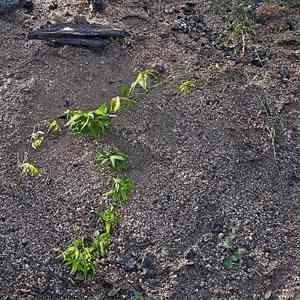
Wombat berry, a vining plant prized for its ornamental value and palatable produce, greatly benefits from trimming. Essential pruning methods involve eliminating deceased or overly dense branches and reducing robust development to preserve its form and encourage more robust, controllable expansion. The ideal periods for pruning are late winter and early spring, right before the commencement of its growth phase. Consistent trimming improves light penetration and air movement, which are vital for the plant's general health and fruit yield.
What Are the Advantages of Trimming Wombat Berry?
What Are the Advantages of Trimming Wombat Berry?
Trimming wombat berry promotes robust development and helps keep its desired form. Regular cutting eliminates congested or dead stems, improving the plant's overall health and visual appeal.
When Is the Optimal Time for Trimming Wombat Berry?
When Is the Optimal Time for Trimming Wombat Berry?
Trimming wombat berry in late winter and early spring is ideal, as this period coincides with the end of its dormant phase and just before new growth begins. This ensures that any pruning will stimulate healthy new growth as the growing season commences. Furthermore, pruning at this time minimizes the risk of wombat berry developing diseases or suffering from cold damage, which can occur if pruned too late in the spring. It also allows gardeners to remove any dead or damaged parts from winter, enhancing the plant's overall health and appearance as it enters its active growth stage.
What Equipment Do I Need to Trim Wombat Berry?
Hand Pruners
Perfect for cutting through the relatively thin stems of wombat berry, which typically do not exceed a few centimeters in thickness. Hand pruners offer precise cuts that can help maintain the plant's health and look.
Lopping Shears
Useful for reaching into denser areas of wombat berry where overgrown stems might be harder to access with hand pruners. Lopping shears have long handles that provide good leverage for thicker stems, making them suitable for moderate trimming tasks.
Pruning Saw
Essential for removing older or woodier parts of wombat berry. If the plant has been allowed to grow extensively without prior pruning, some stems might be too thick for pruners or loppers, and a pruning saw enables the removal of such growth without harming the plant.
Gardening Gloves
Important for protecting hands when trimming wombat berry. This plant has twining stems that can sometimes be rough, and gloves help prevent scratches and ensure safer handling during the pruning process.
Garden Shears
Best for shaping and trimming lighter foliage and smaller stems of wombat berry, allowing for quick, clean cuts that encourage healthy new growth.
How to Trim Wombat Berry
Clean tools
Before beginning the trimming process, ensure all pruning tools are clean and sharp to prevent disease spread and to make precise cuts. Disinfect shears with rubbing alcohol or a 10% bleach solution.
Identify diseased
Carefully inspect wombat berry for any diseased or discolored leaves that show signs of infection or damage. These are typically different in color, spotted, or wilted compared to healthy foliage.
Remove diseased
Using your disinfected pruning tools, carefully remove all identified diseased leaves from wombat berry. Make your cuts at the base of the leaf stem, close to the main vine to encourage healthier growth.
Identify withered
Look for withered or old leaves on wombat berry, which are typically dry, brown, and crumbly. These leaves are no longer benefiting the plant, and removing them will redirect energy to healthier growth.
Remove withered
Prune away the identified withered leaves in the same manner as the diseased ones. Ensure each cut is clean and avoid tearing the stems to maintain the plant's health.
Common Trimming Errors with Wombat Berry
Over-pruning
Removing too much foliage at once can stress wombat berry, leading to poor growth and reduced flowering. Aim to remove no more than one-third of the plant's total volume in a single trimming session.
Improper cutting technique
Incorrect cutting can damage wombat berry's stems, potentially leading to disease entry points or inefficient growth. Use sharp, clean pruning shears and make cuts at a 45-degree angle just above a leaf node.
Neglecting plant structure
Failing to consider the natural arching habit and structure of wombat berry can result in an unbalanced, unhealthy appearance. Focus on maintaining an even, aesthetically pleasing shape that supports the plant's natural form.
Common Trimming Advice for Wombat Berry
Selective thinning
To promote better air circulation and light penetration, which are crucial for wombat berry's health, selectively remove crowded or crossed branches. This encourages stronger, more vigorous growth and flowering.
Maintenance pruning
Regularly remove dead or weak wood to maintain the health and vitality of wombat berry. This also helps in managing the size and shape of the plant, making it more manageable and visually appealing.
Encouraging new shoots
Trimming back the tips of vigorous branches can stimulate new growth, which is particularly beneficial for lush and healthy foliage development in wombat berry. This also helps in enhancing the structural integrity of the plant.



