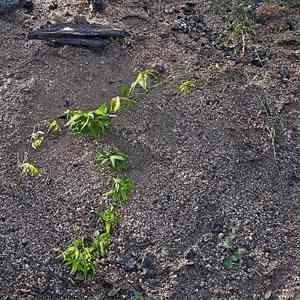
Wombat berry (Eustrephus latifolius)
Also known as: Wombat Berry
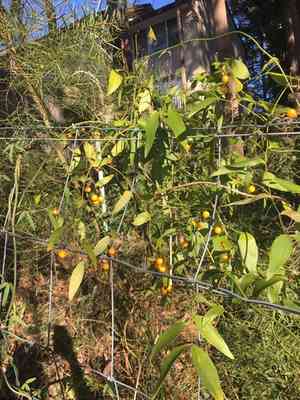
The plant you're referring to is the Wombat Berry (Eustrephus latifolius). This robust climbing plant features glossy green, lance-shaped leaves. During spring to summer, it showcases delicate, star-shaped flowers in shades of white to pale pink, which later give way to vibrant orange-red berries. Its twining growth habit enables it to thrive in sun-dappled understories, making it a lovely choice for shaded garden areas.
In This Article
Attributes of Wombat berry
Lifespan
Perennial
Plant Type
Vine, Shrub
Plant Height
1-3 meters
Spread
N/A (vine)
Leaf Color
Green
Flower Size
1-2 cm
Flower Color
White to pink
Images of Wombat berry
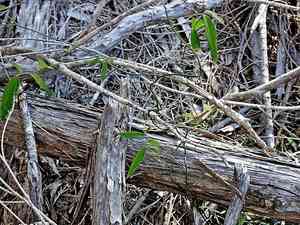
Quickly Identify Wombat berry
1
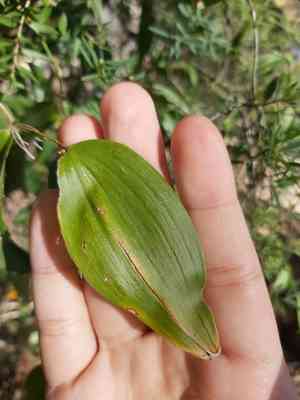
Look for its twining stems and broad, lance-shaped leaves. The flowers have six petals and are usually white with a hint of pink, and the berries turn a bright orange color when mature.
Scientific Classification of Wombat berry
Phylum
Vascular plants
Class
Monocotyledons
Order
Asparagales
Family
Asparagus
Genus
Eustrephus
Species
Wombat berry
Planting and Growing of Wombat berry
Care Difficulty
Easy
Watering Schedule
Every 2 days
Sunlight Requirements
Full sun
Sunshine Duration
6-10 hours
Ideal Temperature
68-77℉
Soil Type
Potting Mix, Peat Mix
Soil pH
6.5-7.5
Fertilizer Type
Balanced
Pruning Season
Spring, Summer
Pruning Area
Branches, Leaves
Pruning Frequency
2 times a year
Repotting Season
Spring
Pot Type
Plastic, Ceramic
 How to Water Wombat berry?
When watering Eustrephus latifolius, aim to provide it with around 500 ml of water each time. The key principle is to ensure the soil remains consistently moist but not waterlogged. Water until you notice excess moisture starting to drain from the bottom, indicating thorough saturation without risking root rot.
What are the symptoms of an underwatered Wombat berry?
›
What should I do if my Wombat berry is not getting enough water?
›
What are the symptoms of an overwatered Wombat berry?
›
How to save an overwatered Wombat berry?
›
 What Are the Sunlight Requirements for Wombat berry?
Partial to full sun provides an ideal light range, promoting robust growth and fruiting. Adequate light enables the plant to photosynthesize efficiently, maintain strong root systems, and produce vibrant, lush foliage.
What is the ideal light for Eustrephus latifolius?
›
How can I provide the ideal light conditions?
›
What benefits does ideal lighting offer this plant?
›
 What Is the Ideal Temperature Range for Wombat berry?
The ideal temperature range for Eustrephus latifolius lies between 68°F and 77°F. This range allows the plant to grow effectively and maintain healthy foliage. Keeping the plant within this temperature range ensures optimal photosynthesis and nutrient uptake, allowing it to thrive.
 What Soil is Best for Wombat berry?
Eustrephus latifolius thrives in soil that is rich in organic matter. This ensures a steady supply of essential nutrients, promoting healthy growth and vibrant foliage. Incorporating compost can significantly enhance the nutrient availability of the soil. This plant prefers soils that drain well, preventing waterlogging, which can lead to root rot. Well-draining soils allow the roots to breathe and absorb nutrients efficiently, which is crucial for the plant's development. A soil environment with active microbial life supports the decomposition of organic material, thus facilitating nutrient uptake. Such microbial interactions enhance plant health and resilience against soil-borne diseases.
 How to Fertilize Wombat berry?
For Eustrephus latifolius, it is advisable to apply a balanced fertilizer with an N-P-K ratio of 10-10-10. When using liquid fertilizer, dilute it to half the recommended strength to avoid burning the roots. Use around 200-250 ml of diluted liquid fertilizer per plant each time.
 How to Prune Wombat berry?
Start by examining the plant for any dead or diseased stems. Use clean, sharp pruning shears to make precise cuts. Begin trimming away these parts first. Next, shape the plant by trimming back overreaching or entangled branches, aiming for a balanced, open structure. After removing the unhealthy parts, focus on shaping the plant. Eustrephus latifolius can be encouraged to grow in a bushier form by cutting back longer stems to a node or a side shoot. This method promotes lateral growth and a fuller appearance.
More About Pruning Techniques→
 How to Propagate Wombat berry plant?
1
Ensure the seed bed is well-drained and enriched with organic material. This provides the optimal conditions for seed germination and healthy seedling development.
2
Select healthy stems and cut at a 45-degree angle to maximize surface area for root development. Ensure the cuttings have several nodes beneath the cutting point.
3
Gently separate the plant’s root mass into smaller sections, ensuring each division has sufficient roots and shoots to ensure independent growth.
 How to Repot Wombat berry plant?
1
Repot Eustrephus latifolius when you notice roots growing out of the drainage holes, the plant becoming root-bound, or the soil drying out too quickly. These signs indicate the plant has outgrown its current pot. Spring and early summer are ideal as the plant is actively growing and better able to recover from the stress of repotting.
2
Select a pot that is one to two sizes larger, with good drainage holes, to accommodate the growing roots. A slightly bigger pot reduces the risk of waterlogging, which is crucial for avoiding root rot in Eustrephus latifolius. Clay pots are recommended as they allow for better aeration than plastic pots.
3
Opt for a well-draining potting mix rich in organic matter. A blend with a portion of sand or perlite will enhance drainage and prevent water accumulation. The soil's airy nature helps prevent root rot and provides substantial nutrition for healthy plant growth.
Learn More About Wombat berry Diseases
Anthracnose
Bacterial Leaf Spot
Bacterial Soft Rot
Bacterial Wilt
Black Spot
Chemical Injury
Crown Gall
Cyst Nematode
Damping-off
Downy Mildew
Drought Stress
Fusarium Wilt
Gray Mold
Leaf Curl
Leaf Spot
Mosaic
Nutrient Deficiency
Nutrient Toxicity
Powdery Mildew
Root Rot
Root-knot Nematode
Rusts
Sooty Mold
Spider Mites
Temperature Stress
Thrips Damage
White Mold



