How to Prune Caribbean fingergrass?
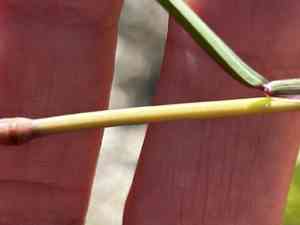
Distinguished by its delicate stalks and unique flower clusters, caribbean fingergrass thrives with trimming in the latter part of winter or early spring. Cut away any lifeless or ailing stems to stimulate fresh development and preserve a neat look. Refrain from severe cutting to avert strain. Consistent removal of faded blooms can foster a more orderly shape and energetic growth. The ideal period for pruning coincides with the start of the growth cycle, guaranteeing strong well-being and enhanced vigor.
What Are the Benefits of Pruning Caribbean Fingergrass?
What Are the Benefits of Pruning Caribbean Fingergrass?
Trimming caribbean fingergrass promotes vigorous development and helps maintain its form. This practice encourages robust growth, enhances overall appearance, and boosts resistance to pests and diseases. Proper trimming fosters a stronger plant structure and effectively manages its size.
What Is the Best Time for Pruning Caribbean Fingergrass?
What Is the Best Time for Pruning Caribbean Fingergrass?
Trimming caribbean fingergrass in late winter to early spring is ideal as this period aligns with the plant's dormant phase just before new growth begins. Pruning at this time reduces plant stress and helps ensure strong health and vitality. Additionally, this timing avoids interfering with the plant's flowering or fruiting cycle, which typically follows the initial growth phase. Performing pruning before the plant starts active growth maximizes its ability to heal and promote new, healthy development.
What Tools Do I Need to Prune Caribbean Fingergrass?
Hand Pruners
Perfect for cleanly cutting smaller stems and branches. Since caribbean fingergrass has a relatively delicate structure, larger tools might harm the plant.
Hedge Shears
Useful for shaping and maintaining caribbean fingergrass in larger areas, ensuring uniform growth and aesthetics.
Grass Clippers
Excellent for detailed work and trimming. Given caribbean fingergrass's growth habit, grass clippers can help manage its spread without significant damage.
Pruning Saw
Though less frequently required, a small pruning saw can be helpful for cutting through any unexpectedly tough stems.
How to Prune Caribbean Fingergrass
Inspection
Carefully examine caribbean fingergrass for any indications of diseased or withered leaves. Focus on identifying those that appear discolored or shriveled.
Sanitation
Sanitize your pruning tools by dipping them in a solution of one part bleach to nine parts water. This prevents the spread of disease to healthy parts of caribbean fingergrass.
Pruning
Select a pair of sharp pruning shears and make clean cuts just above the base of the diseased or withered leaves. Ensure you remove the entire affected leaf to prevent further damage.
Disposal
Immediately dispose of the pruned leaves by bagging them and throwing them away. Do not compost diseased leaves as they can spread pathogens.
Monitoring
Regularly observe caribbean fingergrass for any new signs of diseased or withered leaves, promptly removing any you find. Consistent monitoring helps maintain the overall health of caribbean fingergrass.
Common Pruning Mistakes with Caribbean Fingergrass
Over-pruning
Removing too much foliage can stress caribbean fingergrass and impede its growth. It is crucial to be mindful of the amount being cut back.
Improper Technique
Using dull or unsuitable tools can tear or damage stems, leading to infections or poor regrowth. Always use sharp, clean tools.
Timing Errors
Pruning at the wrong time of year can negatively impact the growth and health of caribbean fingergrass. Ensure youâre aware of the optimal pruning window.
Neglecting to Clean Tools
Dirty tools can transfer diseases between plants. Consistently clean your pruning equipment before and after use.
Ignoring Plant Health
Pruning unhealthy or damaged plants without addressing underlying issues can exacerbate problems. Always assess overall plant health before pruning.
Common Pruning Tips for Caribbean Fingergrass
Moderation Is Key
Trim lightly and regularly to maintain shape and encourage healthy growth. Avoid drastic cuts, focusing on removing dead or diseased parts.
Use Proper Tools
Invest in high-quality, sharp pruning shears or scissors. Clean tools with a disinfectant before and after pruning to prevent disease spread.
Focus on Air Circulation
Remove overcrowded or weak stems to improve airflow within caribbean fingergrass. This reduces the risk of fungal infections and promotes robust growth.
Cut at the Right Angle
Make cuts at a 45-degree angle to minimize water accumulation on the cut surface, which can lead to rot.



