How to Prune Weak spurge?
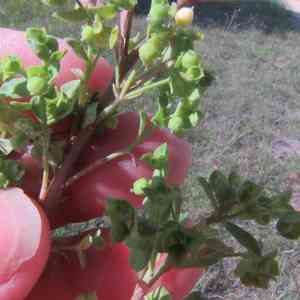
Euphorbia peplus is a resilient, ground-hugging botanical specimen recognized for its distinctive, spreading habit. Essential trimming methods include excising deceased or compromised stalks, reducing dense sections, and sculpting the plant to foster robust development. The ideal period for this maintenance is from late winter to early spring, prior to the emergence of fresh shoots. Consistent trimming benefits Euphorbia peplus by enhancing air movement, mitigating the likelihood of illness, and encouraging a more energetic and visually appealing structure.
What Are the Benefits of Pruning Weak Spurge?
What Are the Benefits of Pruning Weak Spurge?
Weak spurge thrives with trimming, growing robustly and maintaining its form. Regular trimming helps control size, refine shape, deter pests and diseases, and foster healthier, stronger development, ensuring a more attractive and resilient plant.
What Is the Best Time for Pruning Weak Spurge?
What Is the Best Time for Pruning Weak Spurge?
Trimming weak spurge in early spring or late winter is recommended as it aligns with the plant's inactive phase. During this period, weak spurge is not actively growing, which lessens plant stress and minimizes sap loss. Pruning at this stage also aids in shaping the plant before new growth begins, leading to a healthier and more vigorous appearance throughout the growing season. These seasons also avoid interfering with the plant's blooming or fruiting cycles, which helps preserve its decorative and ecological value.
What Tools Do I Need to Prune Weak Spurge?
Bypass Pruners
Perfect for making precise cuts on delicate stems without crushing them, crucial for preserving the plant's vitality.
Anvil Pruners
Can be utilized for thicker, tougher stems. Offer the cutting force required for trimming older, woody sections of weak spurge.
Pruning Saw
Useful for removing larger, mature branches. Ensures clean cuts and prevents harm to the plant's structure.
Gloves
Essential for safeguarding hands from potential skin irritations caused by the plant's sap.
Disinfectant Wipes or Spray
Important for sanitizing tools between cuts to prevent the spread of illness.
How to Prune Weak Spurge
Identify
Examine weak spurge thoroughly to pinpoint all diseased and withered leaves.
Sanitize
Sterilize your pruning tools with a solution of one part bleach to ten parts water to prevent disease transmission.
Remove diseased
Carefully remove all diseased leaves by cutting them off close to the base using sterilized pruning shears.
Remove withered
Trim away withered leaves, ensuring you cut near the stem to prevent damage to healthy parts of weak spurge.
Dispose
Discard the removed leaves in a sealed bag to prevent disease spread. Avoid composting these parts.
Common Pruning Mistakes with Weak Spurge
Incorrect Cutting Technique
Using unsuitable tools or making jagged cuts can harm weak spurge's stems and make it more vulnerable to disease.
Over-Pruning
Removing too much foliage can stress weak spurge, reducing its ability to photosynthesize and potentially leading to stunted growth.
Ignoring Diseased or Dead Material
Failing to remove dead or diseased parts can spread disease to healthy sections of weak spurge.
Improper Cleaning of Tools
Not sanitizing pruning tools before and after trimming weak spurge can transmit pathogens, leading to infection.
Timing of Pruning
Although not covered here, pruning weak spurge at the wrong times can result in reduced flowering and may harm the plant's overall health.
Common Pruning Tips for Weak Spurge
Use Sharp, Clean Tools
Ensure your pruning shears are sharp and sterilized before cutting weak spurge to make clean cuts and prevent the spread of disease.
Make Clean Cuts
Cut stems at a 45-degree angle just above a node or bud to promote healthy regrowth in weak spurge.
Remove Dead and Diseased Material
Regularly inspect weak spurge and prune away any dead or diseased branches to maintain overall plant health.
Limit the Amount of Pruning
Prune sparingly, focusing on removing no more than a third of weak spurge's foliage at any one time to avoid stressing the plant.
Encourage Airflow
Thin out crowded areas within weak spurge to improve air circulation, which helps reduce the risk of fungal infections.


