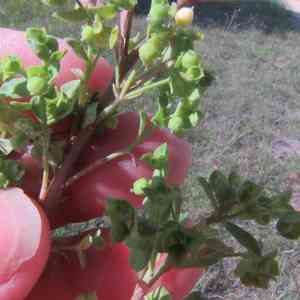
Weak spurge (Euphorbia tetrapora)
Also known as: none
Weak spurge is a resilient plant adapted for arid climates with several key survival features. Its deep root system efficiently taps into underground water sources, while its small, thick leaves minimize water loss through transpiration. The plant's ability to thrive in poor soil conditions further enhances its adaptability. Additionally, its rapid seed production ensures quick colonization, helping it persist in tough environments. These characteristics collectively equip weak spurge for successful survival in arid regions.
In This Article
Attributes of Weak spurge
Lifespan
Perennial
Plant Type
Succulent
Plant Height
0.5 to 3 feet
Spread
Up to 1 foot
Leaf Color
Green (leaves are small and scale-like, often falling off quickly)
Flower Size
Small, typically less than 1 inch
Flower Color
Yellow-green
Images of Weak spurge
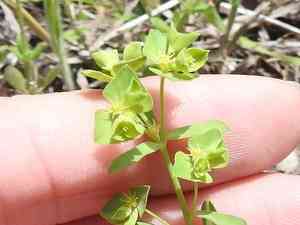
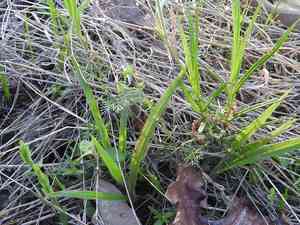
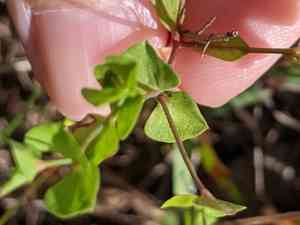
Quickly Identify Weak spurge
1
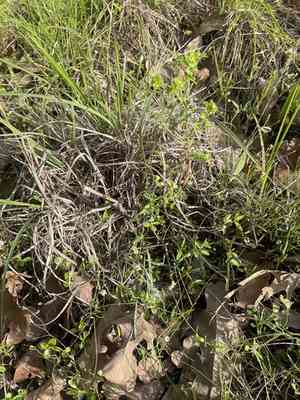
Identify Euphorbia tetrapora by its unique four-sided, columnar stems which are typically green and can sometimes have a slight reddish tinge at the tips. The stems may also bear small, scale-like leaves that fall off relatively quickly. The presence of a milky latex when the plant is cut or broken is a distinctive feature.
Scientific Classification of Weak spurge
Phylum
Vascular plants
Class
Dicotyledons
Order
Malpighiales
Family
Spurge
Genus
Spurges
Species
Weak spurge
Planting and Growing of Weak spurge
Care Difficulty
Moderate
Watering Schedule
Every 2 days
Sunlight Requirements
Full sun
Sunshine Duration
4-6 hours
Ideal Temperature
65-75℉
Soil Type
Potting Mix, Peat Mix
Soil pH
6.5-7.5
Fertilizer Type
Balanced
Pruning Season
Spring, Summer
Pruning Area
Branches, Leaves
Pruning Frequency
2 times a year
Repotting Season
Spring
Pot Type
Plastic, Ceramic
 How to Water Weak spurge?
Euphorbia tetrapora requires careful watering. Watering should thoroughly soak the soil, ensuring moisture reaches the root zone but avoiding waterlogging. Allow the top inch of soil to dry out between waterings to mimic its natural arid habitat.
What are the symptoms of an underwatered Weak spurge?
›
What should I do if my Weak spurge is not getting enough water?
›
What are the symptoms of an overwatered Weak spurge?
›
How to save an overwatered Weak spurge?
›
 What Are the Sunlight Requirements for Weak spurge?
Euphorbia tetrapora benefits most from a light range of 6 to 8 hours of direct sunlight, supplemented with indirect light when possible. This balance promotes healthy, vibrant growth and helps maintain its structural strength.
How much light is best for Euphorbia tetrapora?
›
What solutions can ensure optimal light conditions?
›
What benefits arise from ideal lighting?
›
 What Is the Ideal Temperature Range for Weak spurge?
The ideal temperature range for growing Euphorbia tetrapora is between 65°F and 75°F. This temperature range promotes optimal photosynthesis and growth, ensuring the plant remains healthy and vibrant.
 What Soil is Best for Weak spurge?
Euphorbia tetrapora thrives in well-drained soil, which prevents waterlogging that can lead to root rot. Good drainage ensures the roots receive sufficient air, promoting healthy growth. A moderately fertile soil provides enough nutrients for Euphorbia tetrapora without being overly rich, which helps maintain a more controlled and healthy plant growth. Enriched with organic matter, a nutrient-rich soil supports Euphorbia tetrapora by promoting vigorous growth and enhancing its resilience to pests and diseases.
 How to Fertilize Weak spurge?
For Euphorbia tetrapora, using a balanced fertilizer such as 10-10-10 is ideal. Apply liquid fertilizer at a half-strength solution, as excessive nutrients can harm the plant. When adding slow-release fertilizer, use approximately 1 teaspoon per gallon of soil. This amount suits succulents and helps maintain healthy growth.
 How to Prune Weak spurge?
Use clean, sharp pruning shears to avoid damaging the stems. Start by sanitizing your tools to prevent disease spread. It's advisable to wear gloves since Euphorbia tetrapora contains sap that can irritate the skin. Focus on old, damaged, or crossing stems first. Identifying stems that are particularly weak or discolored can help you shape the plant and promote the healthiest growth. Cutting these back allows light and air to reach the interior of the plant.
More About Pruning Techniques→
 How to Propagate Weak spurge plant?
1
Choose healthy, disease-free stems of Euphorbia tetrapora for cutting. Ensure the stems are firm yet flexible. Ideally, select stems that have not yet flowered, as these are more likely to root successfully.
2
Cut the selected stems at a 45-degree angle to maximize the surface area for rooting. Remove any leaves from the lower half of the cuttings, which helps to reduce water loss through transpiration.
3
Dip the cut end of each cutting into rooting hormone before planting them in a well-draining potting mix. Ensure they are placed in a location with indirect sunlight and kept consistently moist but not waterlogged.
 How to Repot Weak spurge plant?
1
It is best to repot Euphorbia tetrapora when you notice roots emerging from the drainage holes or if its growth has visibly slowed down. Look for signs like a cramped pot, roots spiraling around the base, or soil that dries out too quickly. These indicate that the plant's current container has become too small, making it the right time to introduce it to a larger environment.
2
Select a pot that is both wider and deeper than the current one, but not excessively so. A pot one or two inches larger in diameter allows room for root growth. Ensure the pot has ample drainage holes to prevent waterlogging, which is detrimental to the plant's health. A pot with good drainage ensures the substrate does not retain excess moisture, significantly reducing the risk of root rot.
3
Opt for a well-draining cactus mix, which mimics the plant's natural arid habitat and facilitates optimal root health. A blend of potting soil, perlite, and coarse sand works wonders. This composition provides excellent drainage while maintaining enough moisture for the roots. The soil's permeability prevents water from sitting around the roots, minimizing the risk of fungal infections.
Toxicity
Ingestion, skin contact
WARNING
The judgment on toxicity and danger is for reference only. We DO NOT GUARANTEE any accuracy of such judgment. Therefore, you SHALL NOT rely on such judgment. It is IMPORTANT TO SEEK PROFESSIONAL ADVICE in advance when necessary.
Learn More About Weak spurge Diseases
Anthracnose
Bacterial Leaf Spot
Bacterial Soft Rot
Bacterial Wilt
Black Spot
Chemical Injury
Crown Gall
Damping-off
Downy Mildew
Drought Stress
Fusarium Wilt
Gray Mold
Leaf Curl
Leaf Spot
Mosaic
Nutrient Deficiency
Nutrient Toxicity
Powdery Mildew
Root Rot
Root-knot Nematode
Rusts
Sooty Mold
Spider Mites
Temperature Stress
Thrips Damage
White Mold


