How to Prune Warty spurge?
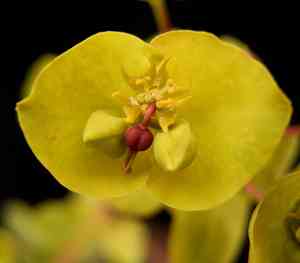
This enduring weed is characterized by its milky fluid and unique spurge formation. Essential trimming for warty spurge involves shortening the succulent stalks and eliminating faded flowers. The most suitable period for pruning extends from spring through autumn to control expansion, foster a denser appearance, and hinder seed distribution. Consistent trimming provides advantages like diminished invasiveness and enhanced plant well-being. Employ sanitized, keen implements to avert the spread of pathogens during this activity.
What Are the Benefits of Pruning Warty Spurge?
What Are the Benefits of Pruning Warty Spurge?
Trimming warty spurge promotes vigorous development and maintains its desired form. By eliminating overgrown or dead parts, it fosters a more robust and visually pleasing specimen.
What Is the Best Time for Pruning Warty Spurge?
What Is the Best Time for Pruning Warty Spurge?
Pruning or trimming warty spurge is optimally performed in Spring or Fall to align with its growth cycle, avoiding its active blooming period and severe weather. In Spring, pruning as the plant emerges from dormancy encourages healthy new growth and helps maintain its shape and size. This timing allows warty spurge to recover quickly and strengthens it before the more stressful summer heat. Fall pruning, after flowering has ceased and before winter, enables warty spurge to direct energy towards root and shoot development instead of sustaining spent foliage and flowers. This also reduces disease and pest risk from open wounds during wetter, warmer times. Avoid pruning during summer heat as it can stress the plant and hinder its growth and recovery.
What Tools Do I Need to Prune Warty Spurge?
Hand Pruners
Perfect for making clean cuts on warty spurge's thinner stems, offering precise control and minimizing plant damage.
Gardening Gloves
Handling warty spurge can expose skin to its sap, which may cause irritation; gloves protect the skin during trimming.
Long-Sleeved Shirt
Since warty spurge's sap can irritate, covering arms with a long-sleeved shirt during pruning reduces skin contact.
How to Prune Warty Spurge
Prepare tools
Ensure your pruning shears or scissors are clean and sharp. Sterilize tools with alcohol or a bleach solution to prevent disease spread.
Identify parts
Locate all withered leaves on warty spurge. Be careful as the sap can be an irritant; wearing gloves and protective clothing is recommended.
Trim withered leaves
Carefully remove all withered leaves at their base, close to warty spurge's main stem, ensuring not to harm healthy sections.
Collect trimmed parts
Gather all removed leaves and dispose of them properly. Do not compost as warty spurge may contain toxic elements.
Clean up
Clean pruning tools again after use to ensure they are sap-free and ready for future use.
Common Pruning Mistakes with Warty Spurge
Overpruning
Removing too much foliage at once can stress warty spurge and hinder its growth. Aim to remove only a small portion of the plant's total size.
Incorrect tools
Using dull or dirty cutting tools can damage stems and potentially introduce disease to warty spurge.
Tearing stems
Tearing or ripping stems instead of making clean cuts can create wound sites more vulnerable to disease and pests.
Ignoring plant shape
Neglecting to consider warty spurge's natural form during pruning can result in an awkward or unbalanced appearance.
Pruning live flowers
Removing live flowers can diminish warty spurge's ornamental value and reduce potential seed production if desired.
Pruning during active growth
Trimming warty spurge during its active growth phases may disrupt its development and flowering cycles.
Common Pruning Tips for Warty Spurge
Sharp clean tools
Always use sharp, clean pruning shears to ensure clean cuts that warty spurge can heal quickly from, reducing disease risk.
Consider plant health
Assess warty spurge's health before pruning; only prune if the plant is in good condition, and avoid cutting back a stressed or diseased plant.
Directional pruning
Prune towards the outside of the plant to encourage outward growth and maintain a natural shape for warty spurge.
Progressive pruning
For new gardeners, prune warty spurge gradually over time rather than all at once, to avoid overpruning and to learn how the plant responds.
Disinfect tools
Disinfect tools before and after use on warty spurge to prevent the spread of pests and diseases between plants.
Remove dead material
Regularly removing dead or diseased material will improve air circulation and overall health of warty spurge, encouraging vigorous growth and flowering.
Snip at buds
When pruning warty spurge, making cuts just above leaf buds will encourage new growth in the desired direction.



