How to Prune Sea spurge?
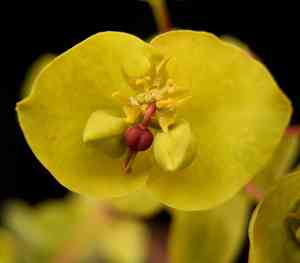
A seaside bush known for its resilience in saline conditions, sea spurge thrives with trimming to preserve its form and stimulate vigorous development. Essential methods include excising lifeless or ailing branches and thinning out thick foliage following blooming. The most effective time for pruning is during spring and summer, coinciding with the plant's natural growth period. Trimming improves air circulation and deters insect infestations, guaranteeing a sturdy sea spurge plant. Exercise care to prevent skin exposure to its sap.
What Are the Benefits of Pruning Sea Spurge?
What Are the Benefits of Pruning Sea Spurge?
Trimming sea spurge promotes robust development by fostering new shoots, leading to a denser, healthier specimen. Strategic cuts also help maintain its desired form and size, enhancing both visual appeal and garden space management.
What Is the Best Time for Pruning Sea Spurge?
What Is the Best Time for Pruning Sea Spurge?
The ideal times for pruning sea spurge are Spring and Summer, as these periods precede and coincide with active growth. Spring pruning allows for the removal of winter damage before new growth emerges, ensuring a healthy start to the plant's growth cycle. A light trim in early Summer can help shape the plant and reduce excess vegetative growth, directing energy towards healthy foliage and maintaining an attractive form. Furthermore, pruning after the main flowering period can encourage more blooms the following year. It's crucial to avoid pruning in late Fall and Winter, as fresh cuts can suffer frost damage, and the plant lacks active growth to heal wounds.
What Tools Do I Need to Prune Sea Spurge?
Bypass Pruners
Perfect for making clean cuts on sea spurge stems without crushing plant tissues, which supports healthier regrowth.
Gloves
Essential for protecting hands from sea spurge's sap, which can cause skin irritation.
Long-sleeved Clothing
Given sea spurge's potentially irritating sap, long-sleeved attire is advised to shield skin during pruning.
Eye Protection
To shield eyes from sea spurge's sap, which can be harmful if it makes contact with the eyes.
How to Prune Sea Spurge
Sanitize
Before starting to prune sea spurge, clean and disinfect all pruning tools. This prevents the spread of diseases and pests among plants.
Identify
Carefully examine sea spurge to pinpoint diseased leaves, withered leaves, and diseased stems that need removal.
Cut Diseased Leaves
Use sharp, sanitized pruners to snip off diseased leaves close to the base without harming healthy tissue. Properly dispose of the removed material to prevent contamination.
Cut Withered Leaves
Remove withered leaves by cutting them at the base of the leaf stalk, ensuring no stubs are left that could decay and attract pests.
Cut Diseased Stems
Trim diseased stems by making clean cuts above a healthy leaf node or bud to stimulate new growth. If the entire stem is affected, cut it back to the plant's base or the nearest healthy branch.
Common Pruning Mistakes with Sea Spurge
Over-pruning
Removing too much foliage from sea spurge, which can stress the plant and increase its susceptibility to disease.
Improper tools
Using dull or dirty pruning tools that can damage plant tissue, leading to a higher risk of infection in sea spurge.
Tearing stems
Tearing or ripping stems instead of making a clean cut, which can harm the plant and hinder its natural healing process.
Neglecting diseased material
Failing to promptly remove diseased or damaged material, which can allow the disease to spread throughout sea spurge.
Pruning without goal
Pruning sea spurge without a clear objective, resulting in a lack of shape or a reduction in the plant's flowering potential.
Common Pruning Tips for Sea Spurge
Clean cuts
Make clean, precise cuts with sharp and sterilized pruning tools to minimize damage and reduce the risk of disease.
Identify nodes
Focus on cutting back to the node to encourage new growth in sea spurge, as this can also help maintain the desired shape.
Thin out
Thin out crowded areas to improve air circulation and light penetration, which is beneficial for the overall health of sea spurge.
Remove dead material
Regularly remove dead or dying foliage and stems, as this encourages sea spurge to direct its energy into producing new, healthy growth.
Pruning for shape
Gently shape sea spurge through selective pruning to encourage a natural and aesthetically pleasing form without compromising the plant’s vigor.



