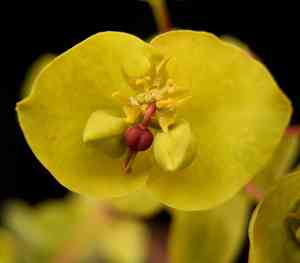
Sea spurge(Euphorbia paralias)

Sea spurge (Euphorbia paralias)

Also known as: Sea Spurge, Euphorbia spurge

Sea spurge (Euphorbia paralias) is a hardy coastal plant with several key features and necessary precautions for care:

### Key Features:
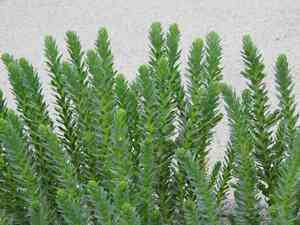
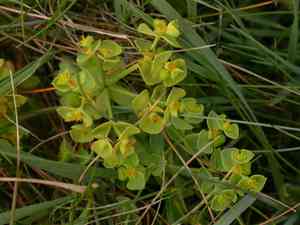
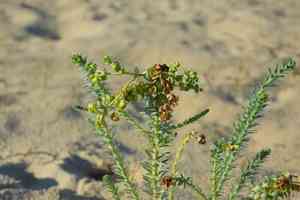
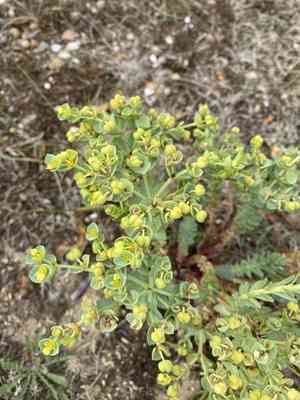
1. **Appearance**: This plant has narrow, fleshy leaves and small, greenish-yellow flowers.
2. **Habitat**: It thrives in sandy coastal regions, such as dunes and beaches.
3. **Growth**: Known for its rapid spread, it can form dense clusters that outcompete native plants.

### Precautions:
1. **Invasiveness**: Regular monitoring and control measures are essential to prevent it from dominating local ecosystems.
2. **Toxicity**: The plant’s milky sap can cause skin irritation and is toxic if ingested. Always wear gloves and protective gear when handling it.
3. **Disposal**: Dispose of plant material carefully to avoid unintentional spreading. Do not compost.

By keeping these points in mind, you can effectively manage sea spurge while protecting both yourself and the environment.

Attributes of Sea spurge

Lifespan
Perennial
Plant Type
Herb
Plant Height
70 cm
Spread
Approximately 1 meter
Leaf Color
Green Blue
Flower Size
1.5 mm
Flower Color
Yellow Green

ForwardPlant - Identify plants with a snap

Identify and diagnose plants, get toxicity alerts, and explore safety guides for all types of fungi.

Try for Free

Images of Sea spurge

Sea spurge(Euphorbia paralias)

Quickly Identify Sea spurge

1
Euphorbia paralias can be identified by its densely leafy stems, small greenish-yellow flowers, and its ability to secrete a milky latex when cut. The plant\'s leaves are linear to narrowly oblong, and it often forms dense clumps.

Scientific Classification of Sea spurge

Phylum
Vascular plants
Class
Dicotyledons
Order
Malpighiales
Family
Spurge
Genus
Spurges
Species
Sea spurge

Planting and Growing of Sea spurge

Care Difficulty
Easy
Watering Schedule
Every 2 days
Sunlight Requirements
Full sun
Sunshine Duration
6-12 hours
Ideal Temperature
60-75℉
Soil Type
Potting Mix, Peat Mix
Soil pH
6.5-7.5
Fertilizer Type
Balanced
Pruning Season
Spring, Summer
Pruning Area
Branches, Leaves
Pruning Frequency
2 times a year
Repotting Season
Spring
Pot Type
Plastic, Terracotta

water icon How to Water Sea spurge?

Euphorbia paralias prefers moderate watering. Ensure the soil is fully moistened but not soggy, using around 250ml of water per session. This ensures the roots gain enough moisture without being waterlogged, maintaining a healthy plant environment.
What are the symptoms of an underwatered Sea spurge? ›
What should I do if my Sea spurge is not getting enough water? ›
What are the symptoms of an overwatered Sea spurge? ›
How to save an overwatered Sea spurge? ›

sunlight icon What Are the Sunlight Requirements for Sea spurge?

Sunlight Requirements: Full sun, Partial sun
Duration of light: 6-8 hours per day
Euphorbia paralias prefers full to partial sun, optimizing its growth and resilience. The appropriate light levels encourage strong, healthy development and can lead to vibrant blooms during the growing season.
How much sunlight does Euphorbia paralias need? ›
Can it tolerate partial shade? ›
What are the benefits of optimal sunlight exposure? ›
More About Sunlight Requirements Techniques→

temperature icon What Is the Ideal Temperature Range for Sea spurge?

Ideal Temperature: 60 ~ 75℉
Euphorbia paralias thrives best at temperatures between 60°F and 75°F. This range allows the plant to perform essential physiological processes efficiently. Maintaining this temperature range ensures optimal growth and development. Consistent monitoring and regulation within this range contribute significantly to a healthier plant lifecycle.

soil icon What Soil is Best for Sea spurge?

Soil type: Sandy soil, Sand soil
Soil PH: 6.5 ~ 7.5
Euphorbia paralias thrives in well-drained soils, allowing excess water to escape easily and preventing root rot. Good drainage ensures roots have access to both water and air, promoting healthy growth. This plant is accustomed to sandy, nutrient-poor environments. A soil low in nutrients encourages Euphorbia paralias to maintain its unique adaptations, avoiding excessive growth that could lead to structural weakness. Minimal organic matter helps mimic the natural coastal habitats of Euphorbia paralias. By replicating these conditions, the plant remains hardy and resilient to drought and poor soil quality.

fertilize icon How to Fertilize Sea spurge?

Fertilizer type: Balanced
Euphorbia paralias requires a balanced fertilization approach. For liquid fertilizers, use a standard 10-10-10 NPK composition at a diluted strength, about half of the recommended label dose. For slow-release fertilizers, small amounts sprinkled around the base are sufficient. Avoid direct contact with the stems to prevent burning.

prune icon How to Prune Sea spurge?

Pruning Time: Spring, Summer, Autumn
Start by identifying any dead, damaged, or diseased stems and remove them at their base. This improves air circulation and reduces the risk of pest infestations, contributing to the plant's vitality. To maintain a pleasing form, trim back any overly long stems. Cut back to a point just above a lateral bud, which will encourage branching and create a fuller appearance. Euphorbia paralias can spread quite vigorously. Prune back the spreading stems to prevent it from overtaking nearby plants, keeping it contained within its designated space. More About Pruning Techniques→

propagate icon How to Propagate Sea spurge plant?

Propagate Time: Spring, Early summer
1
For seed propagation, use a well-draining soil mix. A combination of peat, sand, and perlite works well. Ensure the soil is slightly moist before planting seeds to promote germination.
2
Collect seeds from mature plants in late summer or early autumn. To improve germination rates, soak seeds in water for 24 hours before planting. This helps to crack their hard outer shell.
3
For cutting propagation, choose healthy, non-flowering stems in spring. Cut a 10-15 cm section just below a leaf node. Remove the lower leaves, dip the cut end in rooting hormone, and plant in moist soil.

repot icon How to Repot Sea spurge plant?

Repotting frequency: Every 1-2 years
1
Look for signs like roots poking out of the drainage holes or the plant appearing top-heavy. These indicate that it's time to repot your Euphorbia paralias. Early spring is ideal for repotting, since the plant will soon enter its active growing phase.
2
Choose a pot that's 1-2 inches larger in diameter than the current one. Opt for a container made of porous material like terracotta to improve aeration. This helps in reducing water retention, which is beneficial for a plant like Euphorbia paralias that prefers drier conditions.
3
Select a well-draining, sandy soil mix. This type of soil ensures that excess water drains away quickly, preventing root rot and other water-related issues. Such a medium mimics the natural sandy habitat Euphorbia paralias is accustomed to.

ForwardPlant - Identify plants with a snap

Find the best spots for them to optimize their health, simply using your phone.

Try for Free

Toxicity

Ingestion, Skin contact

Identify toxic plants for your safety

Learn which plants are harmful to you and your pets, and make informed choices for a safer home!

Try for Free
WARNING
The judgment on toxicity and danger is for reference only. We DO NOT GUARANTEE any accuracy of such judgment. Therefore, you SHALL NOT rely on such judgment. It is IMPORTANT TO SEEK PROFESSIONAL ADVICE in advance when necessary.