How to Prune Florida hammock sandmat?
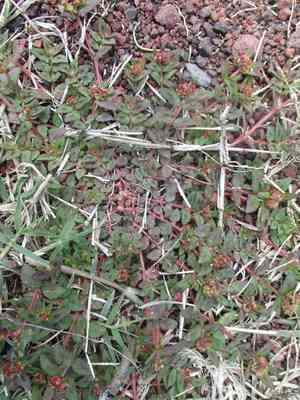
Characterized by its bifurcating stalks and diminutive, lustrous foliage, florida hammock sandmat flourishes with judicious trimming. The most opportune period for pruning is from late winter to early spring, precisely prior to the emergence of new shoots. Concentrate on excising deceased or compromised stems and reducing density in congested zones to improve air movement and light exposure. Consistent pruning fosters more robust development and can incite a greater profusion of blooms. Verify that all incisions are precise and executed directly above a node to facilitate optimal recovery and regeneration.
What Are the Benefits of Pruning Florida Hammock Sandmat?
What Are the Benefits of Pruning Florida Hammock Sandmat?
Trimming Florida hammock sandmat encourages robust development and helps maintain its form. Pruning aids in managing its dimensions, enhancing its overall look, fending off pests and illnesses, and ensuring the plant's healthy progression.
What Is the Best Time for Pruning Florida Hammock Sandmat?
What Is the Best Time for Pruning Florida Hammock Sandmat?
Trimming florida hammock sandmat in early spring or late winter is optimal as this period aligns with the plant's inactive state. During dormancy, pruning causes less strain and allows wounds to mend before the active growth season commences. Pruning just prior to the start of the growth phase stimulates vigorous new growth, lowers disease risk, and can improve the plant's overall structure and vitality. Furthermore, this timing ensures that pruning does not disrupt the plant's blooming cycle, guaranteeing optimal flowering and fruiting periods.
What Tools Do I Need to Prune Florida Hammock Sandmat?
Hand Pruners
Perfect for precise cutting and shaping of small stems and branches. Essential for keeping florida hammock sandmat neatly trimmed.
Pruning Shears
Useful for slightly larger branches and stems. These ensure clean cuts which promote healthier regrowth.
Gloves
Essential to protect hands from the sap of florida hammock sandmat, which can be irritating to the skin.
Disinfectant
Necessary for sterilizing tools to prevent the spread of disease. Clean tools before and after pruning florida hammock sandmat.
How to Prune Florida Hammock Sandmat
Inspection
Carefully examine florida hammock sandmat for any indications of illness or wilting. This assists in identifying which leaves require removal.
Sterilization
Sterilize pruning shears with rubbing alcohol or a bleach solution to prevent the spread of disease.
Diseased Leaf Removal
Cut the diseased leaves at the base where they connect to the main stem. Ensure you make clean cuts to minimize damage to the plant.
Withered Leaf Removal
Trim withered leaves in a similar fashion, cutting at the base to allow for better light penetration and air circulation.
Disposal
Dispose of all pruned material well away from florida hammock sandmat to prevent any potential disease spread. Avoid composting these materials unless you are sure they are free from pathogens.
Common Pruning Mistakes with Florida Hammock Sandmat
Incorrect cutting technique
Using improper tools or making jagged cuts can harm florida hammock sandmat and increase the plant's susceptibility to disease.
Over-pruning
Removing too much foliage at once can stress florida hammock sandmat, hindering its ability to photosynthesize and grow properly.
Pruning at wrong time
Pruning during extreme weather conditions (either too hot or too cold) can damage florida hammock sandmat, leading to poor health or even plant death.
Neglecting safety
Since florida hammock sandmat contains a milky sap that can be irritating, not wearing protective gloves and eyewear can result in skin or eye irritation.
Common Pruning Tips for Florida Hammock Sandmat
Sharp tools
Always use sharp, clean pruning shears to make clean cuts and minimize the risk of infection for florida hammock sandmat.
Moderation
Gradually trim florida hammock sandmat to maintain its shape and encourage airflow, removing no more than one-third of the plant at a time.
Sanitizing tools
Disinfect your pruning tools before and after use to prevent the spread of diseases, especially important for florida hammock sandmat.
Wear protection
Wear gloves and protective eyewear while pruning florida hammock sandmat to avoid contact with its irritating sap.
Focus on damaged parts
Prioritize removing dead, damaged, or diseased branches to promote healthy growth and prevent pests in florida hammock sandmat.
Angled cuts
Make cuts at a slight angle to prevent water from sitting on the cut surface, which helps florida hammock sandmat heal faster and reduces the chance of rot.



