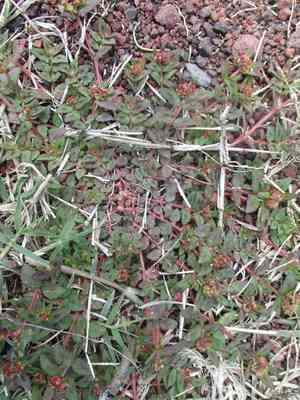
Florida hammock sandmat (Euphorbia ophthalmica)
Also known as: Eyelash Spurge
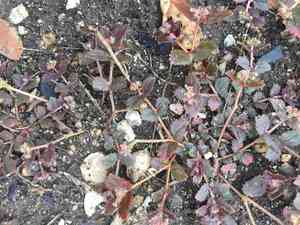
The Florida hammock sandmat, a unique species thriving in arid conditions, has developed specialized water-storing stems that help it survive in dry environments. These green, pencil-like stems highlight the plant's distinctive 'cyathia' or false flowers. The cyathia feature prominent glands that resemble petals, an adaptation designed to attract pollinators in areas where true flowers are scarce.
In This Article
Attributes of Florida hammock sandmat
Lifespan
Perennial
Plant Type
Succulent
Plant Height
20-40 cm
Spread
Not applicable, herbaceous plant
Leaf Color
Green
Flower Size
About 1-2 mm
Flower Color
Yellow-green
Images of Florida hammock sandmat
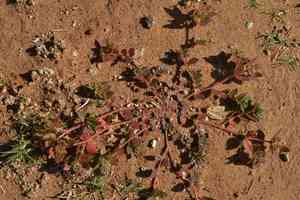
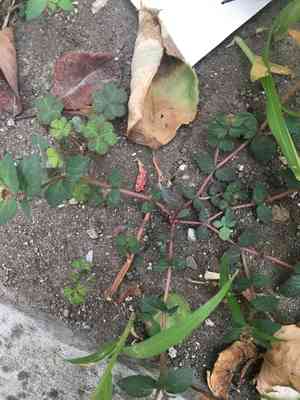
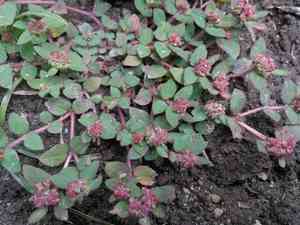
Quickly Identify Florida hammock sandmat
1
It can be identified by its small, simple leaves and tiny, inconspicuous flowers. The plant typically has a milky sap that is characteristic of the Euphorbia genus.
Scientific Classification of Florida hammock sandmat
Phylum
Vascular plants
Class
Dicotyledons
Order
Malpighiales
Family
Spurge
Genus
Spurges
Species
Florida hammock sandmat
Planting and Growing of Florida hammock sandmat
Care Difficulty
Moderate
Watering Schedule
Every 3 days
Sunlight Requirements
Partial sun
Sunshine Duration
4-8 hours
Ideal Temperature
65-75℉
Soil Type
Potting Mix, Peat Mix
Soil pH
6.5-7.5
Fertilizer Type
Balanced
Pruning Season
Spring, Summer
Pruning Area
Branches, Leaves
Pruning Frequency
2 times a year
Repotting Season
Spring
Pot Type
Plastic, Ceramic
 How to Water Florida hammock sandmat?
For Euphorbia ophthalmica, the watering should mimic its natural conditions—arid yet sporadically rejuvenated with moisture. Each watering session should aim for about 100 milliliters, sufficient to cover the root zone without lingering excess. The goal is to moisten the soil without oversaturating, allowing it to dry slightly but not completely between waterings.
What are the symptoms of an underwatered Florida hammock sandmat?
›
What should I do if my Florida hammock sandmat is not getting enough water?
›
What are the symptoms of an overwatered Florida hammock sandmat?
›
How to save an overwatered Florida hammock sandmat?
›
 What Are the Sunlight Requirements for Florida hammock sandmat?
Euphorbia ophthalmica thrives best in partial sun to full sun locations, where it can develop robust leaf structures, improve chlorophyll production, and sustain healthy growth patterns free from pests and diseases.
What is the best way to achieve ideal lighting conditions for Euphorbia ophthalmica?
›
How should you position Euphorbia ophthalmica to ensure it receives ample light?
›
What are the benefits of ensuring Euphorbia ophthalmica receives sufficient light?
›
 What Is the Ideal Temperature Range for Florida hammock sandmat?
Euphorbia ophthalmica thrives in warm conditions between 65°F and 75°F, where it can achieve optimal growth. Maintaining this temperature range ensures that the plant can photosynthesize efficiently and sustain healthy development. The warm environment mimics its native habitat, promoting robust leaf growth and flowering.
 What Soil is Best for Florida hammock sandmat?
Euphorbia ophthalmica thrives in well-draining soils that prevent waterlogging. This characteristic is vital as it helps avoid root rot, promoting healthier root development. The plant shows its best growth potential when soil allows for ample oxygen circulation around the roots. This plant prefers soils with moderate organic matter, which aids in providing essential nutrients. Organic content also helps retain the right amount of moisture, balancing between drying out too quickly and retaining too much water, ensuring a steady nutrient supply. A soil pH ranging from neutral to slightly alkaline is optimal for Euphorbia ophthalmica. This pH range allows for the best nutrient availability and uptake. Maintaining the correct pH can prevent nutrient deficiencies or toxicities that could hinder growth.
 How to Fertilize Florida hammock sandmat?
Euphorbia ophthalmica generally does not require heavy fertilization. A balanced 10-10-10 liquid fertilizer is best applied at half the recommended strength to avoid over-fertilizing. Ensure that the soil is moist before applying any fertilizer to prevent root burn.
 How to Prune Florida hammock sandmat?
Start by inspecting the plant for any dead, damaged, or diseased stems. Remove these by cutting back to healthy tissue, ensuring a clean cut. Cut back stems to maintain the desired shape and size. Remove up to one-third of the plant's volume, following the natural contours to retain its aesthetic appeal. Trim back leggy stems to promote bushier growth. Make cuts above a node or leaf joint to encourage new shoots, ensuring more vigorous foliage.
More About Pruning Techniques→
 How to Propagate Florida hammock sandmat plant?
1
Choose mature and healthy plants free from diseases or pest infestations. Healthy parent plants ensure high success rates in propagation.
2
When taking cuttings, select a healthy stem with no flowers. Cut a 4-6 inch section, making sure to cut just below a node for optimal root growth.
3
Fill the seedling trays with a sterile potting mix, ensuring it is moist but not waterlogged before evenly spreading the seeds over the surface and lightly pressing them into the soil.
 How to Repot Florida hammock sandmat plant?
1
Look for signs such as roots emerging from drainage holes or growth seeming sluggish and stunted. These are signals that your Euphorbia ophthalmica needs more space. Moreover, if the plant looks top-heavy or the soil dries out too quickly, it's time to consider repotting. The best repotting window is during the growing seasons of spring and summer.
2
Opt for a pot that is just a couple of inches larger in diameter than the current one. This ensures room for growth without overwhelming the plant with excess soil, which could retain too much moisture. Choosing a pot with adequate drainage holes is crucial, as Euphorbia ophthalmica prefers dry conditions and can be susceptible to root rot in overly moist environments.
3
A well-draining cactus or succulent mix is ideal for Euphorbia ophthalmica. Such soil typically contains sand, perlite, or pumice, ensuring excess water drains away swiftly while providing an airy environment for the roots. This type of soil mimics their natural habitat, reduces the risk of waterlogged conditions, and promotes healthy root growth.
Toxicity
Ingestion, Skin contact, Eye contact
WARNING
The judgment on toxicity and danger is for reference only. We DO NOT GUARANTEE any accuracy of such judgment. Therefore, you SHALL NOT rely on such judgment. It is IMPORTANT TO SEEK PROFESSIONAL ADVICE in advance when necessary.
Learn More About Florida hammock sandmat Diseases
Anthracnose
Bacterial Leaf Spot
Bacterial Soft Rot
Bacterial Wilt
Black Spot
Chemical Injury
Crown Gall
Damping-off
Downy Mildew
Drought Stress
Fusarium Wilt
Gray Mold
Leaf Curl
Leaf Spot
Mosaic
Nutrient Deficiency
Nutrient Toxicity
Powdery Mildew
Root Rot
Root-knot Nematode
Rusts
Sooty Mold
Spider Mites
Temperature Stress
Thrips Damage
White Mold



