How to Prune Beetle spurge?
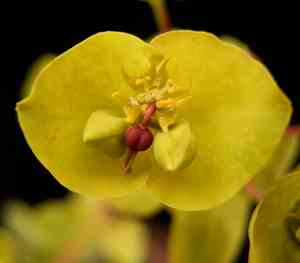
Euphorbia myrsinites exhibits sturdy leaves and aggregated floral clusters. Perform trimming in early spring or late winter prior to the emergence of fresh shoots. Initially, eliminate any deceased or compromised stalks, then shorten excessively long branches to preserve its form and foster a denser habit. Disinfect your implements to avert illness, and contemplate donning protective gloves because the plant's latex can be an irritant. Trimming improves air circulation, diminishes problems with pests, and encourages more vigorous blossoms. Regular yearly pruning guarantees peak development and a lively aesthetic.
What Are the Benefits of Pruning Beetle Spurge?
What Are the Benefits of Pruning Beetle Spurge?
Trimming beetle spurge promotes vigorous growth and helps maintain its desired form, enhancing the plant's overall look and vitality. It also aids in managing its size, encouraging more robust development.
What Is the Best Time for Pruning Beetle Spurge?
What Is the Best Time for Pruning Beetle Spurge?
Pruning or trimming beetle spurge during early spring and late winter is optimal due to the plant's growth cycle and dormant periods. In late winter, beetle spurge is dormant, which minimizes stress and allows wounds to heal quickly before the active growing season. Pruning in early spring ensures new growth will be strong and healthy, capitalizing on the energy surge as the plant exits dormancy. This timing also avoids disrupting flowering or fruiting, preserving the plant's overall health and appearance.
What Tools Do I Need to Prune Beetle Spurge?
Bypass Pruners
Perfect for making precise cuts on small stems and branches of beetle spurge, ensuring minimal harm to the plant.
Long-handled Loppers
Useful for reaching and cutting thicker stems or branches that are inaccessible to hand pruners.
Gloves
Crucial for protecting hands from the sap of beetle spurge, which can irritate the skin.
Disinfectant
Important for cleaning tools between cuts to prevent the spread of any potential diseases.
How to Prune Beetle Spurge
Assess
Examine beetle spurge to identify diseased or withered leaves. Look for signs of discoloration, spots, or dryness.
Tools
Prepare sterilized pruning tools such as sharp scissors or pruning shears to avoid spreading disease.
Remove Diseased Leaves
Carefully cut back any leaves that show signs of disease near their base, avoiding damage to healthy parts of beetle spurge.
Remove Withered Leaves
Trim off any withered or dead leaves, cutting as close to the main stem as possible without harming it.
Dispose
Properly dispose of all trimmed plant material to prevent any potential disease from spreading back to beetle spurge or other plants.
Common Pruning Mistakes with Beetle Spurge
Over-pruning
Excessive removal of stems and leaves can weaken beetle spurge, reducing its ability to photosynthesize and recover adequately.
Improper Tool Use
Using dull or dirty tools can cause ragged cuts and introduce pathogens to beetle spurge, leading to infections or diseases.
Pruning at the Wrong Angle
Cutting stems at improper angles can hinder proper healing and vessel sealing, making beetle spurge susceptible to pests or diseases.
Ignoring Plant Structure
Failing to observe the natural growth pattern of beetle spurge can result in an awkward or less aesthetic form, straying from its natural symmetry.
Common Pruning Tips for Beetle Spurge
Use Sharp and Clean Tools
Always ensure that your pruning tools are sharp and sterilized to make clean cuts and minimize the risk of infection.
Understand Plant Structure
Familiarize yourself with the natural growth habit of beetle spurge before pruning to maintain an aesthetically pleasing shape and promote balanced growth.
Make Clean Cuts
Cut stems at a slight angle to prevent water from collecting on the cut surface, which can cause rot. Ensure cuts are clean to facilitate faster healing.
Remove Dead or Diseased Parts
Promptly remove any dead, damaged, or diseased sections of beetle spurge to prevent the spread of pathogens and improve overall plant health.
Thin Out Crowded Areas
Thin out inner branches to improve air circulation and light penetration within beetle spurge, which helps reduce the risk of fungal infections and promotes vigorous growth.



