
Beetle spurge (Euphorbia eriantha)
Also known as: Woolly Spurge
The Rockrose (Cistus spp.) features a bushy, spreading growth habit adorned with clusters of pale pink flowers, ideal for thriving in dry, rocky environments. Adapted to harsh conditions, this plant conserves water efficiently. Its hardy nature and beautiful blooms make it a perfect choice for drought-tolerant gardens.
In This Article
Attributes of Beetle spurge
Lifespan
Perennial
Plant Type
Succulent
Plant Height
Up to 50 cm (20 inches)
Spread
Approximately 30 cm (12 inches)
Leaf Color
Green
Flower Size
Up to 2 cm (0.8 inches)
Flower Color
Yellow-green
Images of Beetle spurge
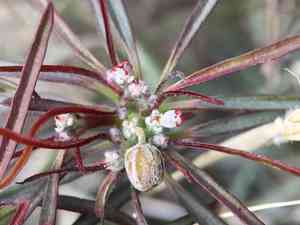
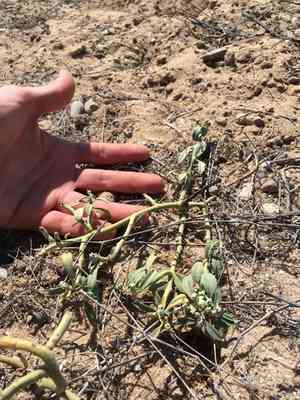
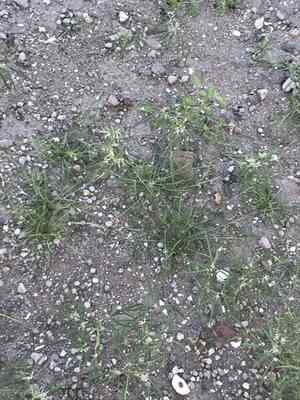
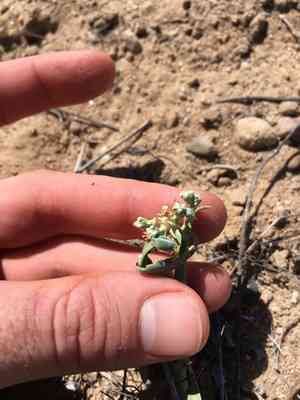
Quickly Identify Beetle spurge
1
Identifying Euphorbia eriantha involves looking for its characteristic woolly stems covered in fine hairs and bright yellow-green flowers. Additionally, it exudes a milky sap when cut, which is typical of many Euphorbias.
Scientific Classification of Beetle spurge
Phylum
Vascular plants
Class
Dicotyledons
Order
Malpighiales
Family
Spurge
Genus
Spurges
Species
Beetle spurge
Planting and Growing of Beetle spurge
Care Difficulty
Moderate
Watering Schedule
Every 2 days
Sunlight Requirements
Full sun
Sunshine Duration
6-10 hours
Ideal Temperature
65-80℉
Soil Type
Potting Mix, Peat Mix
Soil pH
6.5-7.5
Fertilizer Type
Balanced
Pruning Season
Spring, Summer
Pruning Area
Branches, Leaves
Pruning Frequency
2 times a year
Repotting Season
Spring
Pot Type
Plastic, Ceramic
 How to Water Beetle spurge?
Euphorbia eriantha prefers to be watered deeply but infrequently, with approximately 250 milliliters each time. This method allows the soil to dry out completely between waterings, simulating its natural habitat. Water until you notice a slight trickle out of the drainage holes, ensuring the soil is moistened without being waterlogged.
What are the symptoms of an underwatered Beetle spurge?
›
What should I do if my Beetle spurge is not getting enough water?
›
What are the symptoms of an overwatered Beetle spurge?
›
How to save an overwatered Beetle spurge?
›
 What Are the Sunlight Requirements for Beetle spurge?
Full sun to partial sun allows Euphorbia eriantha to thrive, promoting robust health and vibrant foliage. Consistent exposure to appropriate light levels ensures optimal photosynthesis, leading to improved growth and resilience.
What is the ideal sunlight?
›
What are the solutions for ideal light acquisition?
›
What benefits arise from ideal lighting?
›
 What Is the Ideal Temperature Range for Beetle spurge?
The ideal temperature range for growing Euphorbia eriantha lies between 65°F and 80°F. This range is optimal because it simulates the temperate climates where these plants naturally thrive. Maintaining this temperature helps ensure healthy growth and reduces stress, promoting vibrant foliage and successful blooming patterns.
 What Soil is Best for Beetle spurge?
Euphorbia eriantha thrives in well-drained soil to prevent root rot. This condition allows water to flow freely, ensuring that roots receive sufficient oxygen, promoting healthy growth and robust foliage. The plant benefits from soil enriched with organic matter, providing essential nutrients. This nutrient boost enhances its vigor, supports flowering, and increases resilience to environmental stress. Euphorbia eriantha prefers a neutral to slightly alkaline pH. Keeping the pH within the 6.5 to 7.5 range ensures optimal nutrient availability, crucial for maintaining its structural integrity and vibrant appearance.
 How to Fertilize Beetle spurge?
Euphorbia eriantha benefits from a balanced approach to fertilization. Use a half-strength general-purpose liquid fertilizer to avoid overloading the plant’s roots. Apply approximately 1 teaspoon of liquid fertilizer diluted in a gallon of water per plant when using liquid options. For slow-release fertilizers, a light sprinkling around the base of the plant is sufficient for meeting its nutritional needs.
 How to Prune Beetle spurge?
Start by sterilizing your pruning shears to prevent the spread of disease. Use sharp tools to make clean cuts, as ragged cuts can invite pests and infections. Look for stems that are dead, damaged, or diseased. These should be removed first to prevent them from affecting the healthier parts of the plant. Cut them back to the base or to a healthy part of the stem. Trim back overgrown stems to maintain the desired shape of the plant. Focus on symmetrical pruning to ensure even growth. Be cautious not to over-prune as this can stress the plant. Prune during cooler parts of the day to minimize sap flow, which can be more excessive in hot weather. This not only reduces irritation risks but also helps the plant recover more efficiently.
More About Pruning Techniques→
 How to Propagate Beetle spurge plant?
1
Use a well-draining mix appropriate for succulent plants, incorporating sand or perlite to enhance drainage. Ensure that the medium is sterile to prevent diseases.
2
Sprinkle the seeds over the surface of the prepared growing medium and lightly cover them with a thin layer of soil. Keep the soil moist but not soggy to promote germination.
3
Select healthy, non-flowering stems and cut them with a sharp knife. Let the cuttings dry and callus over a few days to minimize the risk of rot before planting them in the growing medium.
 How to Repot Beetle spurge plant?
1
Euphorbia eriantha shows signs that it needs repotting when roots start to grow out of the drainage holes, indicating that it is root-bound. Additionally, if water tends to accumulate on the surface, it's a sign that the soil is compacted and needs fresh substrate. Spring or early summer is ideal, as this period supports better root establishment.
2
Select a pot that is about 1-2 inches wider in diameter than the current one, but not much deeper, to prevent over-watering. The pot should have good drainage holes to allow excess water to escape easily, which helps prevent root rot and keeps the plant's roots healthy. Materials like terracotta are preferred as they aid in moisture regulation.
3
The right soil should mimic Euphorbia's natural environment, so a cacti or succulent mix that ensures excellent drainage is ideal. Mixing in perlite or coarse sand can enhance the drainage capability further, which is essential to prevent water stagnation around the roots and to keep them thriving in the long-term.
Toxicity
ingestion, contact with sap
WARNING
The judgment on toxicity and danger is for reference only. We DO NOT GUARANTEE any accuracy of such judgment. Therefore, you SHALL NOT rely on such judgment. It is IMPORTANT TO SEEK PROFESSIONAL ADVICE in advance when necessary.
Learn More About Beetle spurge Diseases
Anthracnose
Bacterial Leaf Spot
Bacterial Soft Rot
Bacterial Wilt
Crown Gall
Damping-off
Downy Mildew
Drought Stress
Fusarium Wilt
Gray Mold
Leaf Spot
Mosaic
Nutrient Deficiency
Nutrient Toxicity
Powdery Mildew
Root Rot
Root-knot Nematode
Rusts
Sooty Mold
Spider Mites
Temperature Stress
Thrips Damage
White Mold
Chemical Injury



