How to Prune Euphorbia decaryi?
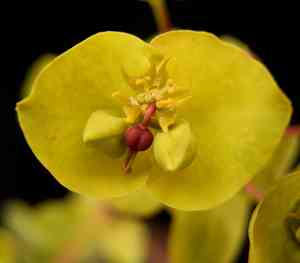
Originating from Madagascar, euphorbia decaryi is a thorny succulent characterized by its spreading limbs and vivid leaves. To trim euphorbia decaryi, eliminate any deceased or compromised stalks to preserve its form and stimulate robust development. Perform pruning in late winter or early spring prior to the emergence of new growth, utilizing sanitized, keen implements for accurate incisions. Refrain from excessive pruning, as this can cause strain to the plant. Trimming benefits euphorbia decaryi by averting decay and fostering air movement, which is crucial for its succulent characteristics.
What Are the Benefits of Pruning Euphorbia Decaryi?
What Are the Benefits of Pruning Euphorbia Decaryi?
Trimming euphorbia decaryi promotes more robust growth by reallocating energy to new, healthy shoots. It also helps maintain its desired form and size, ensuring the plant remains attractive and manageable.
What Is the Best Time for Pruning Euphorbia Decaryi?
What Is the Best Time for Pruning Euphorbia Decaryi?
Late winter and early spring are ideal for pruning euphorbia decaryi as these periods precede its active growth phase. This timing allows euphorbia decaryi to recover swiftly and direct energy into new development. Furthermore, pruning during dormancy or its conclusion minimizes plant stress. Removing old or dead growth at this time ensures euphorbia decaryi has resources for blooming and healthy foliage, boosting its overall vigor and look.
What Tools Do I Need to Prune Euphorbia Decaryi?
Precision Pruners or Scissors
Euphorbia decaryi is a succulent with delicate stems, potentially requiring precise cuts to avoid harm. Precision pruners or sharp scissors offer the accuracy needed for trimming slender stems without damaging the plant's structure.
Gloves
Since euphorbia decaryi secretes a white latex that can irritate skin during pruning, wearing gloves is crucial to protect your hands throughout the process.
Alcohol Wipes or Disinfectant
To prevent disease transmission between plants, tools should be cleaned with alcohol wipes or a disinfectant both before and after pruning euphorbia decaryi. Succulents are particularly vulnerable to infections through open wounds.
How to Prune Euphorbia Decaryi
Disinfect Tools
Before beginning to prune euphorbia decaryi, ensure all pruning implements are thoroughly disinfected to prevent disease spread. Use a solution of one part bleach to nine parts water to soak tools for about 30 minutes, then rinse with clean water and dry completely.
Identify Areas
Examine euphorbia decaryi to locate diseased or withered leaves that require removal. Look for any discoloration, spots, or signs of decay indicating an unhealthy leaf.
Sterilize Cutting Area
When ready to prune diseased and withered leaves, sterilize the immediate area around euphorbia decaryi with a fungicide spray to prevent the spread of airborne pathogens.
Make Precise Cuts
Using your disinfected pruning shears, make accurate cuts to remove diseased and withered leaves. Cut close to the leaf's base, but avoid harming the stem or adjacent healthy leaves. Ensure your cuts are clean and smooth to help euphorbia decaryi heal faster.
Dispose Diseased Material
Immediately discard diseased and withered leaves in a sealed bag to prevent pathogen spread. Do not compost infected plant material as this may contaminate your compost with the disease.
Common Pruning Mistakes with Euphorbia Decaryi
Over-Pruning
Avoid removing too much foliage at once, which can stress euphorbia decaryi and hinder its ability to recover and flourish.
Improper Cuts
Incorrect cutting can damage the main stems of euphorbia decaryi, potentially leading to disease or pest infestation.
Using Unsterilized Tools
Pruning with tools that are not clean and sterilized can introduce pathogens to euphorbia decaryi, endangering its health.
Pruning Without Gloves
Euphorbia decaryi's sap is irritating to the skin; neglecting to wear gloves can result in skin irritation or allergic reactions.
Ignoring Plant Structure
Failing to consider the natural growth pattern of euphorbia decaryi can result in an imbalanced appearance and reduced vitality.
Common Pruning Tips for Euphorbia Decaryi
Sterilize Tools
Always use clean and sterilized pruning tools to prevent the spread of disease to euphorbia decaryi.
Wear Protective Gear
Make sure to wear gloves, and long sleeves when pruning euphorbia decaryi to protect your skin from its irritating sap.
Prune For Shape
Lightly prune euphorbia decaryi to maintain the desired shape and remove any overcrowded or crisscrossing branches to improve sunlight penetration and air circulation.
Clean Cuts
Make sharp, clean cuts on euphorbia decaryi to encourage quick healing and reduce the chance of disease entry.
Remove Dead Material
Regularly remove dead or dying foliage from euphorbia decaryi to promote healthy growth and enhance the plant's overall appearance.



