How to Prune Chinese caps?
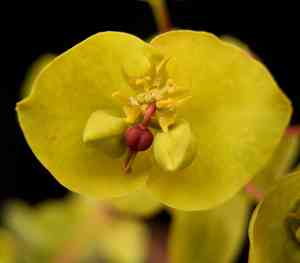
Chinese caps, recognized for its distinctive foliage and restrained growth pattern, thrives with judicious trimming. Perform this task in the initial part of spring or the latter portion of winter. Eliminate any lifeless or ailing branches to preserve the plant's well-being and foster fresh development. Shorten elongated stems to manage dimensions and form. Trimming encourages more abundant blooms and can enhance the plant's general aesthetic. Always employ sanitized, keen implements to avert pathogen dissemination and facilitate rapid recovery.
Advantages of Trimming Chinese Caps
Advantages of Trimming Chinese Caps
Trimming chinese caps promotes vigorous development and helps maintain its form. It encourages healthier growth, boosts blooming, manages plant size, enhances appearance, and strengthens resistance to pests and diseases.
Optimal Period for Pruning Chinese Caps
Optimal Period for Pruning Chinese Caps
Pruning chinese caps in late winter or early spring is ideal as it coincides with the plant's dormant phase, reducing stress and stimulating robust growth. During this time, the plant's energy is conserved, making it more resilient to the pruning process. Furthermore, pruning before the growth season begins allows for healthier new shoots and improved flowering later in the spring. These seasons avoid peak growth and flowering periods, ensuring the plant develops strongly without disrupting its natural cycle.
Tools Required for Pruning Chinese Caps
Bypass Pruners
Perfect for precise cuts, crucial for managing the distinct growth habit of chinese caps.
Long-handled Loppers
Useful for reaching and severing thicker stems without harming the plant.
Pruning Saws
Necessary for any older, more substantial stems that demand greater effort to cut through.
Gloves
Essential for safeguarding hands from the plant's milky sap, which can cause skin irritation.
Sterilizing Solution
Important for sanitizing tools before and after use to prevent the spread of disease.
How to Prune Chinese Caps
Identify issues
Carefully examine chinese caps to pinpoint any diseased or withered leaves. Look for discoloration, wilting, or other indications of damage.
Prepare tools
Sanitize pruning shears or scissors with rubbing alcohol or a bleach solution to prevent the transmission of disease.
Trim diseased leaves
Using clean, sharp pruning tools, remove any diseased leaves. Cut as close to the base of the leaf as possible without harming the main stem or healthy foliage.
Remove withered leaves
Carefully take off any withered or dry leaves. Similar to trimming diseased leaves, make clean cuts near the base of the leaf.
Dispose trimmed parts
Discard removed leaves in a manner that prevents the spread of disease. Do not compost diseased plant material; instead, bag and dispose of them.
Common Pruning Errors with Chinese Caps
Excessive pruning
Removing too much foliage can stress the plant and hinder its growth. It's vital to leave enough leaves for photosynthesis.
Incorrect cutting technique
Using dull or unsuitable tools can crush the stems, making the plant vulnerable to diseases.
Pruning at wrong time
Although the optimal season for pruning is excluded, pruning outside recommended periods can negatively impact chinese caps's flowering and overall health.
Removing old growth incorrectly
Failing to identify and properly cut old or dead growth can prevent new, healthy growth from emerging.
General Pruning Advice for Chinese Caps
Use sharp, clean tools
Ensure your pruning shears or scissors are sharp and sterilized to make clean cuts, minimizing the risk of introducing diseases.
Prune for shape
Focus on maintaining a balanced shape by trimming excessive growth uniformly around the plant to encourage an aesthetically pleasing form and even growth.
Remove dead or diseased wood
Prioritize cutting out any dead, damaged, or diseased stems to promote healthy growth and prevent the spread of illness within the plant.
Cut above leaf nodes
Make cuts just above a leaf node or bud, which can encourage branching and create a fuller plant.


