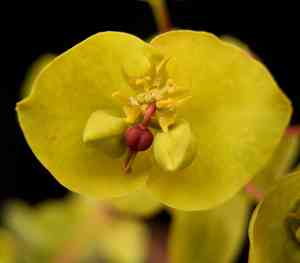
Chinese caps (Euphorbia crenulata)
Also known as: Coastal Sandmat
Chinese caps (Holmskioldia sanguinea) stand out due to their vibrant, cup-shaped bracts, typically in shades of red or orange, which give them the appearance of miniature Chinese hats. The plant features arching branches adorned with dark green, ovate leaves.
This species prefers tropical and subtropical environments, flourishing in well-drained soils and benefiting from full sun to partial shade. It is commonly cultivated in gardens, used as hedge plants, or climbing on trellises and fences in warmer climates.
In This Article
Attributes of Chinese caps
Lifespan
Perennial
Plant Type
Herb, Succulent
Plant Height
30 cm to 91 cm
Spread
30-50 cm
Leaf Color
Green
Flower Size
1-1.5 mm
Flower Color
Green to yellow
Images of Chinese caps
Quickly Identify Chinese caps
1
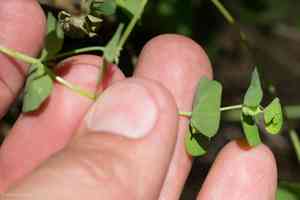
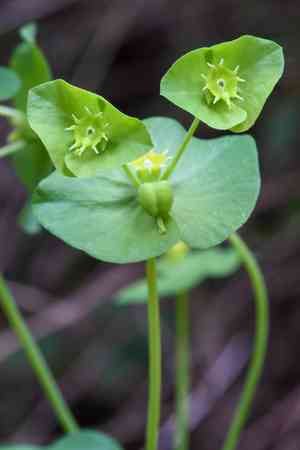
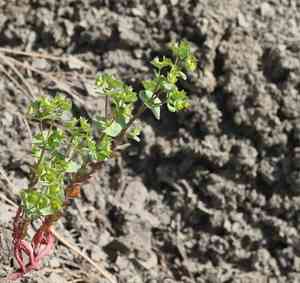
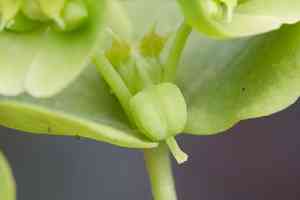
To identify Euphorbia crenulata, look for its small, greenish leaves with scalloped edges and its tiny, inconspicuous flowers. The plant\'s low, spreading growth form and milky sap are also key identification markers.
Scientific Classification of Chinese caps
Phylum
Vascular plants
Class
Dicotyledons
Order
Malpighiales
Family
Spurge
Genus
Spurges
Species
Chinese caps
Planting and Growing of Chinese caps
Care Difficulty
Moderate
Watering Schedule
Every 2 days
Sunlight Requirements
Partial sun
Sunshine Duration
6-10 hours
Ideal Temperature
60-75℉
Soil Type
Potting Mix, Peat Mix
Soil pH
6.5-7.5
Fertilizer Type
Balanced
Pruning Season
Spring, Summer
Pruning Area
Branches, Leaves
Pruning Frequency
2 times a year
Repotting Season
Spring
Pot Type
Plastic, Ceramic
 How to Water Chinese caps?
Euphorbia crenulata requires a moderate watering approach, ensuring the soil is thoroughly moistened. A general principle is to water until it begins to drain from the bottom of the pot, approximately 200 ml of water per session, ensuring that excess water does not accumulate in the saucer.
What are the symptoms of an underwatered Chinese caps?
›
What should I do if my Chinese caps is not getting enough water?
›
What are the symptoms of an overwatered Chinese caps?
›
How to save an overwatered Chinese caps?
›
 What Are the Sunlight Requirements for Chinese caps?
Euphorbia crenulata ideally prefers partial to full sun, which ensures enhanced photosynthesis, strong growth, and resilience against environmental stresses.
What is the best location for Euphorbia crenulata?
›
How can I ensure optimal sunlight for Euphorbia crenulata indoors?
›
What benefits does Euphorbia crenulata gain from ideal lighting conditions?
›
 What Is the Ideal Temperature Range for Chinese caps?
The ideal temperature range for Euphorbia crenulata is between 60°F and 75°F. This temperature range allows the plant to efficiently carry out photosynthesis and maintain optimal growth and development. Maintaining this range helps in ensuring vibrant foliage and healthy growth.
 What Soil is Best for Chinese caps?
Euphorbia crenulata thrives in well-draining soil, which prevents waterlogging and root rot. This allows oxygen to reach the roots and supports healthy growth. The plant benefits from soil enriched with organic matter. This promotes vigorous growth by supplying essential nutrients and improves soil structure. Soil that retains moderate moisture helps maintain a consistent water supply without drowning the roots. This balance is essential for optimal growth and health.
 How to Fertilize Chinese caps?
For Euphorbia crenulata, apply liquid fertilizer at half the recommended strength to avoid nutrient burn. Each application should provide around 1/4 teaspoon of diluted liquid fertilizer per gallon of water used, ensuring even distribution across the soil.
 How to Prune Chinese caps?
Begin by identifying any dead or damaged branches and remove them cleanly. Focus on shaping the plant by cutting back branches that disrupt the overall form. Make cuts just above a healthy bud to promote fresh growth. Remember to step back occasionally to evaluate the shape and density of the plant. Finish by inspecting for any remaining irregularities that need correction.
More About Pruning Techniques→
 How to Propagate Chinese caps plant?
1
Begin with fresh seeds for higher germination rates. Sow seeds in a well-draining potting mix, covering them lightly with soil. Maintain consistent moisture by misting the soil surface and keep trays under indirect sunlight or grow lights.
2
Select a healthy stem from your Euphorbia crenulata. Cut a 4 to 6-inch section using pruning shears. Strip the leaves from the lower half of the cutting to prevent decay when planted.
3
Dip the cut end of each cutting into a rooting hormone to enhance root growth. Plant the cuttings in a prepared container with a potting mix, ensuring they are upright and stable.
 How to Repot Chinese caps plant?
1
Euphorbia crenulata should be repotted when you see roots emerging from the pot's drainage holes or when the plant seems to have outgrown its container. These are clear indicators that the plant needs more space to thrive. The ideal time to repot is during the growing seasons of spring and autumn, when the plant can quickly recover from any root disturbance.
2
Select a pot that is only slightly larger than the current one to prevent overwatering. A pot with drainage holes is crucial as it allows excess water to escape, preventing root rot. A terracotta pot is a good choice as it helps to absorb moisture and provides stability for the plant, which is important for succulents like Euphorbia crenulata.
3
Use a well-draining cactus mix for repotting Euphorbia crenulata. This type of soil ensures that water does not accumulate around the roots, which could cause rot. Adding some pumice or perlite to the mix can improve drainage further, making the growing environment more akin to the plant's natural habitat.
Toxicity
Ingestion, Skin Contact
WARNING
The judgment on toxicity and danger is for reference only. We DO NOT GUARANTEE any accuracy of such judgment. Therefore, you SHALL NOT rely on such judgment. It is IMPORTANT TO SEEK PROFESSIONAL ADVICE in advance when necessary.
Learn More About Chinese caps Diseases
Anthracnose
Bacterial Leaf Spot
Bacterial Soft Rot
Bacterial Wilt
Black Spot
Chemical Injury
Crown Gall
Cyst Nematode
Damping-off
Downy Mildew
Drought Stress
Fusarium Wilt
Gray Mold
Leaf Curl
Leaf Spot
Mosaic
Nutrient Deficiency
Nutrient Toxicity
Powdery Mildew
Root Rot
Root-knot Nematode
Rusts
Sooty Mold
Spider Mites
Temperature Stress
Thrips Damage
White Mold


