How to Prune Heartleaf sandmat?
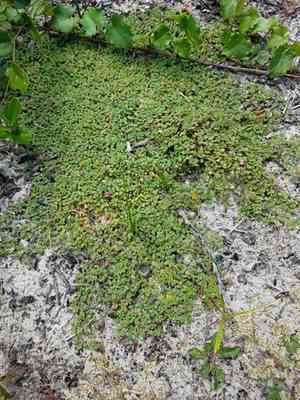
Heartleaf sandmat, recognized for its characteristic heart-shaped foliage, greatly thrives with deliberate trimming. Essential methods involve excising deceased or ailing limbs and fostering denser development by shortening elongated stalks. The most suitable times for trimming are late winter and early spring, coinciding with heartleaf sandmat's inactive and nascent growth stages. This schedule aids in averting strain and stimulates robust expansion. Consistent trimming improves general well-being and aesthetic appeal, guaranteeing a sturdy and appealing specimen.
What Are the Benefits of Pruning Heartleaf Sandmat?
What Are the Benefits of Pruning Heartleaf Sandmat?
Heartleaf sandmat thrives with trimming to encourage robust development and maintain its form. Pruning fosters vigorous growth, enhances air circulation, boosts resistance to pests and diseases, and preserves an appealing shape. Implementing these practices will result in a healthier, more attractive plant.
What Is the Best Time for Pruning Heartleaf Sandmat?
What Is the Best Time for Pruning Heartleaf Sandmat?
Trimming heartleaf sandmat in late winter or early spring is optimal as this period aligns with its dormant or minimal growth phase. Pruning during dormancy minimizes plant stress and potential harm. Furthermore, heartleaf sandmat will have ample time to recover and grow vigorously once the active growing season commences. Pruning at this time also aids in shaping the plant and promoting healthy development, ensuring improved flowering or fruiting in the upcoming season.
What Tools Do I Need to Prune Heartleaf Sandmat?
Hand Pruners
Perfect for snipping small branches and stems, crucial for shaping heartleaf sandmat and eliminating dead or damaged growth.
Bypass Pruners
Useful for making precise cuts on living branches, preventing harm and ensuring healthy regrowth.
Pruning Shears
Essential for accurate cuts, particularly helpful for maintaining the shape and size of heartleaf sandmat.
Gloves
Protect hands from the plant's sap and any sharp edges during trimming.
How to Prune Heartleaf Sandmat
Identify
Closely inspect heartleaf sandmat for any diseased or withered foliage. Diseased leaves often appear discolored or spotted, while withered leaves will be shriveled and dry.
Prepare
Gather necessary tools such as clean, sharp pruning shears or scissors. Sanitize tools with rubbing alcohol to prevent disease transmission.
Trim diseased
Carefully remove any diseased leaves. Make the cut at the base of the leaf stem, where it meets the main stem, ensuring a clean cut to encourage healthy regrowth.
Trim withered
Remove withered leaves by trimming them close to the stem. Avoid tearing leaves off as this can harm the plant.
Dispose
Properly discard all trimmed parts, especially diseased material, to prevent contamination of other plants. Clean and disinfect tools again after use.
Common Pruning Mistakes with Heartleaf Sandmat
Over-pruning
Removing too much foliage at once can stress the plant, reducing its ability to photosynthesize and ultimately hindering its growth.
Incorrect technique
Using dull or dirty tools can cause damage to the stems, leading to potential infections or diseases.
Improper cutting angles
Cutting at the wrong angle can leave the plant vulnerable to water accumulation and subsequent rot.
Ignoring dead or diseased parts
Failing to remove old or diseased stems can jeopardize the health of the entire plant.
Common Pruning Tips for Heartleaf Sandmat
Use clean and sharp tools
Always ensure your pruning shears or scissors are properly sanitized and sharpened to make clean cuts.
Make angled cuts
Angled cuts prevent water from pooling on the cut surface, reducing the risk of rot.
Remove dead or diseased wood
Regularly check for and prune away any dead or diseased parts to maintain overall plant health.
Prune selectively
Focus on removing only the necessary parts, such as older stems or those that are crossing over and crowding others, to encourage better air circulation and light penetration.


