How to Prune Candelabra tree?
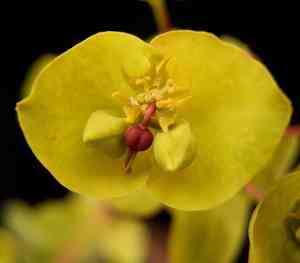
Perfect for artistic garden designs, the candelabra tree requires essential trimming to preserve its distinctive shape. Perform pruning in late winter or early spring, while the plant is inactive, to sculpt and eliminate any impaired or infected branches. Reducing crowded sections improves light access and airflow, fostering robust development. Always employ sanitized, keen implements for accurate incisions, averting contamination and facilitating rapid healing. Trimming the candelabra tree not only improves its aesthetic but also stimulates fresh growth, guaranteeing its renowned outline persists.
What Are the Benefits of Pruning Candelabra Tree?
What Are the Benefits of Pruning Candelabra Tree?
Trimming candelabra tree promotes robust development and helps preserve its desired form, crucial for its structural soundness and visual appeal, while also potentially lowering disease risk.
What Is the Best Time for Pruning Candelabra Tree?
What Is the Best Time for Pruning Candelabra Tree?
Trimming candelabra tree in late winter to early spring is optimal as it coincides with the end of the plant's dormant phase, just before the start of the growing season. This timing ensures rapid wound healing with the flush of new growth, thereby minimizing stress to the plant. During this period, the likelihood of disease or pests exploiting pruning cuts is reduced due to lower pathogen activity. Pruning before new growth allows gardeners to shape the tree without impacting the current season's flowers or fruits, as candelabra tree's blooming typically occurs later in spring or early summer. By performing pruning at this time, gardeners can also more easily identify which branches to remove since the foliage is not fully developed, providing clear visibility and accessibility.
What Tools Do I Need to Prune Candelabra Tree?
Gloves
Safeguard against candelabra tree's latex, which can cause skin irritation.
Pruning saw
For cutting thicker, woody branches of candelabra tree.
Bypass pruners
For making clean cuts on smaller, green stems without crushing them.
Loppers
For branches that are too thick for pruners but can be cumbersome for a saw.
Pole pruner
To reach high branches without the use of a ladder.
Safety glasses
To protect eyes from potential sap splashes or falling debris during pruning.
How to Prune Candelabra Tree
Preparation
Wear protective clothing including gloves and eye protection, due to the toxic sap of candelabra tree. Assemble tools such as sharp pruning shears, loppers, and a saw for thicker branches.
Sanitization
Sterilize all pruning tools with isopropyl alcohol or a bleach solution to prevent the spread of disease while trimming candelabra tree.
Dead Branches
Remove dead branches by cutting at the base where they meet healthy wood, ensuring clean cuts that avoid tearing the bark of candelabra tree.
Diseased Branches
Identify and prune diseased branches, cutting well below the affected area to ensure all parts of the disease are removed from candelabra tree.
Cleanup
Dispose of all removed material responsibly to prevent the spread of any potential disease and to avoid contact with the toxic sap of candelabra tree. Clean and re-sanitize all tools.
Common Pruning Mistakes with Candelabra Tree
Over-Pruning
Removing too much foliage at once can stress candelabra tree and stunt its growth. It is essential to prune no more than one-third of the plant at a time.
Improper Cut Location
Cutting too close to the trunk or leaving too long a stub can result in poor healing and disease entry points. Instead, make cuts just above leaf nodes or branching points.
Using Dull Tools
Dull pruning tools can damage candelabra tree's tissue, leading to jagged cuts that invite pests and diseases. Always use sharp, clean pruning tools for clean cuts.
Tearing Bark
Incorrect pruning technique can result in the bark tearing, which can harm candelabra tree's health. When removing larger branches, use the three-cut method to prevent bark tearing.
Ignoring Plant Shape
Pruning without considering the natural shape of candelabra tree can result in a less aesthetic and healthy plant. Aim to maintain the plantâs natural form while pruning.
Pruning Blind
Random or indiscriminate cuts without assessing the plant's overall structure can lead to an unhealthy and unsightly appearance. Take time to plan your pruning approach.
Common Pruning Tips for Candelabra Tree
Cleanliness
Before and after pruning candelabra tree, clean your tools with a disinfectant to prevent the spread of diseases.
Selective Thinning
Thin out the canopy by selectively removing branches to increase light penetration and air circulation, which will benefit candelabra tree's health and vigor.
Consider Branch Size
Focus on removing smaller branches and suckers that detract from candelabra tree's structure. Large, established branches should typically be left intact unless they are dead or diseased.
Protecting Sap
Candelabra tree contains a sap that can be irritating to skin and eyes. Wear protective clothing, gloves, and eye protection when pruning.
Healing Time
Prune candelabra tree during a time when it can heal quickly, avoiding periods when pests and diseases are prevalent.
Monitoring
After pruning candelabra tree, monitor the plant's response. Good care, including watering and fertilizing, will support its recovery and growth post-pruning.



