How to Prune Limestone sandmat?
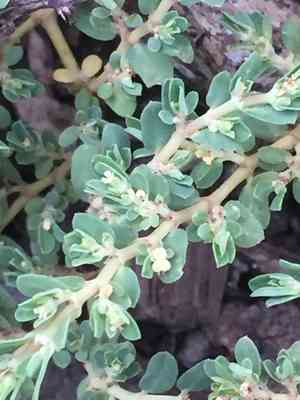
Limestone sandmat, recognized for its resilience in stony and gritty substrates, thrives with minimal trimming to preserve its form and stimulate robust development. The ideal period for this maintenance is from late winter to early spring, coinciding with its natural growth phase. Concentrate on excising deceased or compromised stalks and shortening excessively long sections. Trimming improves air movement and fosters more abundant flowering. Consistent pruning aids in sustaining the plant's dense structure and averts sparse growth, guaranteeing a vibrant and appealing presentation.
What Are the Benefits of Pruning Limestone Sandmat?
What Are the Benefits of Pruning Limestone Sandmat?
Limestone sandmat thrives with pruning, promoting vigorous growth and shape retention. This encourages healthy development, manages size, and enhances appearance while boosting pest and disease resistance. Regular trimming ensures a robust plant, capable of flourishing in diverse conditions.
What Is the Best Time for Pruning Limestone Sandmat?
What Is the Best Time for Pruning Limestone Sandmat?
Trimming limestone sandmat in early spring or late winter is ideal, coinciding with its dormant phase. This minimizes stress and encourages strong growth as the season begins. These periods are also perfect because they precede active growth and flowering, allowing limestone sandmat to reallocate energy to new, healthy growth and a vibrant display. Pruning at these times improves airflow, reduces disease risk, and shapes the plant effectively without disrupting its natural cycle.
What Tools Do I Need to Prune Limestone Sandmat?
Bypass pruners
Bypass pruners are perfect for precise cuts on small stems and branches. These tools ensure clean cuts, reducing the chance of plant damage or disease.
Pruning snips
Pruning snips are suitable for delicate trimming and deadheading. They offer the control and accuracy needed for the finer branches of limestone sandmat.
Gloves
Wearing gloves is crucial when handling limestone sandmat, as they protect hands from any potential irritants in the plant's sap.
How to Prune Limestone Sandmat
Inspect
Carefully examine limestone sandmat to pinpoint diseased or withered leaves requiring removal. Look for signs of discoloration, wilting, or pests.
Disinfect
Clean your pruning tools with a 70% isopropyl alcohol solution to prevent disease spread to other parts of limestone sandmat.
Remove diseased
Use sharp, sterilized pruning shears to cut off diseased leaves at their base. Ensure clean cuts to avoid harming healthy tissue.
Remove withered
Trim away withered leaves with the same clean, sharp pruning shears, cutting as close to the base as possible without damaging healthy parts of limestone sandmat.
Dispose
Discard all removed plant material in the trash, not compost, to prevent disease spread. Clean tools again after pruning for hygiene.
Common Pruning Mistakes with Limestone Sandmat
Over-pruning
A frequent error is removing too much foliage at once. This can stress the plant and hinder photosynthesis, leading to stunted growth or even death.
Improper cutting technique
Some gardeners use dull or dirty tools, which can cause jagged cuts and invite disease. Always use sharp, clean tools for pruning.
Pruning at the wrong time
While specific timing isn't provided here, it's vital to note that pruning during an incorrect growth stage can impede flowering or shock limestone sandmat.
Not sanitizing tools
Failing to sanitize pruning tools between cuts can spread diseases. This is especially critical for limestone sandmat, which can be prone to infections.
Common Pruning Tips for Limestone Sandmat
Use sharp tools
Ensure your pruning shears or scissors are sharp and clean to make precise cuts and avoid damaging the plant.
Sanitize tools
Always disinfect pruning tools with alcohol or a bleach solution before and after use to prevent disease transmission.
Make clean cuts
Prune just above a leaf node and angled away from the bud to facilitate better healing and growth.
Assess the plant
Before you begin, take a moment to observe limestone sandmat and identify dead, damaged, or diseased branches that need removal first.
Thin out overcrowded areas
Remove any branches that overcrowd the plant to improve air circulation and light penetration, which helps limestone sandmat thrive.
Remove dead and dying branches
Focus on cutting away the dead, diseased, or damaged parts of limestone sandmat to maintain its overall health.


